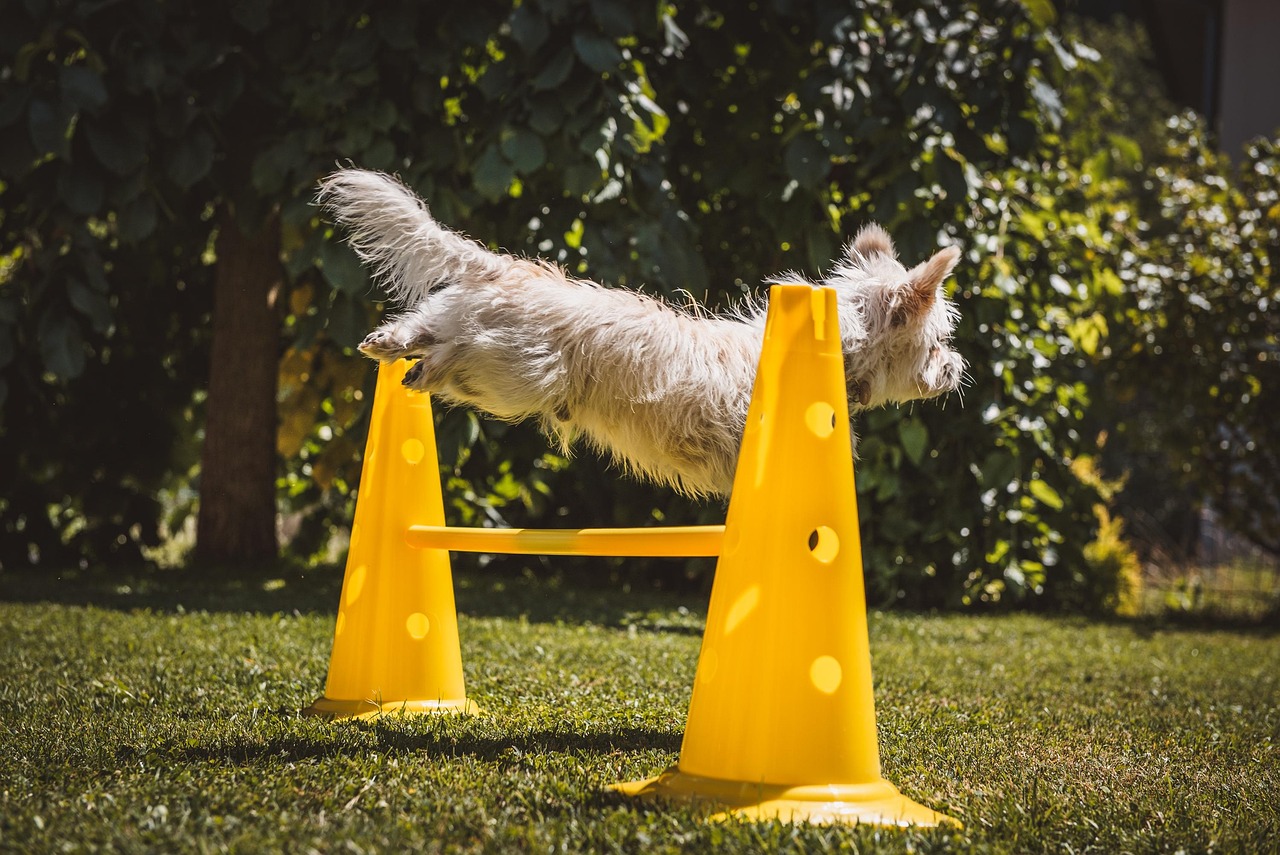

Integrating Agility Equipment into Dog Training Video Programs
When incorporating agility equipment into dog training video programs, understanding the fundamentals is vital. Agility training significantly enhances the bond between dog and handler, fostering trust and better communication. Using equitably designed videos, trainers can demonstrate the correct techniques and setups for diverse agility courses. Critical aspects include safety protocols, ensuring the equipment is suitable for the dog’s size and skill level. Proper introductions to agility equipment like tunnels, jumps, and weave poles can benefit dogs of all ages. For newcomers, beginning with simple exercises, such as guiding the dog through a tunnel or encouraging them over low jumps, fosters a seamless experience. Additionally, trainers can showcase various training methods, such as positive reinforcement, to accelerate learning. A well-structured video can include different sections focusing on individual obstacles or skill progression. Highlighting common pitfalls and how to overcome them enhances the educational value of these videos. Moreover, engaging visuals of successful dog and handler teams will inspire viewers, making agility training more accessible and appealing. Properly integrating these elements ensures a comprehensive training experience that resonates with dog owners looking to advance their canine companions’ agility skills.
Building a strong foundation in agility training is essential before progressing to complex courses. Trainers should emphasize the importance of basic obedience commands, as a well-trained dog will perform better in agility settings. Enlisting experienced handlers to showcase proper techniques in videos helps demystify the training process. Videos should cover crucial elements such as the art of motivation, building a dog’s confidence, and using location effectively. Ahighly effective technique involves associating agility equipment with enjoyable experiences for the dog. Demonstrating various types of equipment requires clarity on safety features, including sturdy construction and weight limits. When filming training sessions, slow-motion segments can highlight critical moments, allowing viewers to analyze the dog’s movements closely. Adding voiceovers can provide real-time feedback, which can be invaluable for learners. Furthermore, sharing tips on maintaining agility equipment can prolong its lifespan. As we create these informative video tutorials, focusing on audience engagement is essential, prompting viewers to ask questions or share their experiences. Integrating agility training into dog training programs not only benefits the dogs but also creates a supportive community among dog enthusiasts.Educators play a crucial role in maximizing the overall impact of the video series.
Structuring video content related to agility training must include clear expectations for both dogs and owners. Utilizing a gradual onboarding process allows dogs to acclimate to equipment while boosting their excitement. Early segments of the video should identify equipment types, providing an overview of their purpose in canine agility. Incorporators should include success stories showcasing various breeds transitioning into more advanced maneuvers. Incorporating user-generated content captures the genuine joy and satisfaction that handlers share with their dogs. These segments can be motivational, reassuring viewers that patience and perseverance yield desirable results. Incorporating visual aids, such as infographics, enhances understanding while minimizing confusion. Additionally, text overlays can highlight key points, allowing viewers to follow along easily during practice sessions. Addressing frequently asked questions can also prove effective in clarifying common misconceptions about agility training. Especially for first-time owners, these sections build their confidence, encouraging them to actively participate in their dog’s training journey. Given the visual nature of video courses, layering high-quality visuals and practical advice fosters a comprehensive learning environment. In-depth explorations will ultimately inspire viewers to embark on exciting agility adventures with their canine companions.
Benefits of Including Agility Equipment in Training
Integrating agility equipment into training reinforces essential skills and builds physical proficiency for dogs. Agility courses help stimulate their mental capabilities while promoting physical fitness. Regular participation encourages dogs to remain active, combating issues like obesity and boredom. Furthermore, agility training can improve each dog’s confidence, showcasing their capabilities and teaching them to overcome various obstacles. Handlers can also benefit from these training routines. As they practice patience and develop relationships with their dogs, better communication emerges. Engaging with a community of fellow trainers strengthens connections and knowledge-sharing among enthusiasts. Sharing experiences through video platforms can pave the way for collaboration and growth within the agility training community. Community-driven training events often include competitions, which can increase motivation for both dogs and handlers. Incorporating a range of equipment pushes the dog’s boundaries and enhances their learning curve. Moreover, showcasing varied training techniques, such as game-based learning, can facilitate an engaging experience for both dogs and owners. Highlighting these benefits not only fosters excitement but also validates the importance of consistent practice in developing a well-rounded canine athlete.
Capturing high-quality footage during training sessions ensures that viewers can clearly observe techniques and methods demonstrated. Selecting the appropriate filming techniques, angles, and lighting can greatly enhance the clarity of the video content. Close-up shots of handlers interacting with their dogs provide valuable insight into effective communication and bonding strategies. Offering angles which capture both the agility equipment and the dog’s performance allows viewers to appreciate the nuance of each activity performed. Valuable tips regarding filming methodology can strengthen the overall production. Utilizing proper stabilization equipment like gimbals ensures smooth footage, eliminating distractions that might detract from the learning experience. Additionally, incorporating multiple camera angles offers various perspectives, enhancing viewer engagement. Providing context in the form of background sounds or an energetic soundtrack can create a motivating atmosphere for both dogs and viewers. Using engaging voiceovers can guide the narrative while reinforcing key points. As producers focus on creating compelling content, they can utilize editing techniques to produce polished and effective training videos. Investing time in quality production can ultimately lead to better viewer retention and overall satisfaction, cultivating a loyal following for future content releases.
Incorporating Feedback and Progression
Encouraging viewer interaction through feedback mechanisms can enhance learning outcomes significantly. Allowing dog owners to share their experiences fosters community involvement. This can also offer valuable insights into additional techniques or challenges encountered during training. Surveys or polls could be effective for gauging viewer interest in specific topics or equipment. Incorporating these insights helps trainers tailor educational content, ensuring it addresses the intended audience’s needs. Additionally, continuous improvement and progression are vital in agility training, both for dogs and handlers. It is essential to track progress, noting achievements and areas for improvement. Video programs can include sections for participants to document their advancement, this rewards consistency and dedication. By presenting timelines for skill acquisition, users can remain motivated while recognizing their progress visually. Offering challenges or milestones can enhance viewer engagement, encouraging participants to share their accomplishments within the community. Creating a habit of practicing and reflecting on each session enhances the learning experience. Celebrating successes, whether small or large, fosters a supportive environment that invites active contributors. Ultimately, these elements work together to enhance the value of agility training video programs.
As agility courses continue to evolve, trainers must stay informed about current trends in equipment and training methods. Innovations in design, for instance, may lead to safer and more engaging equipment for dogs. Incorporating the latest advancements into video content reassures viewers of their investment in effective training. Additionally, collaborating with industry experts can further ensure the information shared remains relevant, accurate, and beneficial. Highlighting sources and references increases credibility while instilling trust in the audience. Creating partnerships with manufacturers can bring exclusive insights into new equipment designs glowing with potential. Moreover, trainers can also explore virtual training options to offer distanced learning experiences. Adapting seamlessly to the digital landscape enriches accessibility for dog owners. These responsive practices illustrate a commitment to enhancing the training journey while catering to community desires. Furthermore, integrating comprehensive evaluations in the video programs offers a structured approach to assessing skill acquisition across various training demographics. As the dog training landscape shifts, maintaining transparency and continuous improvement will resonate with audiences, allowing programs to thrive. Ultimately, cross-collaborating with other enthusiasts will lead to broader acceptance of agility training while enhancing bonds between dogs and their handlers.
In conclusion, integrating agility equipment into dog training video programs serves as both an engaging learning platform and a community-building initiative. Highlighting various essential elements ensures that both dogs and handlers are prepared for the challenges of agility training. By emphasizing foundational obedience commands, clear training progressions, and positive reinforcement techniques, trainers can create valuable content for a wide range of audiences. Creating high-quality visuals enhances the overall experience, ensuring that viewers can easily follow along and replicate techniques at home. Encouraging interaction via feedback mechanisms fosters community involvement while inspiring viewers to share their journeys. The resulting network of dog owners excelling in agility training cultivates a sense of belonging and motivation. Ultimately, as agility courses continue to develop, trainers must stay attuned to industry advancements and embrace adaptation in their training methods. Engaging with experts can further elevate the quality of educational videos while instilling trust among viewers. The successful integration of agility training builds enduring bonds between humans and their canine partners. As avid advocates of dog training and agility sports, videographers can inspire countless others, nurturing a world where remarkable dogs and devoted handlers collaborate in achieving agility excellence.