
Safe Dental Products for Dogs: What to Use and Avoid
Maintaining your dog’s dental hygiene is crucial for their overall health. Many pet owners often overlook the importance of dental care in dogs, but it can significantly impact their well-being. Dental disease can lead to discomfort, infections, and other serious health issues. Ensuring your dog has proper dental hygiene can prevent these issues and promote a healthier mouth. There’s an array of dental products available in the market, but not all are created equal. It is essential to know which products are safe and effective. Some popular products include specially formulated toothpaste, dental chews that help reduce plaque, and mouth rinses designed for pets. It is vital to avoid human toothpaste, as it can be toxic to dogs. Instead, use dog-safe toothpaste that is suitable for their consumption. Regular dental check-ups with your veterinarian are also critical in maintaining your pet’s oral health. With the correct products and practices, you can ensure your dog’s teeth remain clean and healthy, contributing to their happiness and longevity.
Essential Dental Care Products
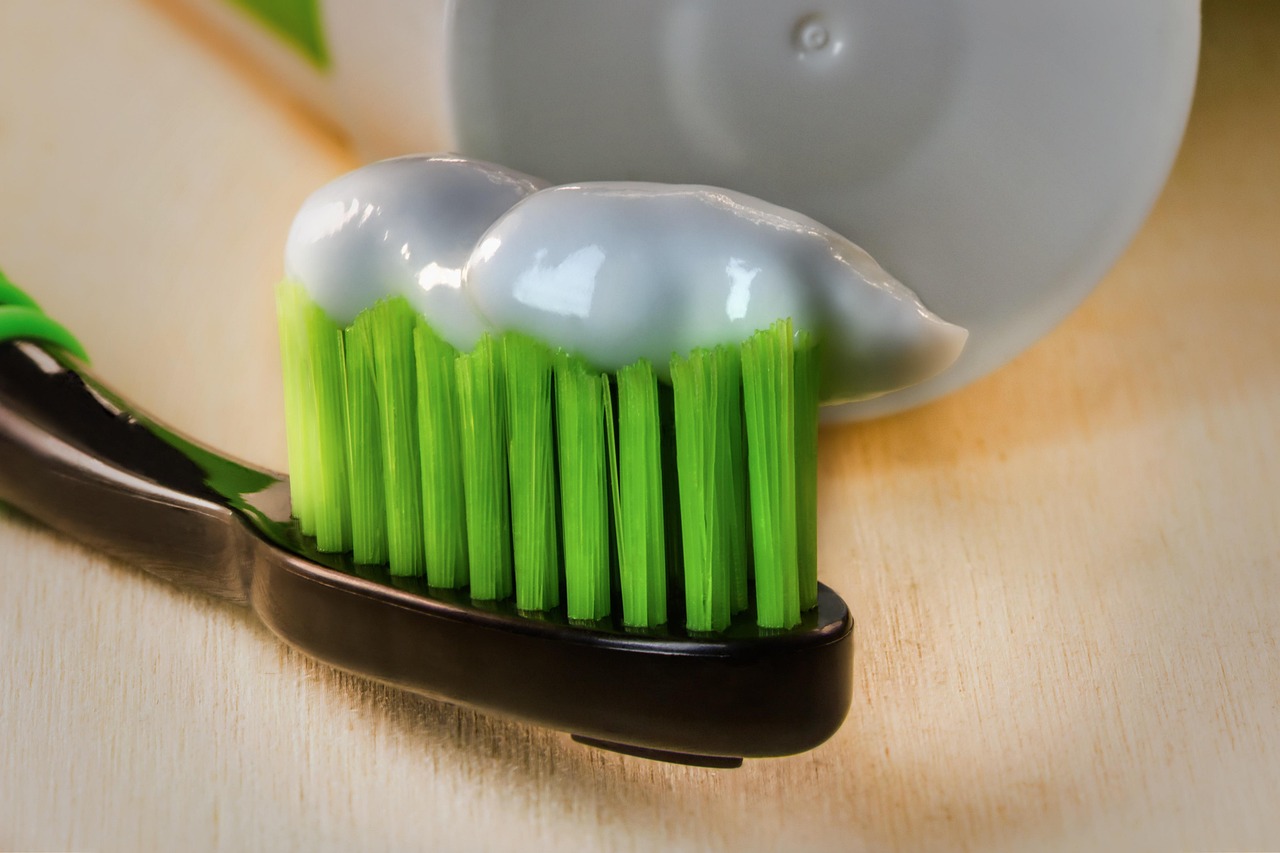
When choosing dental care products, prioritize those that are approved by veterinary professionals. Products such as enzymatic toothpaste are excellent because they target plaque and tartar buildup effectively. These toothpastes contain active ingredients that help break down the bacteria in your dog’s mouth, making it easy for the toothbrush to clean effectively. Always pick a flavor that your dog enjoys – poultry and peanut butter are popular options. Dental chews designed specifically for dogs can also significantly aid in maintaining clean teeth and fresh breath. Look for dental chews with the Veterinary Oral Health Council (VOHC) seal of approval. These chews are specifically designed to reduce plaque and tartar accumulation. Another good option is water additives that can promote oral health when added to your dog’s drinking water. They help fight bacteria and provide an extra layer of protection against dental issues. Regular use of these products can create effective routines ensuring long-term dental health for your beloved pet, establishing a lifetime of good dental practices.
In addition to the previously mentioned products, toothbrushes and finger brushes are essential components of a solid dental hygiene routine for dogs. Our furry companions often view brushing as an uncomfortable task, so using a finger brush can make the experience less intimidating. Finger brushes allow for better maneuverability within the mouth and often help dogs feel more at ease. When brushing your dog’s teeth, aim for at least two to three times a week. It helps establish a habit that they will appreciate over time. Introduce the brushes gradually, allowing your pet to smell and taste the toothpaste before you start brushing. This familiarization can make the process smoother and, ultimately, more enjoyable for your dog. Several dog-specific toothbrushes have soft bristles designed for the sensitive gums in dogs. Moreover, dog dental wipes are another excellent alternative to brushing. They can be especially beneficial for pets who are averse to traditional brushing and can be used to remove plaque buildup in hard-to-reach areas of the mouth.
What to Avoid in Dental Products
When selecting dental products for dogs, it is equally crucial to be aware of what to avoid. Not all dental products are suitable for dogs, and some can be outright harmful. Avoid using human toothpaste, as it contains xylitol and fluoride, which are toxic to dogs and can lead to severe health problems. Additionally, steer clear of products that contain harmful chemicals or artificial ingredients that may irritate your dog’s gums. Make sure to read ingredient labels thoroughly when purchasing dental products and look for those that contain natural ingredients instead. Squeaky toys that are advertised for dental cleaning should not be used either, as they often cause more harm than good, leading to broken teeth or choking hazards. Also, products that claim to quickly whiten teeth or provide rapid results often contain harmful abrasives that can damage tooth enamel. Always consult your veterinarian for recommendations on safe and effective dental products tailored for your dog to avoid potential hazards.
Understanding how to incorporate dental hygiene into your dog’s daily life can lead to better long-term oral health. Regular dental check-ups are essential, ideally twice a year, to monitor your dog’s dental status. Veterinarians can assess oral health, provide detailed cleaning, and give tailored advice on the best dental products for your unique pet. In between vet visits, follow a consistent at-home dental care routine. Aim for daily brushing if possible, and utilize dental chews during times when brushing might not be feasible. Keep in mind that nutrition affects dental health; feeding high-quality dog food can also aid in reducing plaque buildup. Natural chews made from rawhide or bully sticks can help clean teeth as dogs chew. Always supervise your dog while they have chews or dental toys to prevent choking. Consistency is key when it comes to your dog’s dental care. An established routine can lead to a healthier mouth and a happier dog who is free from painful dental diseases that cause discomfort and other health issues.
Conclusion: Prioritizing Your Dog’s Dental Health
In conclusion, ensuring your dog’s dental health is an essential part of their care. With so many safe dental products available, you can establish a comprehensive routine that promotes healthy teeth and gums. Focus on using products specifically designed for dogs to prevent health risks associated with human products. Regular brushing, along with safe dental chews and rinses, forms the backbone of an effective dental hygiene regimen. The importance of routine veterinary visits cannot be overstressed in assessing and maintaining your dog’s oral health. Remember that good dental hygiene can lead to an overall healthier and happier dog’s life, impacting their energy and vitality. Preventative measures taken today can save you time and heartache in the future. Research and buy quality dental tools designed for pets to engage your dog in their dental hygiene journey. The bond you build through this process nurtures trust and well-being. By prioritizing your dog’s dental health now, you contribute significantly to their longevity and comfort.
As a final note, always observe your dog’s response to any new dental products you introduce. Monitor for any adverse reactions, such as excessive drooling, gagging, or signs of discomfort during brushing. Respond promptly to any warning signs and consult your veterinarian if your pet experiences difficulties. Good dental health can significantly affect your dog’s quality of life, influencing mood and behavior. Providing appropriate dental care can stave off diseases that lead to pain and discomfort, enhancing their overall happiness. With the right approach and commitment to routine, your furry friend can avoid painful dental problems. Investing time in their dental hygiene directly reflects the love and attention you give to their general care. Teaching them to accept and enjoy dental routines can foster better habits for their lifetime. Incorporating fun and engaging elements into the dental care process can make your dog less resistant to it. From the right toothpaste to safe chews and toys, many options help you navigate the dental care journey effectively. Remember, an ounce of prevention is worth a pound of cure.