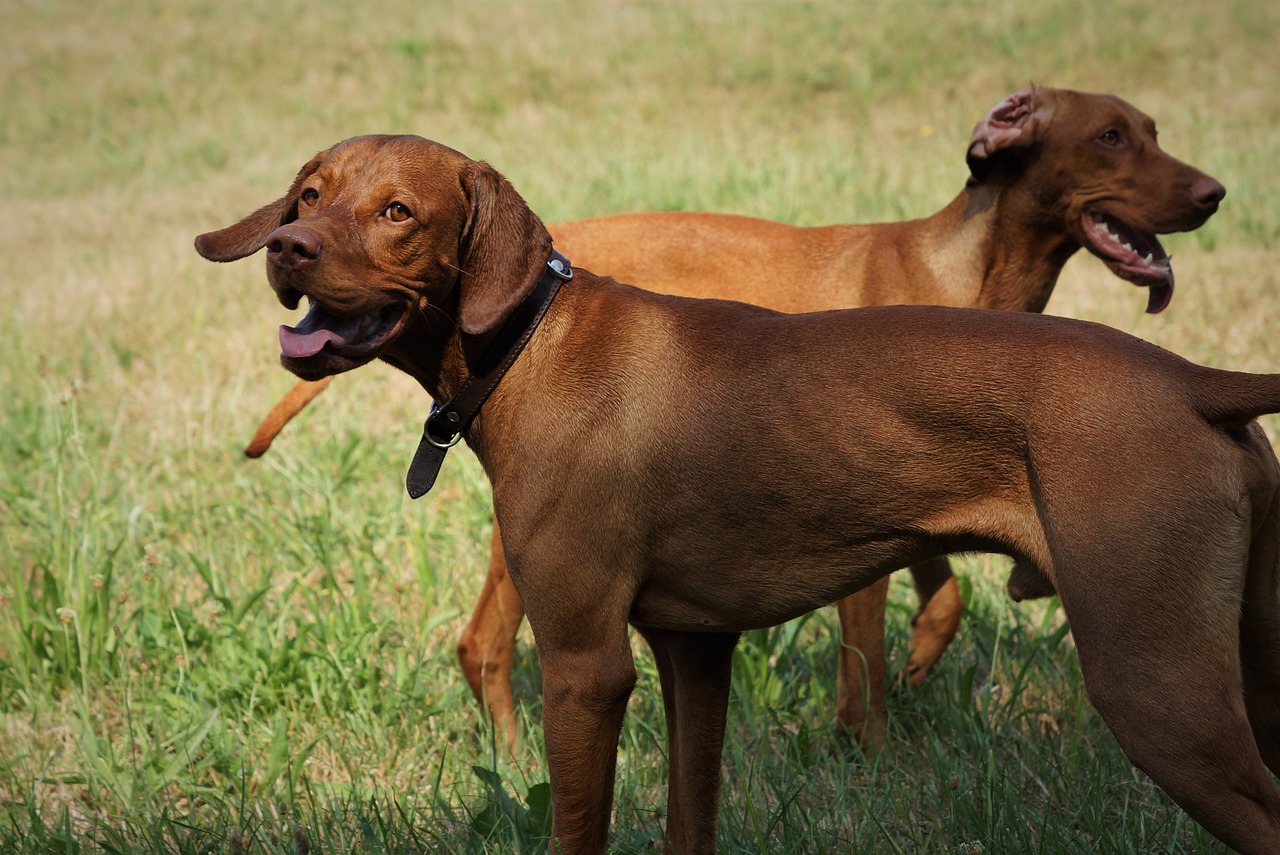

The Benefits of Professional Hunting Dog Training Classes
Professional hunting dog training classes offer numerous benefits that enhance both the skills of the dog and the experience of the handler. These structured classes focus on developing essential skills like obedience, retrieving, and tracking. Trainers utilize proven methods, ensuring dogs learn effectively in a controlled environment. With experienced instructors, owners gain valuable insights and techniques that empower them in the field. Understanding breed-specific behaviors plays a crucial role in training success. Each class is tailored to meet the unique needs of various breeds, ensuring every dog has the opportunity to excel. Moreover, a well-trained hunting dog significantly improves a hunter’s efficiency and productivity. Timing is critical during hunting seasons, and a skilled dog can fetch game swiftly. Investing in professional training not only saves time but also reduces frustration that can arise from poorly trained animals. As a result, hunters can enjoy their time in the outdoors with added confidence. Safety is another paramount benefit, as trained dogs are less likely to engage in harmful behaviors, creating a safer environment for all involved.
Training classes foster strong bonds between dogs and their owners, essential for teamwork during hunts. Training sessions emphasize communication, creating a mutual understanding of cues and responses. This bond enhances not only performance but also the overall hunting experience. Furthermore, socialization is a vital aspect of professional training. Classes introduce dogs to various environments, scents, and other dogs, reducing anxiety and stress during hunts. Socialized dogs are more adaptable in unpredictable outdoor situations. Many training classes incorporate simulated hunting scenarios, preparing dogs for real-life experiences. Handlers learn how to guide their dogs effectively while learning to read their body language, which is crucial when hunting. Additionally, professional trainers can identify and address behavioral issues before they escalate, ensuring dogs remain well-balanced and reliable partners in the field. While the initial investment can seem significant, the long-term advantages far outweigh the costs associated with professional training. Owners can experience many successful seasons with their hunting partners, making each hunting trip more memorable and enjoyable. Ultimately, the benefits of professional hunting dog training classes extend beyond the immediate learning environment, creating lifelong competencies that enhance hunting experiences.
Improved Hunting Skills
Professional training improves various hunting skills, including retrieving, scent tracking, and obedience. These classes often employ highly specialized techniques that are specific to certain hunting activities, such as waterfowl or upland bird hunting. Trainers utilize positive reinforcement methods to ensure dogs remain engaged and learn effectively. Through regular practice in a supportive environment, dogs develop the confidence needed for real hunting scenarios, leading to greater success and satisfaction during hunts. In addition, professional training provides a platform for dogs to work in diverse conditions, such as different terrains and weather types. Adjusting to varied environments helps familiar dogs adapt and perform optimally in their actual hunting grounds. These classes also involve drills that resemble hunting tasks, enhancing a dog’s focus and stamina, critical for long days in the field. Beyond just technical skills, professional training fosters an inherent understanding of hunting laws and ethical practices concerning game protection and conservation. Thus, trained dogs become proficient and responsible hunters. This understanding ensures compliance with regulations, reinforcing responsible hunting etiquette. The development of these crucial traits makes professional training a foundational investment for any serious hunter.
Another significant advantage of attending professional hunting dog training classes is the access to specialized resources. Trainers often have extensive networks and can connect dog owners with reputable breeders, veterinarians, or equipment suppliers. This insight is invaluable, especially for novice hunters looking for guidance. These insights and contacts provide a well-rounded experience. Many trainers also offer ongoing support, ensuring that dog owners have access to troubleshooting tips as training progresses. This support helps address any unforeseen issues that arise during hunting seasons. Furthermore, joining these classes allows owners to network with fellow hunting enthusiasts. Many friendships blossom, leading to shared hunting experiences and knowledge transfer. Moreover, these connections can lead to opportunities for hunting trips together, enhancing the enjoyment of the sport. Continuous learning through workshops or seminars is a vital aspect of professional training. Many organizations offer additional workshops on specialized training techniques, behavioral management, and hunting ethics. Taking advantage of these opportunities keeps dog owners informed about the latest advancements in training and hunting practices. With access to education and resources, owners are empowered to become better handlers, leading to improved results in the field.
Health Benefits of Training
Hunting dogs, like all working dogs, require regular exercise and mental stimulation. Professional training classes provide structured outlets for these needs, promoting physical fitness and mental well-being. Engaging in consistent training helps prevent obesity-related issues by ensuring dogs are active and healthy. Physical activities during training sessions enhance muscle strength, coordination, and endurance, all crucial traits for a successful hunting dog. Furthermore, mental stimulation is vital for a dog’s health. Regular challenges keep dogs engaged, reducing the risks of behavioral problems associated with boredom, like chewing or excessive barking. These behavioral improvements contribute to an overall better quality of life. Training classes also encourage dogs to develop essential coping skills, particularly in stressful situations like hunting. Learning to focus amidst distractions enhances their performance and ensures they remain calm and collected during actual hunting. Additionally, the social aspect of training can further contribute to overall health. Socializing with other dogs reduces anxiety and encourages confidence. A well-balanced dog is not only a better hunting partner but also a happier family member. Consequently, investing in improved health through professional training ultimately yields widespread benefits for both dog and owner.
Professional hunting dog training classes cater to the individual needs of handlers, addressing their specific requirements, aspirations, and skill levels. This personalized approach ensures that every participant receives the guidance they need for effective learning. Personalized training allows handlers to work on their handling skills, learn about different training methods, and gain insights into the nuances of working with their particular breed. Recognizing that not all hunting experiences are alike are crucial in adapting training to fit each dog’s unique characteristics. Trainers will often assess dogs at the start of the program, developing customized training plans that focus on strengths and weaknesses. Continuous monitoring tracks skills throughout the training, leading to ongoing adjustments and enhancements as necessary. Furthermore, having trainers available ensures that feedback is immediate and constructive. Handlers can also collaborate with trainers to establish achievable goals for both them and their dogs. With clear targets, both handlers and dogs can work together effectively to reach those goals. The focus on tailored training experiences ultimately fosters improved satisfaction and performance outcomes, making the training process enjoyable for all involved.
Conclusion: The Value of Professional Training
In summary, the advantages of enrolling hunting dogs in professional training classes are extensive. Improved skills, enhanced relationships, health benefits, and personalized programs combine to create a comprehensive training experience. Owners become more effective handlers, while dogs gain vital skills that significantly enhance their effectiveness in the field. Additionally, the networking opportunities and resources provided through professional training classes create lasting relationships and learning experiences. Investing in professional training is not merely an expense but a gateway to a more fruitful and joyful hunting season. High-quality training not only equips dogs with essential skills, but it also fosters a genuine bond between canine and handler, culminating in memorable hunting adventures. To maximize the benefits, owners should seek out reputable training programs that fit their individual needs and their dog’s specific traits. Responsible training equips handlers with tools that create lifelong partnerships based on trust and collaboration. Ultimately, the dedication to training ensures that both dog and handler enjoy their shared passion for hunting while embodying responsible practices and ethical stewardship of wildlife. Professional hunting dog training transcends basic obedience, establishing a foundation for outstanding hunting success.
While the importance of professional techniques may seem self-evident, it bears repeating that positive reinforcement plays a key role in successful dog training, whether for hunting or any other activity. Understanding how to utilize positive reinforcement ensures that the teaching process remains effective and enjoyable for both handler and dog. In comparison to punitive methods, positive reinforcement fosters a more balanced and trusting relationship. In conclusion, the commitment to professional hunting dog training leads to not only more productive hunts but also healthier, happier dogs that are well-prepared to face any adventure in the wilderness. Every class attended serves as an opportunity to enhance the partnership between dog and handler, embracing the thrill of hunting while ensuring responsible practices accompany the sport.