
The Impact of Breed-Specific Health Risks on Exotic Cat Insurance
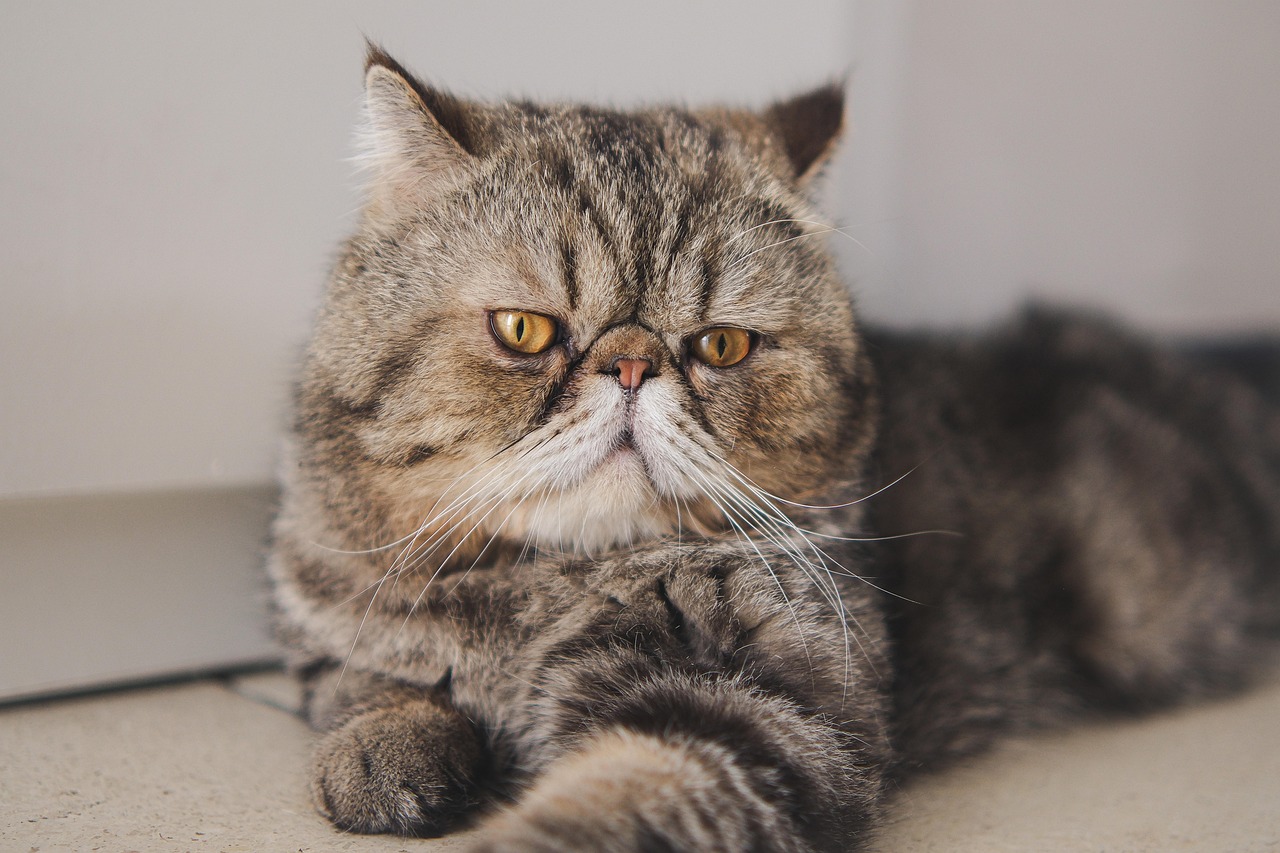
When discussing exotic cat insurance, it’s vital to consider breed-specific health risks that could significantly affect policies. Different breeds exhibit unique genetic predispositions to specific health issues. For instance, the Bengal cat may be prone to certain kidney disorders. Consequently, insurance companies often adjust their coverage options and premiums accordingly. Understanding these risks allows pet owners to ensure their feline friends receive the appropriate care. Moreover, responsibilities extend beyond initial costs; ongoing health management can lead to substantial long-term expenses. Pet insurance may cover such unforeseen circumstances, but only if policies are tailored to the breed in question. Exotic cat owners must thoroughly read the fine print of their insurance agreements. Ensuring adequate coverage can protect against debilitating financial burdens associated with treating breed-related conditions. Moreover, proactive management of health risks presents an opportunity for lower premiums. Pet owners can often save on costs by proactively addressing potential health issues. This strategy not only benefits the cat’s wellbeing but also creates a financially sustainable approach to pet ownership in the long term. Overall, considering breed-specific risks is essential when selecting pet insurance for exotic breeds.
In the realm of exotic cat breeds, some are more susceptible to health problems than others. For example, the Sphynx breed is known for skin issues, while the Maine Coon is often at risk for heart disease. These concerns highlight the importance of specific coverage options in insurance policies. Comprehensive exotic cat insurance should ideally include conditions prevalent in certain breeds. This coverage ensures that pet owners can navigate the challenges of sudden veterinary visits and associated costs without worry. Additionally, being informed about breed-specific health risks helps owners take preventive measures. Regular vet visits can help in early diagnosis of potential issues. Furthermore, understanding a breed’s general health trends prepares owners for what to expect as their cat ages. Insurance can serve as a safety net, but awareness plays a critical role. Some policies even offer wellness plans that cover routine care, so exploring various options is key. When choosing insurance, it’s important to consult with the veterinarian to obtain insights on the potential health challenges your breed may face. Combining expert advice with appropriate insurance can lead to a healthier and happier life for exotic felines.
Choosing the Right Insurance for Exotic Breeds
When selecting cat insurance for exotic breeds, understanding specific health risks is crucial. It helps narrow down the best options that fit unique needs. Generally, the cost of insurance is influenced by the breed, age, and any pre-existing conditions. Exotic breeds generally incur higher premiums due to potential health risks. Pet owners must take the time to research and compare policy offerings from various insurers. Look especially at coverage inclusions and exclusions, as they can vary widely. Don’t shy away from asking hard questions regarding what is covered. Moreover, reading customer reviews on their experiences with claims can provide helpful insights. Some policies may prioritize crisis care, while others focus on preventive treatments. Both approaches have their merits, so understanding your exotic breed’s needs will guide your decision-making process. Additionally, verifying if the insurance covers specialist consultations is vital for breeds prone to chronic conditions. This aspect emphasizes the necessity of having reliable and expert veterinary care available. Ultimately, making informed decisions leads to better health outcomes for beloved exotic cats, ensuring peace of mind during ownership.
Regular check-ups and preventive care make a significant difference in managing breed-specific health risks. Exotic breeds often require tailored health plans that address their unique needs. These plans may include vaccinations, diet management, and dental care that align with typical breed vulnerabilities. By investing in preventive care, cat owners can mitigate potential health complications that lead to costly vet visits. Insurance packages that incorporate routine wellness checks often save money long term. Therefore, exploring options that emphasize preventive strategies could enhance your cat’s overall health. Moreover, keeping an ongoing health record assists in diagnosing any emerging issues promptly. Pet owners can consult with their veterinarians to set up appropriate health milestones tailored for their breed. Such proactive measures can increase the likelihood of longer, healthier lives for those furry companions. It’s also worth noting the link between early detection and treatment efficacy. Ultimately, by prioritizing routine health management, exotic cat owners not only promote their pet’s wellbeing but also yield better financial returns from their insurance policies. As expenses related to health care continue to rise, preventing problems before they escalate becomes increasingly vital.
The Role of Pet Insurance in Managing Exotic Cat Health
Understanding the role of pet insurance in managing exotic breeds’ health risks is essential. Many exotic cats encounter high treatment costs due to their predisposition to specific ailments. Having insurance helps alleviate financial burdens when unexpected health issues surface. Therefore, choosing a policy that offers comprehensive coverage becomes a top priority for cat owners. Moreover, analyzing different policy features such as deductibles, co-pays, and coverage caps is crucial. These aspects directly influence the affordability of care if health problems arise. Exotic breed owners should pay attention to specific clauses related to hereditary conditions, as many breeds suffer from issues like hip dysplasia or heart conditions. By ensuring your insurance policy addresses these critical areas, you can secure essential financial support when needed most. It’s also beneficial to inquire about lifetime limits on coverage, as lifelong health issues may require extended treatment. Insurers should offer guidance on navigating these intricate policies. Furthermore, many companies provide customer support services to help explain coverage details clearly. This ensures cat owners make informed decisions tailored to their exotic pet’s healthcare needs and lifestyle.
As cat breeds differ, the importance of considering an individual cat’s health history and genetic predispositions cannot be understated. Documentation of prior health issues often influences insurance premiums and policy coverage. Pet owners must be proactive in discussing their cat’s background with insurance providers to better understand what to expect. Additionally, situations where certain breed common conditions can rest on multiple generations complicate coverage requirements. The impact of hereditary traits should always be included in coverage assessments. Furthermore, some insurance companies may offer discounts for pet owners who can provide compromised health histories, showcasing a commitment to responsible ownership. An open dialogue about these matters may also yield tailored solutions that specifically meet individual cat needs. Importantly, having this information readily available enhances communication between veterinarians and insurance providers. Gaps in health information can lead to overlooked conditions in diagnostics and treatment plans. As such, accurately reporting any concerns about a cat’s family medical history can create better healthcare strategies. Thus, maintaining transparency is essential for successful insurance claims and achieving a happy and healthy life for exotic breeds.
Conclusion: Managing Risks for Exotic Cat Health
In conclusion, owning exotic cat breeds comes with unique responsibilities regarding health risks. These breeds can present a range of challenges that necessitate thoughtful insurance planning and veterinary care. By acknowledging breed-specific health issues, pet owners can tailor their insurance to address potential medical concerns. This strategy minimizes the financial impact of unexpected veterinary visits, ensuring that cats receive prompt and appropriate services. Moreover, fostering a proactive approach through regular health check-ups as part of an insurance plan empowers pet owners to stay ahead of the game regarding potential issues. Working closely with vets to develop tailored care and insurance plans leads to more sustainable pet ownership. It fosters a healthier relationship between exotic cats and their owners as both parties navigate life’s challenges. Ultimately, making informed choices when selecting pet insurance is essential for enhancing the quality of life in exotic breeds. Investing the time in understanding policy details can ensure that beloved pets receive the care they deserve. Commitment to continuous education on health risks supports long-term engagement in effective feline care, enriching the lives of exotic cats in their homes.
In the realm of exotic cat breeds, some are more susceptible to health problems than others. For example, the Sphynx breed is known for skin issues, while the Maine Coon is often at risk for heart disease. These concerns highlight the importance of specific coverage options in insurance policies. Comprehensive exotic cat insurance should ideally include conditions prevalent in certain breeds. This coverage ensures that pet owners can navigate the challenges of sudden veterinary visits and associated costs without worry. Additionally, being informed about breed-specific health risks helps owners take preventive measures. Regular vet visits can help in early diagnosis of potential issues. Furthermore, understanding a breed’s general health trends prepares owners for what to expect as their cat ages. Insurance can serve as a safety net, but awareness plays a critical role. Some policies may prioritize crisis care, while others focus on preventive treatments. Both approaches have their merits, so understanding your exotic breed’s needs will guide your decision-making process. Additionally, verifying if the insurance covers specialist consultations is vital for breeds prone to chronic conditions. This aspect emphasizes the necessity of having reliable and expert veterinary care available. Ultimately, making informed decisions leads to better health outcomes for beloved exotic cats, ensuring peace of mind during ownership.