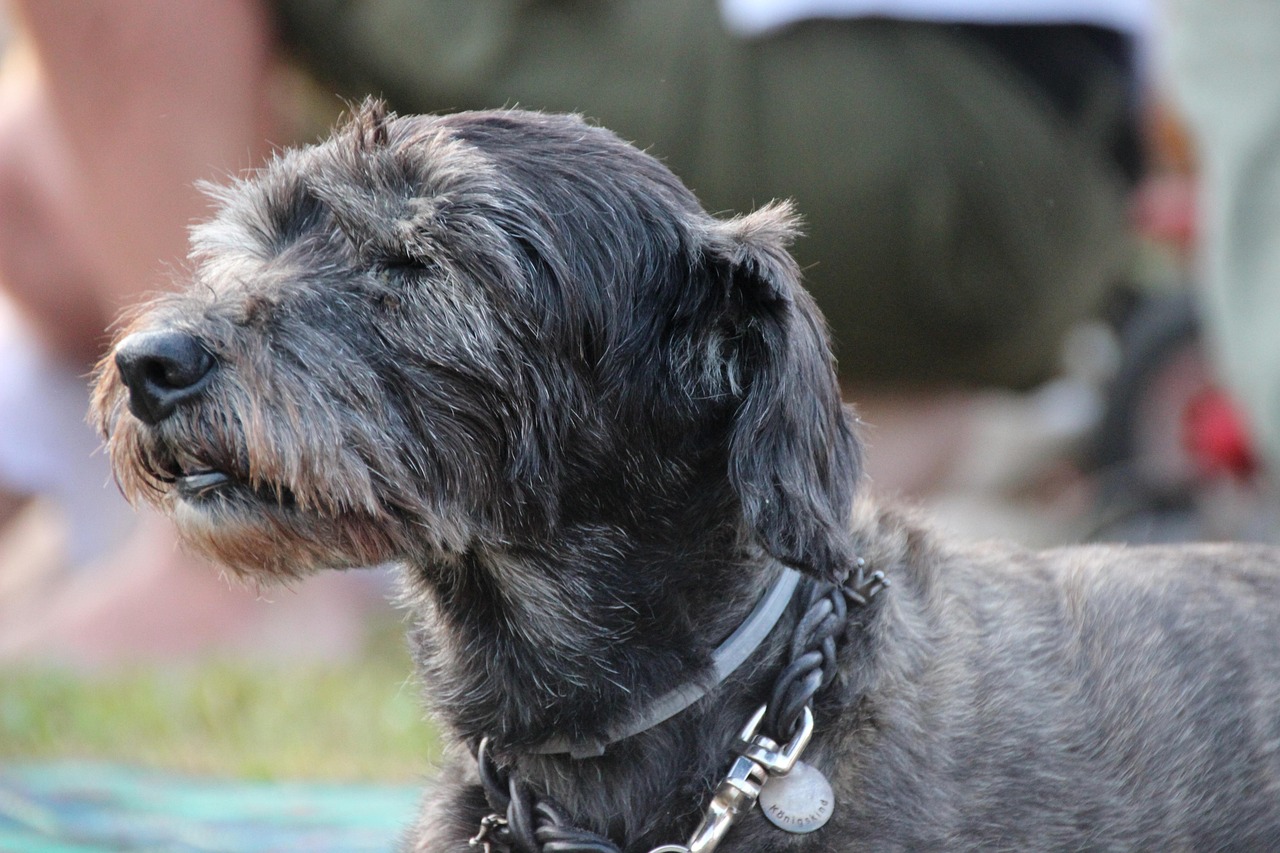

The Importance of Regular Vet Checkups for Senior Dogs
As dogs age, their health needs change significantly. Senior dogs require regular veterinary checkups to monitor chronic conditions and prevent new issues. Skilled vets perform thorough examinations, identifying symptoms that might go unnoticed at home. Frequent visits can lead to early detection of conditions like arthritis, dental disease, or even cancer. A proactive approach not only ensures a better quality of life but can also extend longevity. Nutritional recommendations and lifestyle adjustments are often made according to the dog’s specific age-related health needs. In addition to physical health, regular vet visits foster a strong relationship between the pet and the healthcare provider. This relationship is crucial for easing anxiety during visits. Moreover, senior dogs may require vaccinations to stay safe and healthy. By keeping up with vet schedules, owners can address potential concerns before they escalate. Owners should discuss any behavioral changes, appetite fluctuations, or mobility issues with the vet during these visits. Regular monitoring of health can lead to tailored care that improves overall well-being and happiness for senior dogs. Therefore, committing to vet visits is an essential part of senior dog care.
Despite being aware of the necessity of regular vet checkups, some pet owners unknowingly postpone these crucial appointments. Regular veterinary consultations are essential for managing health conditions in senior dogs effectively. For dogs over seven years old, these checkups become vital. A veterinarian’s expertise ensures that health issues are monitored and treated promptly. Senior dogs often experience cognitive decline, a condition known as canine cognitive dysfunction, which alters their behavior. Regular visits can help catch this early, allowing for interventions that improve mental fitness. Additionally, senior dogs may require specific supplements or diets to ensure their bodies get the necessary nutrients. Dog owners must maintain open communication with the vet regarding changes in their pet’s behavior and habits. Simple observations can lead to significant insights during checkups. Vets utilize multiple diagnostic tools, such as blood tests and X-rays, to assess the internal health status of older dogs. This surveillance enables appropriate adjustments to treatments, medications, or lifestyle changes. Ensuring that senior dogs receive regular vet care is integral to their health. Consequently, owners should prioritize this alongside nourishment, exercise, and affection.
Understanding Senior Dog Health Needs
Understanding the unique health needs of senior dogs is essential for their well-being. As dogs grow older, their physiological changes create several challenges. Organ functions may decline, leading to concerns over kidney health or heart conditions. Regular vet checkups help monitor these aspects effectively. The veterinarian usually performs comprehensive assessments, which include blood tests, urinalysis, and thorough physical checks. This ensures that any emerging health problems are caught early. In addition, senior dogs frequently suffer from a decline in joint health. Conditions like arthritis can cause pain and discomfort, significantly affecting their mobility and quality of life. Early diagnosis can lead to treatment regimens that ease discomfort, such as prescription medications or individualized exercise plans. Moreover, older dogs can display altered dietary requirements, necessitating adjustments in their nutrition. Vets can provide important dietary recommendations that transform a senior dog’s health outlook. Owners should openly discuss any changes in behavior, activity levels, or appetite. It’s crucial to assess these with the vet to tailor the care to the dog’s evolving needs. Regular vet visits enhance seniors’ life quality and longevity through informed health management.
Another vital element of senior dog care is dental health management. Many older dogs face dental issues that can lead to infections and pain. Regular vet visits allow for dental examinations, screenings, and, if necessary, professional cleaning. Addressing dental health not only contributes to the dog’s comfort but also impacts overall health because oral bacteria can enter the bloodstream. Such bacteria can worsen pre-existing conditions, such as heart disease or diabetes. Therefore, dental care should not be ignored as part of routine veterinary visits. Additionally, senior dogs should undergo vaccinations as recommended by their veterinarian. Many owners are unaware that vaccinations may still be essential for older dogs due to the risks of exposure to illnesses. The vet can provide accurate vaccination schedules tailored specifically to senior dogs based on their health status and lifestyle. Furthermore, seniors may experience changes in their metabolism, necessitating dietary adjustments. Therefore, proper nutrition becomes even more crucial to maintain optimal body condition. Engaging with the veterinarian during these checkups helps to maintain the dog’s quality of life. Regular dental assessments alongside vaccinations significantly contribute to your dog’s well-being.
Adapting Pet Care for Senior Dogs
Adapting pet care routines for senior dogs significantly impacts their health. The aging process may prompt changes in their physical abilities, making activities that were once easy now challenging. Therefore, it’s essential to obtain advice from the veterinarian regarding appropriate exercise regimens. Gentle walks or days filled with short play sessions are often ideal as dogs age. These activities keep their bodies strong while preventing excessive strain. Moreover, as they may become less active, weight management becomes crucial. Obesity can exacerbate joint problems and cause additional health issues. A vet can provide a weight-loss plan, recommending specific diets designed for weight management. Additionally, providing a comfortable living situation is key for senior dogs. Soft bedding and accessible spaces for rest contribute to their well-being. Furthermore, owners must be more observant regarding any behavioral changes. Sudden anxiety, withdrawal, or disruption in usual habits could indicate discomfort or illness. Consulting a veterinarian about these changes can lead to effective interventions. Monitoring these behavioral aspects is vital as well, as they reflect the dog’s emotional state along with physical health.
Another crucial aspect of your senior dog’s care is maintaining proper hydration. Aging dogs can sometimes have lower thirst drives, leading to potential dehydration. Owners should encourage water intake and ensure fresh water is always available. During routine vet visits, the vet may evaluate the dog’s hydration levels as part of the overall health assessment. This can assist in detecting early signs of kidney or urinary problems. Additionally, seniors may require more frequent bathroom breaks due to diminished bladder control. Owners should develop a flexible schedule to accommodate their dog’s needs. Dietary considerations also play a role—many senior dog foods now include added moisture content. These foods aid older dogs in staying hydrated while providing nutrition. Understanding your senior dog’s hydration needs can improve their overall health outlook. Creating a comfortable environment, where the senior dog feels safe and happy, significantly contributes to their well-being. Regular vet consultations ensure that owners remain informed about best practices and interventions available to support their furry friends as they age. Providing all these considerations together fosters a healthy and happy life for senior dogs.
Conclusion and Final Thoughts
In conclusion, regular vet checkups are undeniably crucial for senior dogs. These visits facilitate early detection and management of health problems. They assist in tailoring care, including dietary needs and exercise recommendations. Senior dogs express unique challenges, requiring dedicated attention from their caregivers. Regular veterinary visits foster a better understanding of their evolving health requirements. Pet owners are encouraged to establish communication with their veterinarians to discuss any alterations in the dog’s behavior or physical conditions. Such dialogue ensures that the vet can make necessary adjustments in care as required. An established care routine fosters trust and security for the senior dog, making visits less stressful and more beneficial. As dog owners, we have the responsibility to promote quality of life in our aging pets. The importance of regular vet checkups cannot be overstated; they play a fundamental role in maintaining health, comfort, and happiness. Investing in appropriate care truly pays off, enhancing your senior dog’s quality of life. Your furry companion will be grateful and healthier when you consistently prioritize vet checkups as part of their care plan.
Without a doubt, senior dogs deserve the very best care and love. Their loyalty and companionship over the years warrant diligent attention and protection as they grow older. It’s a worthwhile commitment that reaps perpetual rewards.