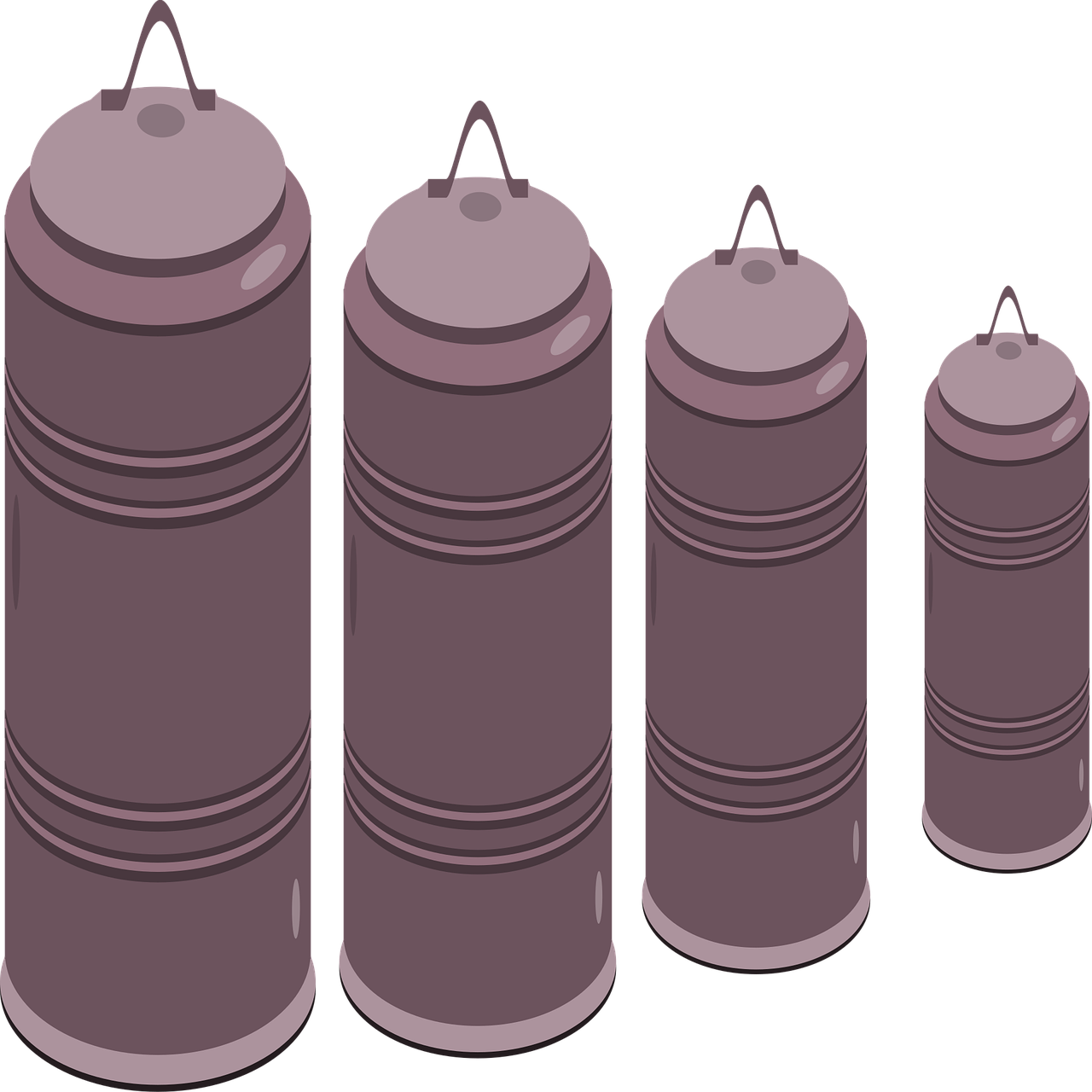

The Ultimate Guide to Organizing Your Dog’s Food Storage
Keeping your dog’s food organized is essential for maintaining freshness and ensuring your furry friend has easy access to meals. When it comes to dog food storage, several options are available that cater to various needs and preferences. It is crucial to choose the right storage solution that not only keeps the food fresh but also complements your home decor. Research shows that most dog owners prefer airtight containers for better preservation. Moreover, consider purchasing containers that match the size of your dog’s food bags. By selecting the appropriate storage container, you can help prolong the food’s shelf life and keep it safe from pests. Remember to frequently check for any signs of spoilage. Investing in quality dog food storage solutions can also prevent over-purchasing food, which can lead to waste if it expires too quickly. In conclusion, take the time necessary to organize your dog’s food supplies effectively, allowing for easy access whenever you need to refill their bowls or treat them with their favorite snacks!
Once you’ve decided to organize your dog’s food storage, it’s essential to consider where to keep it. A convenient location can significantly ease the process of feeding time. Find a spot in your kitchen or pantry that’s close to your dog’s eating area, while also being out of reach from curious paws. If space is limited, consider vertical storage solutions like stackable containers. Ideally, you want a location between room temperature and cool, as excessive heat might spoil the food faster. Investing in a set of labeled containers is another terrific way to help identify various types of food and treats quickly. This organization method also simplifies the cleaning process, allowing easy access to wipe spills. Moreover, transferring the dog food into smaller containers can help eliminate clutter and make it easier to manage portions. Look for containers with built-in measuring cups for added convenience. Remember to keep a checklist of your dog’s specific dietary needs and to rotate the food containers periodically! Proper storage enhances the quality of your dog’s food and makes feeding time enjoyable.
Choosing the Right Storage Solution
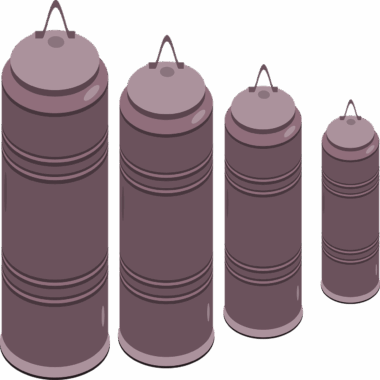
When selecting the right storage solution for your dog’s food, consider specific factors such as material, size, and your dog’s dietary needs. There are various storage options available, ranging from plastic, metal, or glass containers that come in different sizes. For longevity and durability, metal or glass containers are often preferred, as they provide an excellent seal against moisture and pests. On the other hand, plastic is lightweight and easy to clean. Before purchasing, measure the space you have available for food storage to avoid overcrowding your area. Additionally, consider purchasing containers that are easy to open for convenience during meal times. If you have multiple dogs or various types of food, opting for stackable containers can significantly save space. They’re especially useful in homes with limited storage areas. Ultimately, take the time necessary to weigh your options, as a well-chosen storage solution can maintain the quality of your dog’s food for an extended period.
Maintaining cleanliness is vital when organizing your dog’s food storage. Regular cleaning of storage containers is essential to ensure the longevity of your supplies. Food residues, spills, or pests can lead to contamination, which can affect the freshness of the food stored within. Develop a cleaning schedule to wash your containers thoroughly, preferably with mild soap and warm water, avoiding harsh chemicals that could affect food safety. Dry them properly after washing to eliminate moisture that may attract pests. Additionally, it’s crucial to routinely check the expiration dates of your dog’s food and treats and remove any expired products immediately. This practice helps keep your dog safe and healthy. It’s also advisable to inspect the containers for any signs of damage or wear, replacing them as necessary to maintain an optimal storage environment. Working out a consistent cleaning ritual can help ensure that your dog’s food remains fresh and free of contaminants between uses. Regularly cleaning your storage containers is a simple yet effective way to guarantee the best for your furry companion.
Understanding Food Labels and Expiration Dates
As a responsible pet owner, understanding food labels, ingredients, and expiration dates is crucial in making informed decisions for your dog’s health. Most dog food packages display a “best by” date, indicating when the food is at its peak freshness. Pay attention to this date, as using food past this point may compromise its quality. Furthermore, familiarize yourself with the ingredients list to ensure that your dog’s dietary needs are met. Look for quality protein sources as the primary ingredient, rather than fillers that provide little nutritional value. Also, keep an eye out for recalls or quality issues associated with specific brands to ensure your dog is getting the best nutrition available. If you’re unsure about any ingredients, consult your veterinarian for recommendations that suit your dog’s age and health status. Understanding labels can help you select high-quality food while maintaining an organized food storage system. In conclusion, knowledge of ingredients and expiration dates significantly impacts your dog’s overall health and well-being.
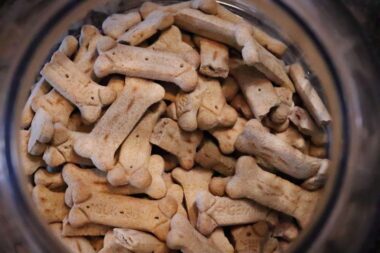
Incorporating treats into your dog’s diet is an excellent way to reward them during training or as an occasional snack. Organizing your dog treats alongside food storage can streamline feeding time and make treats more accessible. Designate a separate container for dog treats, labeled clearly so that all family members can easily identify it. Just like with the dog’s food, ensure that some containers are airtight to maintain freshness and keep pesky critters away. Assess the shelf life of various treats, as some have shorter expiration dates than kibble. Consider portion control by using smaller-sized containers for treats to avoid overindulgence. Maintaining a balance between food and treat organization can help you ensure consistency in your dog’s diet. Keep track of your treat stock to avoid running out unexpectedly. Remember, moderation is key when offering treats, particularly when you have a feisty or food-driven dog. By organizing and monitoring both food and treat storage, you’re contributing to a healthy and happy lifestyle for your furry friend!
Regularly Update Your Storage Practices
When it comes to organizing your dog’s food storage, life is ever-changing, and so are your dog’s needs. Therefore, it’s essential to regularly update your storage practices to ensure they’re still effective and practical for your situation. As your dog grows or as dietary needs change due to aging, health conditions, or activity levels, you may need to adjust the way you store food. For example, if you’re transitioning to a grain-free or raw diet, you may require a different type of container or storage method altogether. Periodically reevaluating your food storage setup can help you identify potential improvements or areas for efficiency, ensuring your dog’s feeding routine is as smooth as possible. Additionally, involving family members in the organization process can help everyone stay on the same page regarding how to store and manage the dog’s food. You’ll foster a sense of teamwork in your household, making it easier to ensure your dog receives their nutrition seamlessly. Regular updates to your storage practices can enhance efficiency for both you and your furry friend.
In conclusion, organizing your dog’s food storage is essential for the well-being of your pet, as it affects both the freshness and accessibility of their meals. By investing time and effort in selecting appropriate storage solutions while maintaining cleanliness, you create an environment that supports your dog’s health. An organized kitchen or pantry not only fosters a sense of order but also makes feeding time easier and more enjoyable for both you and your furry companion. Regularly updating your practices can help adapt to your dog’s changing needs and maintain a balance in their diet. Remember to consult your veterinarian for dietary guidelines to ensure that your storage choices align with your dog’s nutritional requirements. The focus should always remain on what best serves your dog while making the process seamless for you. Ultimately, a well-organized dog food storage system can lead to a happier, healthier pet and an easier feeding experience. So take charge of your dog’s food storage today, and see the positive changes it brings to your home!