
Bathing Long-Haired Cats: Tips for Tangle-Free Grooming
Bathing long-haired cats can seem daunting, yet it becomes easier with proper preparation. Start by gathering all necessary supplies including a quality cat shampoo, towels, a comb, and possibly a non-slip mat for the tub. If your cat is apprehensive, consider playing with them or offering treats before starting the bath. This creates a positive association with the bath environment. Brush your cat’s fur thoroughly before bathing to remove any tangles. Focus on the areas prone to matting, such as behind the ears and under the armpits. If tangles persist, consult a professional groomer for assistance. Additionally, consider having a second person available to help hold your cat securely during the bathing process. Ensure the bathwater is lukewarm as extreme temperatures can be uncomfortable. Never submerge your cat completely; instead, wet their fur gently using a cup. After washing, rinse thoroughly, ensuring no soap residue is left. Make drying easy with several soft towels, as it prevents chills. Lastly, reward your feline friend with treats for their bravery! This reinforces a positive experience associated with grooming and bathing over time.
Preparing your cat for a bath is just as essential as the actual bathing process itself. Before beginning, it’s advisable to get your cat accustomed to water. You can achieve this by simply introducing your cat to water a few days in advance. Place them near a shallow dish of water or let them investigate a damp cloth. This introduction can alleviate anxiety. When actually bathing, consider using a special cat shampoo designed to hydrate and detangle fur. Never use human shampoo as it can irritate a cat’s sensitive skin. During the process, speak softly and reassuringly to your cat to keep them calm. If your cat protests, allow brief breaks during the bathing to let them adjust. Make sure to apply conditioner after washing to help with detangling. After rinsing, gently towel dry your cat without rubbing too hard, as this could lead to more tangling. Remember, patience is key! Using positive reinforcement when they behave well can establish a trusting bond. Eventually, regular baths will transform into a pleasant ritual for you and your long-haired feline!
Steps for Effective Bathing
The steps for effectively bathing long-haired cats can make all the difference in their grooming. Begin with securing all the supplies in your bathing area. This ensures a smooth transition from preparation to bathing. Start by brushing your cat’s coat thoroughly, as this detangles and separates the fur, decreasing the chance of mats after the bath. Test the water temperature with your wrist, and fill the tub with a few inches of lukewarm water. Gently place your cat into the tub while reassuring them with calm words. Wet their fur using a cup, avoiding the head initially. Apply a pea-sized amount of cat shampoo to their back, lathering it gently into their fur, continuing along their sides and underbelly. Avoid the face at this stage, as water near the eyes can create discomfort. After scrubbing for a minute, rinse thoroughly; repeat from shampooing if necessary. After rinsing, use conditioner to soften the coat. Lastly, wrap your cat securely in a towel, allowing them to dry off gradually and comfortably, ensuring no chill!
After bathing, drying your long-haired cat is crucial to prevent mats and discomfort. A unique way to dry your cat is to use a gentle hairdryer set to a low temperature, but ensure they are comfortable with the noise first. Alternatively, a few towels can do the trick nicely. Gently pat the wet fur, absorbing moisture without pulling on any tangles. It’s vital to stay patient during this process; never force your cat if they seem agitated. For an even more effective drying technique, consider a plush grooming glove that can add warmth while also brushing through the fur. Once most of the water is absorbed, let your cat air-dry in a quiet, warm area. To avoid wet-paw prints around your home, confine them to a limited space till dry. Remember, cats do not appreciate abrupt changes; your calm demeanor will help them stay relaxed. Post-bath, it can be beneficial to provide treats or engage your cat in a short play session to reinforce that bathing is a positive experience.
Dealing with Mats and Tangles
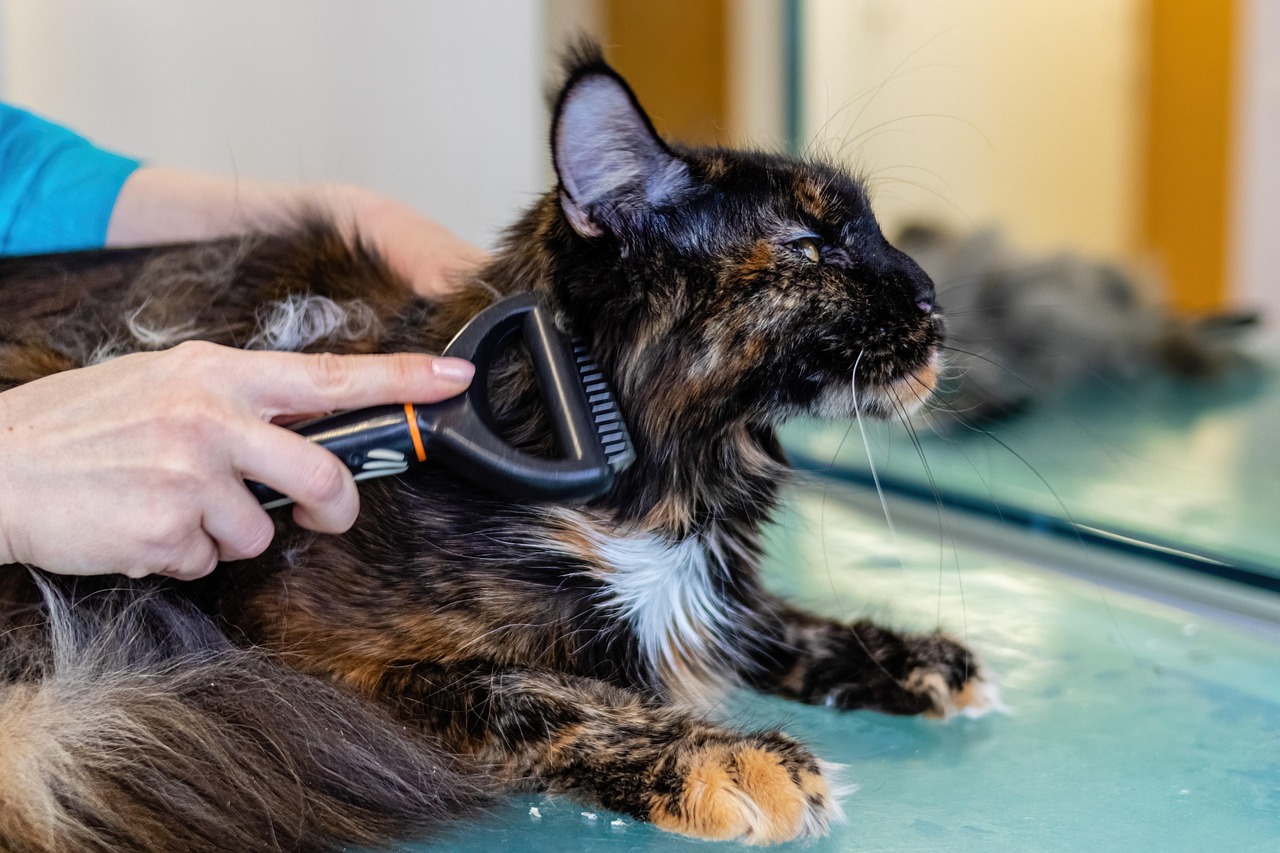
Long-haired cats are particularly prone to mats and tangles, which can be painful if left untreated. Regular grooming is vital in preventing mats, so make it a habit to brush your cat several times a week. Look for tangles in common areas like behind the ears, under the legs, and the tail base. When encountering a tangle, use a dematting comb or a detangling spray to separate the hair gently. Be careful; pulling too hard can hurt your cat, causing anxiety. For severe mats, it may be better to use scissors carefully, but take extreme caution to avoid cutting your cat’s skin. If mats persist, professional grooming can often help. They can assess the best approach based on your cat’s specific situation. Moreover, talk to your veterinary about the appropriate products to manage tangling. Providing a stress-free environment during grooming will increase your cat’s comfort. Always end grooming or bathing sessions with a positive note. This balance of patience, skill, and love makes grooming a much easier task in the long run.
The importance of maintaining a regular grooming schedule for your long-haired cat cannot be underestimated. Besides improving your cat’s health, regular grooming significantly contributes to their overall happiness. Regular grooming reduces shedding, preventing fur from accumulating in your home. It also encourages bonding time between you and your pet, as they appreciate your attention. For most long-haired cats, daily brushing is ideal, while others may suffice with weekly sessions. Monitor your cat’s coat condition regularly; adjust your schedule as needed based on their growth and ongoing matting issues. Always use suitable brushes designed for long-haired cats, as they penetrate the thick fur effectively. If bath time becomes stressful, opt for alternative solutions such as dry shampoo to keep your cat’s coat clean in between baths. Regular check-ups with your veterinarian can also help align grooming schedules with health evaluations. By establishing routine care, you ensure your cat remains comfortable, clean, and mat-free. This proactive step leads to fewer emergencies related to matted fur and improves your pet’s quality of life. Soon enough, both you and your furry friend will enjoy these pampering routines!
Final Thoughts on Cat Grooming
In conclusion, bathing long-haired cats is a multifaceted task that requires planning, patience, and care. By establishing a good routine and understanding your cat’s unique needs, you pave the way for smooth experiences. Your efforts can greatly impact their enjoyment of grooming sessions. Remember, the goal is not just cleanliness but to foster a bond with your feline friend. When following the suggested steps, it will help reduce anxiety during bathing and grooming activities. Don’t hesitate to consult professionals for tips or advice when you’re unsure; every bit of knowledge helps. Incorporate play and treats into your grooming routine to make it enjoyable for both of you. Over time, your cat will likely learn to appreciate baths, reducing any initial anxiety. Cats thrive in a relaxed environment; by creating a consistent grooming routine, you ensure they remain calm and collected. Ultimately, a well-groomed cat leads to a happier pet and a cleaner home. With persistence, grooming becomes another cherished aspect of your bond with your long-haired cat.
By applying the techniques presented in this guide, your journey in cat bathing should become significantly easier. Consistent practices translate into a positive and rewarding experience for both you and your beloved long-haired feline. Fur mats will become a distant concern, as you will have established a dependable grooming routine. As you navigate through this process, always prioritize your cat’s comfort, ensuring they feel secure. After all, grooming should never feel like a chore; instead, position it as an enjoyable bonding time that promotes trust. With time, your cat will adapt to regular grooming, and the experience can be woven into your daily life seamlessly. In essence, bathing long-haired cats doesn’t need to be intimidating. Instead, it opens up opportunities for connection and care, a testament to your love for your furry friend. Tailor these guidelines to suit your cat’s personality traits and preferences. No two cats are the same, and their reactions to bathing can significantly differ. Additionally, always keep veterinary advice in mind when addressing specific grooming queries. Your dedicated efforts will surely lead to a well-groomed and happy kitty!