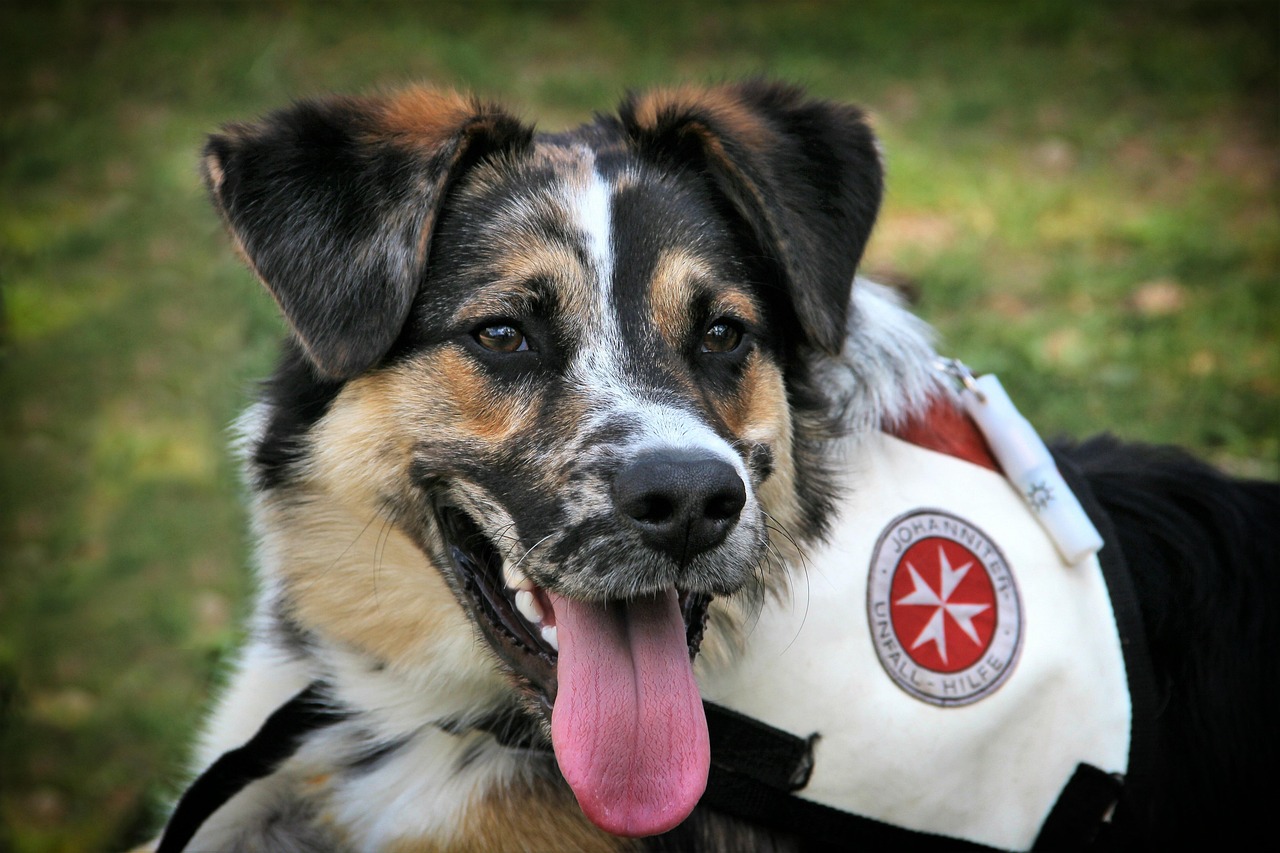

Cross-Rescue Training Programs to Improve Dog Rescue Techniques
Collaboration between different animal rescues is essential to ensure more effective dog rescue techniques. This approach facilitates a greater sharing of resources, tools, and knowledge, ultimately helping save more dogs. Organizations can benefit from combining their strengths and experiences, leading to improved training programs. A structured training program can include specialized workshops focusing on canines of various needs and behavioral issues. Rescues can tailor programs to enhance practical skills, from handling various breeds to understanding canine body language. They can also learn advanced methods for assessing the health and behavior of rescues. Moreover, these cross-rescue programs allow volunteers to network and build long-lasting relationships. In addition, sharing best practices through case studies can provide invaluable insights. Typically, case studies will highlight previous successful collaborations. Each rescue can document its experiences, thus fostering a sense of community. A focus on communication skills also ensures that knowledge can be conveyed effectively. Participants can discuss different approaches they have found successful, setting the stage for future collaborations. Overall, the commitment to improving training techniques will yield benefits across the entire dog rescue community, creating a powerful united front for better outcomes.
The Importance of Training and Knowledge Sharing
To optimize the impact of collaborative efforts, the importance of ongoing training cannot be overemphasized. Each rescue organization comes with a unique set of experiences and expertise, rich with information waiting to be shared. Such knowledge-sharing programs can enhance individual rescuer capabilities as well. They can elevate confidence in handling challenging rescues, improving overall efficacy. Training sessions should employ various learning techniques, including interactive workshops, seminars, and hands-on practicals. For instance, teaching effective leash handling techniques can drastically reduce escape attempts during rescues. Moreover, behavioral assessments can guide rescuers in identifying dog temperament accurately and recognizing red flags. A curriculum that includes dog behavior theories will empower rescuers with vital skills. Facilitated discussions can further enrich the knowledge base by allowing participants to exchange ideas and learn from one another’s journeys. Engaging with seasoned professionals and trainers is another advantageous aspect of these programs. Having experts share their experiences will provide invaluable perspectives on dog rescue. All these elements combine to create a stronger, more knowledgeable team of rescuers, ultimately leading to improved rescue outcomes.
Participating in cross-rescue training programs also encourages a culture of shared responsibility among organizations. When different rescues come together, they build a support network that helps mitigate challenges faced individually. For instance, participating organizations can address common problems, such as financial constraints and resource limitations, more effectively in a collaborative setting. Joint training initiatives can lead to the implementation of standardized procedures across participating rescues, promoting consistency in rescue approaches. Ultimately, combined efforts can lead to more streamlined processes that maximize efficiency. Such initiatives compel organizations to evaluate their ongoing practices critically, ensuring they adapt to the latest dog rescue techniques. Furthermore, organizations can develop joint grant applications to secure funds for advanced training programs, fostering sustainability. A unified approach in seeking donations can promote better awareness of issues faced in dog rescue. Many community members will be more inclined to support a collaborative effort than individual organizations. By creating synergy through collective actions, rescues can increase their visibility. This larger footprint in the community can bring in additional resources, volunteers, and foster an overall sense of shared mission among different groups, ultimately benefiting countless dogs in need.
Establishing Guidelines for Best Practices
One of the key components of successful cross-rescue training programs lies in establishing guidelines for best practices. These practices serves as a reference point for all involved, ensuring consistency and effectiveness during dog rescues. Conversations among involved organizations can lead to the development of comprehensive guidelines built on shared experiences. These guidelines can outline the steps to take during a rescue operation, the necessary equipment, and specific behavioral protocols to follow. Addressing health concerns is equally crucial, emphasizing health checks and vaccinations before any transport or adoption processes. Additionally, establishing a mutual understanding of compassionate handling techniques ensures that trainers and rescuers prioritize a dog’s well-being throughout the process. A comprehensive communication strategy among organizations also plays a significant role in practical execution of the guidelines. During crisis situations, a chain of command will facilitate faster decision-making processes. By adhering to best practice guidelines, organizations can evaluate their performance continually, looking for areas to improve. Evaluative studies can lead to better insights on what practices work of which do not. Ultimately, collaborations secured by established guidelines can lead to successful outcomes, raising standards within the dog rescue community.
Advancements in technology can also significantly support cross-rescue training programs aimed at improving techniques. Tools such as apps, online platforms, and databases can facilitate better communication among participating rescues. For example, a centralized database could allow organizations to track rescues and their statuses effectively. This technology facilitates data sharing, enabling rescues to assess needs better and coordinate joint responses promptly. Online platforms could serve as resources for training materials, allowing participants to access valuable documentation remotely. Moreover, virtual training sessions ensure accessibility, enabling participants from different geographical locations to partake without travel barriers. Regular webinars can foster ongoing engagement, ensuring trainers stay updated on the latest techniques and methods. Social media can also be instrumental in creating awareness about the collaborative programs and their outcomes, drawing more community involvement. Additionally, emerging technologies can assist in monitoring health trends among rescued dogs, aiding preventive care. All these aspects can be integrated into future training programs to help improve techniques. Keeping pace with technological advancements ensures rescuers are well-equipped for the challenges they face. As technology continues to evolve, staying agile will enhance the effectiveness of dog rescue operations and broaden their reach.
Community Engagement as a Key Factor
Effective collaboration among rescues can address not just operational issues but also community engagement initiatives. Engaging volunteers and the community creates awareness around the pressing issues of dog rescues. When rescues work together, they can amplify their efforts, taking community outreach to new heights. Joint educational programs that focus on responsible pet ownership can foster better community understanding. These programs can serve as platforms for volunteers and rescuers to share success stories and raise funds for ongoing rescue efforts. Building relationships with local businesses can amplify collaborative initiatives; sponsorships and partnerships can enhance visibility and support. Joint events, such as adoption drives or fundraising events, offer opportunities to connect with potential adopters and supporters. By pooling resources, rescues can create more attractive community events, drawing in larger crowds. Accumulating visibility can further lead to increased collaboration not just among rescues but also with other local organizations. By joining forces, rescues can undeniably enhance their community presence, resulting in a comprehensive network of support for neglected dogs. Fostering community engagement through collaboration ultimately creates a more compassionate and informed society, improving outcomes for rescues.
In conclusion, the development of cross-rescue training programs marks a significant advancement in dog rescue techniques. Such initiatives enable the sharing of knowledge, resources, and practices, cultivating a unified approach among different organizations. By prioritizing training, establishing guidelines, embracing technology, and fostering community participation, rescues can collectively improve their impact. Greater collaboration among rescues not only streamlines operations but also fosters a culture of shared responsibility and openness. Addressing the complexities of dog rescue through teamwork ensures a holistic approach that will directly benefit countless dogs. Each rescue can learn from another’s experiences, adapt best practices, and implement highly effective strategies. In the long run, emphasizing collaboration strengthens the entire dog rescue ecosystem. Volunteers, organizations, and community members will all benefit from the openly shared resources and knowledge. Continuous commitment to improvement will elevate rescue standards and increase success rates. Ultimately, pursuing collective goals reinforces rescue agencies’ commitment to ensuring better lives for the animals they serve. The partnership of organizations, combined with dedicated individuals, will allow for a brighter future for dogs in need.