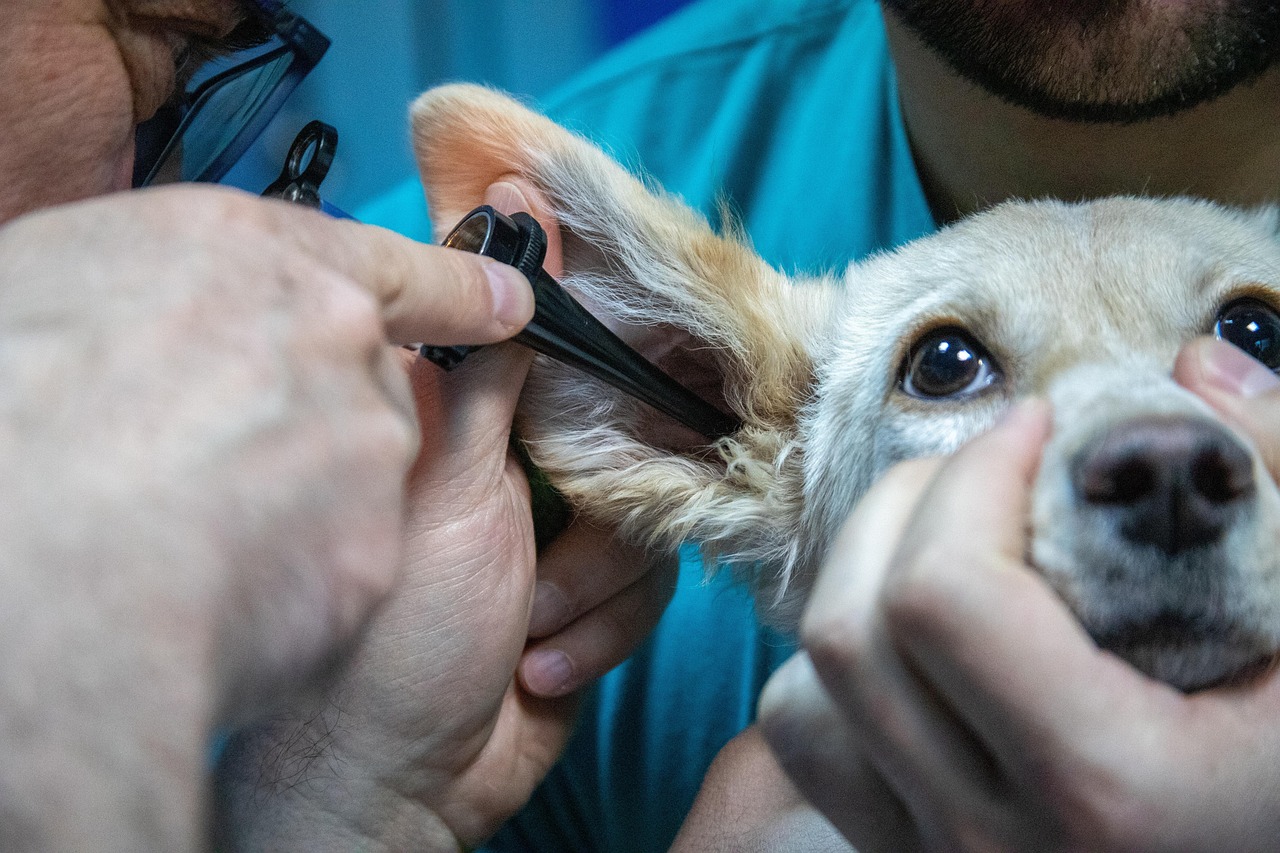

Environmental Factors Influencing Ear Mite Infestation
Ear mites are incredibly small parasites that can cause a great deal of discomfort for dogs. They thrive in environments that are warm, humid, and poorly ventilated. Moreover, they reproduce quickly, resulting in infestations that can spread throughout a household. To limit ear mite populations, it is essential to maintain environmental control measures effectively. Regular cleaning of bedding and areas where your dog spends time can significantly reduce mite populations. Using a vacuum with a HEPA filter can capture these microscopic pests effectively. Additionally, reducing indoor humidity through proper ventilation and air conditioning can create an inhospitable environment for ear mites to thrive. Washing your pet’s bedding frequently in hot water is also a crucial step in eradicating these parasites. Be vigilant during summer months, as higher temperatures may encourage mite reproduction. Furthermore, keeping your dog away from known infested areas or other pets with ear mites can prevent them from contracting these parasites. Ultimately, understanding the environmental aspects that contribute to ear mite infestations is vital for effective prevention and control, ensuring your pet remains comfortable and healthy.
Regular Cleaning Routines
Implementing a routine cleaning schedule is essential for preventing ear mite infestations around your home. Focus on areas where your dog frequents, such as their bed or favorite lying spots. Regular vacuuming and washing can significantly reduce the chance of an infestation. Using a high-efficiency particulate air (HEPA) filter ensures that dust and tiny bugs are minimized. These filters are designed to trap particles and help provide cleaner air in your home. Additionally, consider using steaming methods on your furniture and carpets, as high temperatures can kill pests that might be hiding. It is crucial to pay special attention when cleaning to thoroughly inspect areas that are often neglected. Many dog owners forget to clean behind furniture, under beds, or in hidden corners. Along with vacuuming, washing your dog’s bedding in hot water can eliminate any parasites and eggs. Regular grooming can also help uncover any signs of ear mites before they escalate. By developing a cleaning routine that targets potential sources of infestation, you can help keep both your home and dog comfortable, minimizing the risk of ear mites overall.
Another key aspect of controlling ear mites involves managing the outdoor environment. Keep your yard clean and well-kept, as areas with tall grass or shrubs can harbor ear mites and other pests. Regularly trim grass and bushes, and eliminate any debris where these parasites might breed. You should also avoid letting your dog roam in areas where other animals are known to congregate, especially those that appear unkempt or unmanaged. If you live in regions where ear mites are prevalent, consider investing in dog collars that repel parasites. However, do consult with your veterinarian before making any sudden changes. Setting up a designated area for your dog to play can help keep them away from potential infestations. Using materials like gravel can hinder mite growth compared to soil or grass. Additionally, try to limit your dog’s exposure to any known infested animals. Taking these measures seriously can significantly reduce the risk of ear mites, thus preventing health issues and discomfort for your beloved pet. Outdoor management is a proactive step towards ensuring a safe environment for your canine family member.
Insect Control and Prevention
Incorporating routine insect control measures into your dog’s environment is critical for preventing ear mite infestations. Regularly applying veterinarian-recommended topical treatments can help keep not only ear mites but also fleas and ticks at bay. These treatments often contain effective active ingredients designed to kill or repel parasites before they can infect your pet. When applying treatments, always follow the manufacturer’s instructions carefully to ensure safety and effectiveness. However, it is essential to note that not all products are suitable for every dog breed or size. Therefore, consulting with your veterinarian can provide the best tailored recommendations for your pet. In addition, consider creating a pest-free zone in your home with specialized sprays designed to eliminate mites and other bugs that may cause issues. Using indoor insect repellents regularly can help safeguard your living space. Finally, be cautious when bringing new animals into your home. Quarantine new pets to monitor for signs of infestations. These preventative steps combined can significantly help reduce the risk of ear mites, allowing your dog to stay more comfortable and healthier in their living environment.
Monitoring the overall health and wellbeing of your dog is also paramount in preventing ear mites. Regular veterinary visits not only ensure that your dog is healthy but can also catch potential infestations early on. Ear mite symptoms such as scratching or head shaking can often be mistaken for allergies on the surface. Certain breeds might be more susceptible to ear issues, so consult your veterinarian regarding suitable preventive measures. Maintaining a healthy diet rich in Omega-3 and Omega-6 fatty acids can promote a strong immune system, which helps your dog fight off parasites more effectively. Bathing your dog using special medicated shampoos can help keep their skin clean and limit potential infestations. Ensuring good ear hygiene is another critical component; routinely check your dog’s ears for debris or signs of infection, as a proactive approach helps identify problems early. Furthermore, maintaining stress levels in your dog will contribute to overall health. Stress can weaken their immune system, making them more susceptible to ear mite infections. By focusing on their health, dog owners can create an environment less conducive to ear mite infestations, leading to happier and healthier pets overall.
Education and Awareness
Educating yourself about ear mites is essential in effectively controlling them. Many pet owners are unaware of how easily these parasites can spread and thrive within their households. By getting informed about what ear mites look like and their symptoms, you can take necessary action immediately. Ear mites manifest as small, dark specks in the ear canal that often resemble coffee grounds. Prompt action once you identify these signs can prevent more extensive infestations. Keeping records of your dog’s medical history and any previous issues can also provide valuable insight when consulting veterinarians. Furthermore, joining online forums or local dog owner communities can provide helpful information and tips about managing ear mites. Sharing experiences may lead to discovering unheard prevention methods or effective treatment options. Visiting reputable websites can offer reliable advice and updates on new preventive strategies as well. Knowledge truly is power, and understanding how to prevent and manage ear mites will ultimately equip you to protect your dog better. Awareness contributes significantly to your pet’s quality of life, ensuring they remain in optimal health free from these irritating parasites.
In conclusion, effective environmental control measures are crucial for managing ear mite infestations in dogs. Cleanliness, awareness, and routine maintenance combine to maintain a supportive atmosphere for pets. Regularly assessing both your indoor and outdoor environments allows for timely attention to potential pest problems. Implementing a combination of cleaning practices, insect control, and education greatly enhances your preparedness against ear mites. Always consult your veterinarian when considering treatment options that may suit your dog’s needs. Recognize that proactive measures provide the best defense against infestations, promoting a healthy living environment. Your dog’s well-being directly correlates with your diligence in maintaining their surroundings. Furthermore, enlist the help of family or friends in your efforts to control this issue. By incorporating the measures discussed, you can significantly reduce the likelihood of ear mites affecting your dog. This proactive stance ensures your beloved companion remains happy and comfortable in their home and outdoor spaces. Regular commitment to these practices fosters healthy habits that create positive impacts not only for your dog’s quality of life but for your entire household as well.
Ultimately, ear mite management combines numerous factors, all interlinked to create a secure and healthy environment for dogs. Understanding the necessary steps to clear such infestations allows pet owners to act promptly and effectively. Consistent cleaning, good hygiene, and other environmental controls contribute immensely to keeping these parasites at bay. In addition to physical measures, mental awareness around ear mites will enable you to better protect your furry companion from potential discomfort. More than just a pest, ear mites can cause considerable distress for dogs, leading to further health issues if left untreated. Hence, entwining education within your preventive measures solidifies a comprehensive strategy towards ear mite control. Together, these elements foster not only a tidy environment but a healthy lifestyle for your dog. Balancing cleanliness and active pest control will ensure their comfort and happiness. Continual vigilance in checking for symptoms can lead to quicker intervention, promoting better health outcomes. Finally, sharing insights with fellow dog owners creates a stronger community dedicated to pet wellness, streamlining the tools necessary to combat ear mites effectively. This collaborative effort significantly uplifts pet health and enriches the lives of all involved.