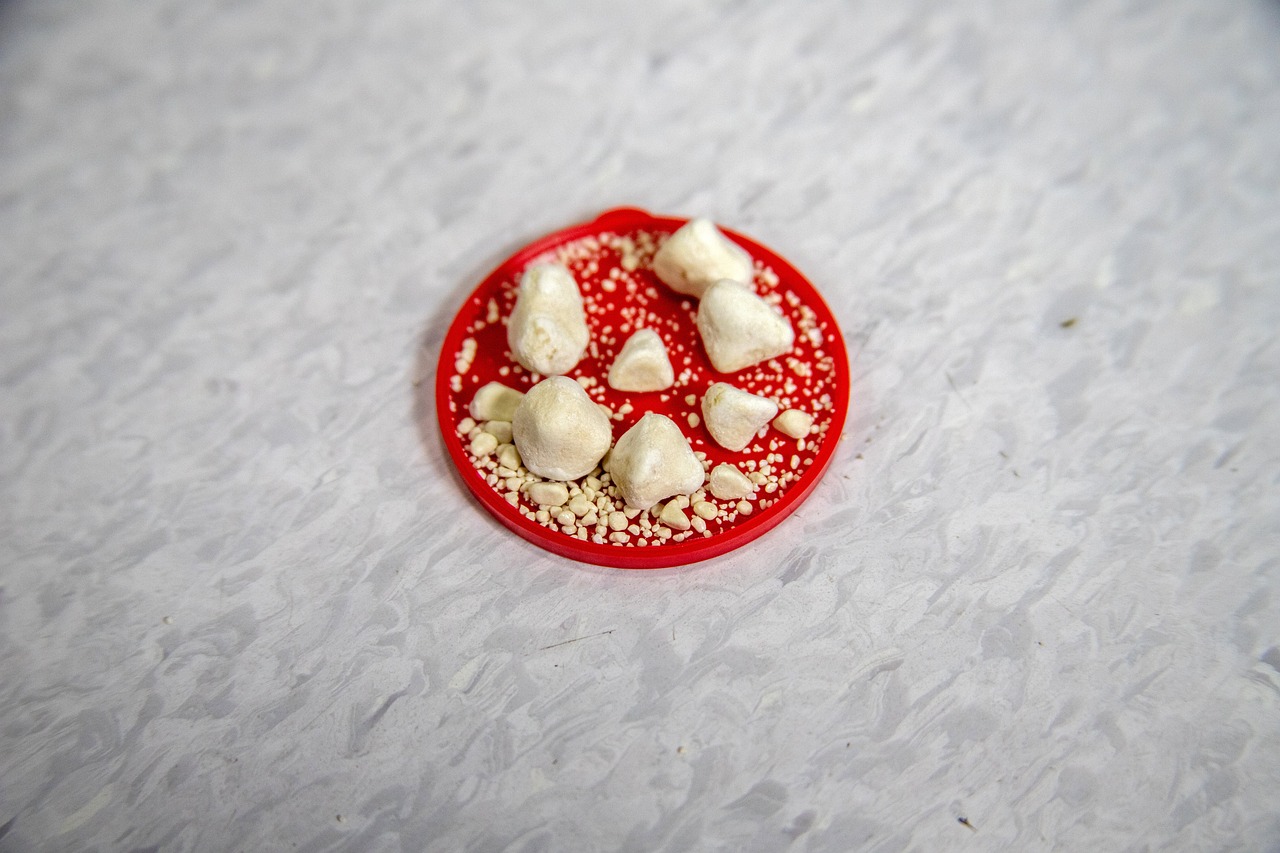

Environmental Factors Affecting Feline Kidney Stone Risk
Understanding how environmental factors influence feline kidney stones or urinary crystals is critical to ensuring your cat’s health. These conditions can lead to serious complications if not addressed. Diet plays a pivotal role; a high phosphate content diet can increase the risk significantly. Indoor cats are often fed commercial dry foods, increasing urinary concentration and forming crystals. Moreover, water intake is essential to urinary health. Cats who drink less water are at higher risk, as concentrated urine can lead to stone formation. Environmental stressors such as changes in household dynamics can motivate them to avoid the litter box. These factors may result in dehydration, contributing to crystal formation. Several other elements contribute as well. Temperature and humidity can affect hydration levels; warm, dry climates may compel cats to drink less and promote urinary issues. Owners can influence these variables by promoting easy access to fresh water and providing wet food diets. Attention should also focus on regular veterinary check-ups, practicing preventative care. This can make a difference in your feline’s long-term health trajectory. Monitoring behavior and making small changes can significantly improve the environment for urinary health.
Stress in the household can also affect kidney stone formation in cats. Changes—either in the environment or routine—can create anxiety, influencing a cat’s natural behaviors. Cats may suffer from increased urinary calcium levels, leading to crystals forming. This reaction may stem from noise, new people, or even rearrangements in the home. It is vital to provide a secure and stable environment for your feline companion. This will help minimize stress factors. It is essential to understand how factors such as noise levels or competition with other pets impact their well-being. Data shows that managing stress leads to better urinary health. Additionally, the presence of multiple animals can lead to resource competition, ultimately triggering stressful situations. Areas designated for cats to retreat to can help them feel secure. Also, pheromone diffusers may help in calming them down. The creation of a safe environment can reduce the likelihood of stone formation. Providing a less confrontational space can mean the world for a stressed cat. Owners should strive to minimize changes and provide comfort zones. Environmental management is crucial for ongoing prevention of urinary issues in cats.
The Role of Hydration
Hydration is another crucial environmental aspect that significantly influences urinary health in cats. Ensuring that your feline has a constant and easy access to fresh water is vital. Cats are naturally prone to low thirst drive, and therefore, they often do not drink adequate amounts of water. As a result, concentrated urine can develop, leading to the formation of crystals and stones. Wet food diets can be tremendously beneficial in maintaining proper hydration levels. Cats typically require a minimum of 60-70% moisture in their diets. Increasing water intake can dilute the minerals in the urine, reducing risks substantially. Implementing cat fountains can entice them to drink more often, as moving water tends to attract cats. Alternatively, offering ice cubes as treats or incorporating wet food is a great strategy. The environment directly impacts hydration levels and consequently, the overall health of a cat’s urinary system. Encouraging a consistent hydration routine will support the effective expulsion of excess minerals. If cats are hydrated properly, the likelihood of stone development will reduce. Pet owners must focus on hydration as a preventive measure against kidney stones.
The litter box environment is another significant contributing factor in feline kidney health. A clean and accessible litter area encourages proper urination habits. When cats are uncomfortable with their litter box, they may avoid it, leading to incomplete voiding. This can result in concentrated urine, which may promote crystal formation and stones. Regular cleaning and monitoring of the litter box must not be overlooked. It is advisable to use unscented litter, as artificial fragrances can deter cats from engaging with it. The location of the litter box is also important; quiet, private areas tend to be more appealing to felines. Some cats may develop reluctance to use litter boxes in stressful or crowded environments. Each cat is unique, and owners should consider their preferences when deciding on litter choices. In creating the ideal litter box scenario, you are not only ensuring that your cat is comfortable but also protecting them from potential urinary problems. Ensuring safety, cleanliness, and accessibility is fundamental to a cat’s overall health. Neglecting this factor can lead to serious long-term concerns regarding kidney health.
Diet Plays a Significant Role
The diet provided to cats is critical when considering the risk of urinary crystals and kidney stones. Not all diets are created equal, and some may predispose cats to developing urinary disorders. It’s important to look for high-quality, balanced foods tailored for feline nutrition. The presence of too many carbohydrates can be detrimental, as felines are obligate carnivores, requiring protein-intensive diets. Foods that contain adequate moisture and nutrient balance are essential. Those specifically formulated for urinary health can prevent stones from forming. Owners should consider both commercial and homemade diets, ensuring they meet all dietary requirements. Additionally, understanding ingredient labels can offer insights into the best choices. Regularly checking the phosphate and calcium levels in the ingredients is advisable for monitoring health. Additionally, speaking with your veterinarian can facilitate informed decisions about diet formulation. They may suggest specific brands known for preventing urinary issues. Choosing the appropriate foods is a significant step toward promoting urinary health and overall well-being. Diet choice is not merely about preference, it’s a matter of health, and it should be treated with attention and care.
Environmental enrichment can indirectly affect urinary health as well. Activities that increase physical and mental stimulation encourage better water intake and reduce stress levels. Engaging your feline with toys, climbing structures, and the opportunity for natural instincts to surface is beneficial. Cats need exercise as much as anything else, engaging them during active hours can decrease health risks associated with sedentary lifestyles. Interactive playtime promotes hydration by prompting them to drink more after exercise, aiding in the prevention of urine concentration. Moreover, rotational toys can keep a cat interested and reduce boredom-related stress. In the context of environmental health, offering diverse experiences is advantageous. Owners should invest in resources that will stimulate and enrich their cat’s lives. Incorporating a variety of toys and activities is key to determining how active your cat may be. Highlighting the importance of keeping a cat’s environment active can lead to happier, healthier pets with fewer urinary issues. Aim for a wholesome playing routine, and ensure your feline remains engaged and content.
Summary of Key Takeaways
In summary, several environmental factors influence the risk of feline kidney stones and urinary crystals. Attention to diet, hydration, stress management, and encouraging physical activities plays a critical role in your cat’s urinary health. Owners should focus on providing a nutrient-rich diet and consistently motivating cats to maintain adequate hydration levels. Additionally, understanding their unique behaviors and preferences with litter box habits should guide decisions regarding cleanliness. Reducing stress is essential, as anxious cats may develop urinary problems due to dehydration and avoidance behaviors. It is paramount that owners invest in creating an enriching environment, incorporating play and engagement into their routine. Veterinary guidance on nutrition further enhances the chances of a healthy cat. Understanding these aspects will provide the groundwork for optimal urinary health. Furthermore, implementing these changes may significantly improve your cat’s quality of life, avoiding severe medical issues in the future. Early intervention and knowledge are vital components in preventing urinary issues in felines and maintaining their well-being.