
Feeding Guide: Nutrition for an Alaskan Malamute
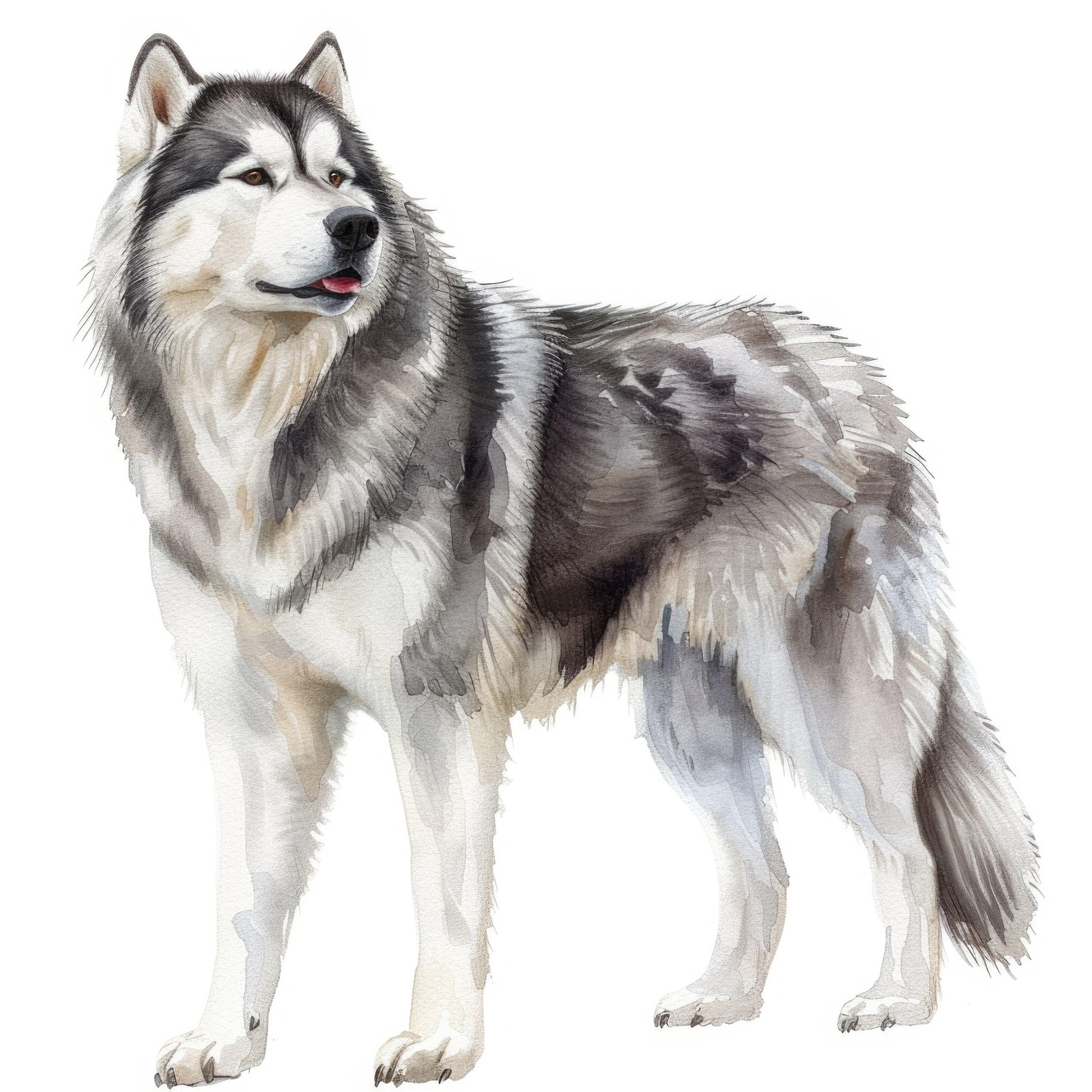
The Alaskan Malamute is a powerful and energetic breed that requires a well-balanced diet to thrive. Proper nutrition plays an essential role in their health, growth, and overall well-being. Start with high-quality commercial dog food designed specifically for large breeds, as it meets their unique nutritional needs. Opt for formulas rich in protein, as Malamutes need adequate levels to support their muscular build. Look for organic ingredients like chicken, fish, or lamb, ensuring they are the primary source of protein.
Vitamins and minerals are also crucial components in your Alaskan Malamute’s diet. Ingredients such as sweet potatoes, carrots, and blueberries can provide essential nutrients for their health. Ensure their diet has a balance of Omega-3 and Omega-6 fatty acids, which are vital for maintaining a healthy coat and skin. Avoid low-quality fillers or by-products that can be harmful and do not offer any nutritional value to your dog. Check the label carefully to understand what additives are included in the food you choose.
When feeding your Malamute, establish a regular feeding schedule. Ideally, adult Malamutes should have two meals a day, evenly spaced. Puppies, on the other hand, often require three to four smaller meals throughout the day to maintain their energy levels and support growth. Monitor their weight and adjust portion sizes as needed. Puppies will grow quickly, and overfeeding can lead to obesity, which poses serious health risks including joint problems and diabetes.
Supplements for Optimal Health
Some Alaskan Malamutes may benefit from supplements, especially as they age. Fish oil and glucosamine supplements can help support joint health and mobility. Always consult your veterinarian before introducing any supplements, as they can guide you based on your dog’s specific needs. Regular veterinary check-ups are essential to evaluate your Malamute’s health and dietary needs, ensuring they receive the right balance of nutrients over time, from puppyhood through adulthood.
Hydration is equally important when considering your Malamute’s diet. Fresh water should always be accessible, as large breeds can become dehydrated quickly, especially after vigorous exercise. Ensure the water bowl is clean and large enough for them to drink comfortably. During hot weather or after physical activity, monitor their water intake to make certain they are well-hydrated. Inadequate hydration can lead to serious health problems, including urinary tract infections and kidney issues.
Common Feeding Mistakes
One common mistake is feeding table scraps. While it may seem harmless, human food can often be rich in fats and unhealthy additives, impacting your dog’s diet negatively. Certain foods like chocolate, grapes, and onions are toxic to dogs and should be strictly avoided. Educate yourself on which human foods can be safely given, and limit their intake to occasional treats rather than regular meals. Establish a macro nutrient balance that suits their energetic lifestyle.
It is also essential to avoid sudden changes in your dog’s diet. Gradual transitions help prevent gastrointestinal upset. When switching food brands or types, integrate the new food with the old, increasing the new food’s ratio over seven to ten days. Additionally, listen to your dog’s body. Watch for any adverse reactions, such as allergies or digestion issues. If any concerns arise, do not hesitate to consult your veterinarian for advice and possible dietary adjustments.
Conclusion
Proper feeding and nutrition form the foundation of a healthy life for an Alaskan Malamute. Formulate a balanced diet rich in protein and essential nutrients, keeping their energy and activity levels in mind. Focus on high-quality ingredients, regular feeding habits, and proper hydration. Avoid common mistakes and consult with your veterinarian when needed. Supporting your Malamute with a dedicated nutritional plan will lead to a fulfilling and healthy life for both you and your loyal companion.