
Grooming Tips for Dogs Involved in Outdoor Sports Activities
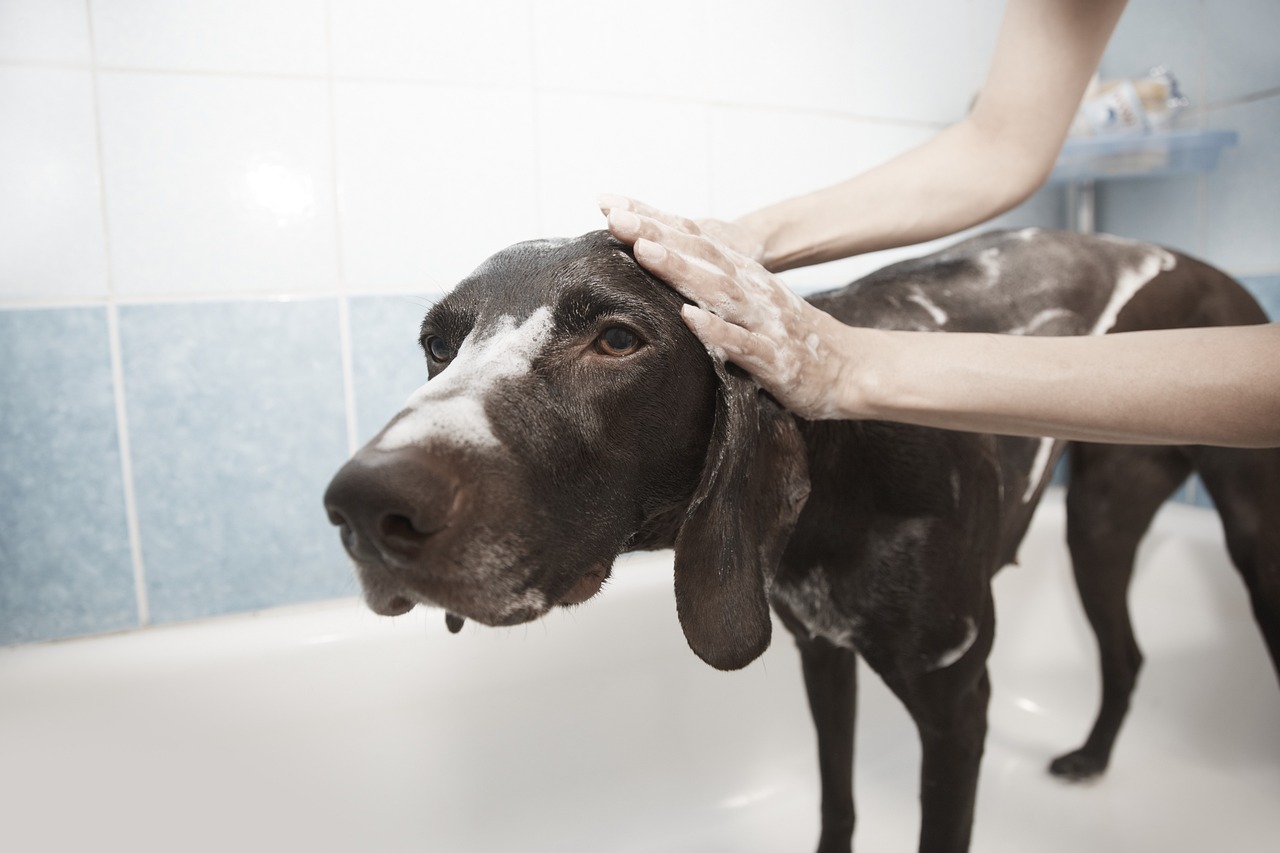
Grooming your dog properly is essential, especially for those participating in outdoor sports activities. Not only does regular grooming keep your dog looking good, but it also contributes to their overall health and well-being. Start by considering the type of coat your dog has, as different breeds have different grooming needs. For instance, long-haired breeds may need to be brushed daily to avoid matting, while short-haired breeds may only need a weekly brushing. Additionally, grooming can help identify any skin issues or parasites early on. Use tools like brushes, combs, and de-shedding tools, specific to your dog’s coat type. Besides brushing, regular bathing is important, especially after outdoor activities. Use a mild dog shampoo that won’t irritate their skin. After bathing, ensure your dog is thoroughly dried, especially if they will be engaging in more activities outdoors. Don’t forget to trim their nails to prevent injury during exercise and to clean their ears and teeth to keep overall health in check. Grooming isn’t just about aesthetics; it’s an important part of responsible dog ownership, especially for active dogs.
In addition to the basics of grooming, it’s crucial to pay attention to specific needs arising from outdoor sports. The environment can expose your dog to elements like mud, water, and varying temperatures. Always check their paws for any signs of injury or debris after outdoor activities. For instance, playing in the woods or rough terrains can lead to small cuts or thorns lodged in their paws, which could cause discomfort. In extreme weather, consider protective gear such as dog booties to protect their feet and to prevent sliding on rough surfaces during sports activities. When washing your dog, pay special attention to their paws and belly, as they’re more likely to collect dirt. After washing, use a paw moisture sealant to keep their pads hydrated and to prevent cracking. Also, if your dog is frequently swimming, rinse their coat with fresh water afterward to remove chlorine or saltwater. This will help maintain a healthy coat and skin, as exposure to these elements can lead to irritation or allergies, especially for canines involved in sports.
It’s also worth considering the effects of outdoor activities on your dog’s coat and skin. Freedom to run and engage in high-impact activities can lead to various skin conditions. To combat this, remain vigilant about checking your dog’s skin for any irritations, rashes, or hotspots. Regular vet check-ups play an essential role in monitoring your dog’s skin health, especially if they spend substantial time outdoors. Additionally, always ensure proper hydration, as vigorous exercise can lead to dehydration, affecting your dog’s skin quality overall. Dry skin can result from inadequate moisture, especially in hotter weather. To mitigate this, consider supplements rich in omega fatty acids as they benefit skin and coat health. Furthermore, maintaining a balanced diet contributes significantly to a healthy coat. Speak with your vet about the best dietary options for your active dog, ensuring they get all essential nutrients for good skin health. A healthy diet can make a remarkable difference in your pet’s coat, making it shinier, stronger, and less prone to irritation.
Seasonal Grooming Considerations
Grooming varies by season, especially for dogs active in outdoor sports. During summer, it’s crucial to manage your dog’s coat to keep them cool. Consider scheduling grooming sessions more frequently during this time. Shortening their fur can help regulate their body temperature, allowing heat to escape more effectively. Regular baths will also help reduce damage from sun exposure, particularly for dogs with lighter pigmented skin. Conclusively, always apply pet-safe sunscreen on areas prone to sunburn, such as noses and ears, if your dog enjoys long outings during peak sun hours. In contrast, winter demands a different focus; you should not only maintain coat length for warmth but also keep your dog clean from salt and other irritants on the ground. Ensure to brush your dog’s coat regularly during winter months to prevent matting caused by snow and moisture. Brushing will help remove trapped snow and moisture, reducing the chance of frostbite on their skin. Lastly, always dry your dog thoroughly after a snowy outing to prevent chilling, ensuring their comfort and safety.
Protective measures can include using a designated towel specifically for snowy adventures, which can absorb moisture quickly. This helps in getting them drier before they come indoors. Consider also treating your floors with caution, as wet dogs can be slippery. If your dog participates in sports that could involve rough terrain, consulting a professional groomer about specific coat maintenance may be beneficial. You can ask for tips on de-shedding, especially during seasonal changes, to manage shedding effectively. Furthermore, clumping of dirt can be an issue while running through grassy fields or muddy terrains. Always make it a routine to check for any dirt or leaves caught in their coat after sports activities. Brushing them right after an outdoor session will make your grooming tasks easier later on. Moreover, reinforcing positive behaviors during grooming is vital, making it a pleasant experience for you and your dog. Creating a bonding experience around grooming helps work against any anxiety they may have about the process and instills a sense of trust.
The Role of a Professional Groomer
While regular grooming routines can be managed at home, the role of a professional groomer shouldn’t be overlooked. A skilled groomer understands various coat types and grooming techniques that suit active dogs involved in outdoor sports. They often have specialized tools and products that can enhance the grooming process, potentially making the experience more efficient and effective. Consider periodic appointments with a professional groomer to address any issues beyond your capabilities. They can provide services such as deep cleaning, coat conditioning, and advanced techniques for mat removal. Additionally, professional groomers are trained to spot skin issues or irritations that may not be apparent to you. These routine visits can help you maintain your dog’s coat health optimally, keeping them comfortable and ready for action. Furthermore, an experienced groomer can recommend at-home care products and routines tailored to your dog’s needs. Working closely with a groomer can bring long-lasting benefits, ensuring your dog remains not only clean but also healthy and happy while participating in fun outdoor sports with you.
Last but not least, don’t underestimate the importance of creating a positive atmosphere during grooming. Ensuring the grooming process is enjoyable leads to less stress for both you and your dog. Use treats or praise to reinforce good behavior when grooming, creating a reward system. Engaging with them and letting them come to you during grooming makes the experience less daunting. Introduce grooming gradually to your dog so that they become accustomed to the necessary handling. Positive experiences from a young age pave the way for easier sessions in the future. Make sure to handle their paws, ears, and teeth. This gentle exposure can help reduce anxiety about future visits, especially for dogs participating in multi-dog activities where they need to maintain excellent hygiene. With active dogs, consistency is key, so stick to a regular grooming routine and adjust as needed based on their sports participation. Ultimately, ensuring regular grooming enhances their performance ability during outdoor activities while also fortifying dog-owner relationships built on trust and comfort. Happy grooming!
Conclusion
Grooming for dogs involved in outdoor sports requires dedication, awareness, and consistent care. It’s vital to understand your dog’s specific grooming requirements based on their sport and coat. By following these comprehensive grooming tips, you will help ensure that your active canine stays healthy and happy, ready for races, fetch games, and agility courses. Monitoring coat condition while also paying attention to skin health, keeping them hydrated throughout their activities, and providing the right nutrition are just a few essential protocols. Collaborating with both a reliable groomer and your veterinarian helps create a customized grooming regimen suited to your dog’s unique circumstances. Furthermore, making grooming an essential part of your canine’s lifecycle contributes to their confidence during multi-dog sports. Remember, a well-groomed dog not only excels in their activities but also sets an example for others; so, prioritize grooming sessions that build a sense of trust and partnership. At the end of the day, happy grooming experiences ensure that your dog enjoys their time in sports, maintaining positive relationships between you, their owner, and your canine companion during all outdoor ventures.