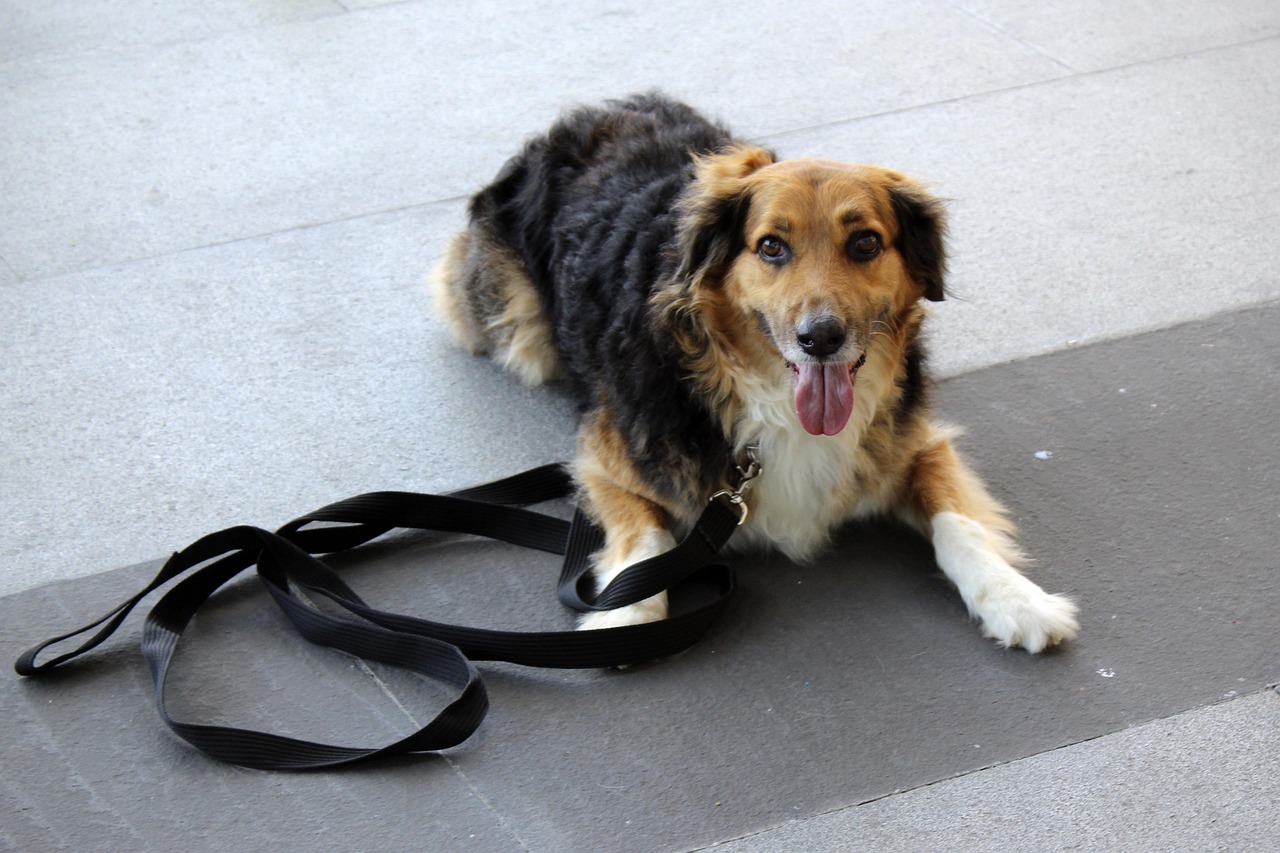

Heel Command Training for Rescue Dogs: What You Need to Know
Training a rescue dog to walk calmly beside you without pulling is essential for a harmonious relationship. The heel command can transform your walks from chaotic to enjoyable experiences. It starts by holding your dog’s leash firmly but comfortably. Choose a quiet area free of distractions to begin training. Start by keeping treats handy, as positive reinforcement fosters learning. The first step is to get your dog’s attention. Use its name or a playful tone to engage your dog. As your dog walks, encourage it to stay close by rewarding it with praise and treats. To maintain focus, use a consistent command like “heel” while walking. Gradually introduce more commands and distractions as your dog becomes comfortable with the heel command. Remember, patience is key; don’t rush the training process. Gradual desensitization to outside stimuli can aid in achieving successful results. When the heel command is mastered, your dog will feel more secure and relaxed during walks. This technique strengthens your bond with your dog, making outings enjoyable and safe for both of you.
Understanding the importance of proper leash handling is critical when training your dog. A loose leash indicates a relaxed situation while a tense one signifies stress for both the dog and owner. The right grip can influence your dog’s behavior. Utilize a shorter leash to better control your dog and ensure less chance of pulling away. Hand positioning matters; it should always be firm yet gentle. Consider these tips: use a collar or harness fitting properly; avoid jerk movements which could confuse or frighten your dog. Teach the dog to recognize tension on the leash, equating it with the need to slow down. Rewarding your dog for walking closely beside you teaches it to associate good behavior with positive outcomes. Learning signals such as stopping when pulling occurs can also reinforce this behavior. Consistency is key, so practice often, especially during stimulating scenarios. If your dog pulls—avoid yanking back; rather, redirect their focus towards you. Eventually, this association will help your dog understand what is expected of it while on walks.
Positive Reinforcement Techniques
Using positive reinforcement techniques create a bond of trust between you and your rescue dog. This method involves rewarding your dog for favorable behavior rather than punishing it for undesirable behavior. Positive reinforcement can include treats, praise, or playtime. Always remember to reward immediately after your desired behavior to create a clear connection. To introduce the heel command with positive reinforcement, begin walking with your dog at your side. Whenever your dog walks calmly beside you, offer a treat and praise enthusiastically. This encourages continued good behavior. Gradually extend the time your dog must remain in the heel position before rewarding. Add verbal commands like “heel” and hand signals as your dog learns the appropriate behavior. Keep the sessions short and fun to prevent boredom and loss of interest. Dogs thrive on routine and direction, so regularly practicing the heel command will reinforce what has been learned. With persistence and motivation, your rescue dog will understand this command well, allowing walks to transition into joyful, relaxing activities for both of you.
Patience is indispensable during the heel command training process. Rescue dogs often carry emotional baggage, and their previous experiences may influence their learning curve. Avoid getting frustrated; remember that every dog learns at its own pace. Repetition and consistency help the dog feel secure in its environment, enhancing its ability to learn new skills. Create a relaxed atmosphere during training, as tension can hinder progress. Dress your rescue dog in a suitable harness or collar that prevents discomfort and promotes positive association. Consider using a training leash if your dog is particularly reactive; this aids in gaining better control. Ensure your dog is on a routine; daily training sessions build confidence and strengthen your bond. Include brief breaks to keep your dog engaged while allowing it to process the commands. Make training a fun experience by incorporating play and socialization. You can even join a local training class for added motivation. Surround your dog with positive experiences to enhance its eagerness to learn, creating an optimal condition for mastering the heel command.
Addressing Common Challenges
Even with the utmost preparation, some challenges may arise when training your rescue dog to heel properly. Common issues include distractions, anxiety, or stubbornness. When encountering distractions, gradually introduce your dog to varied environments but start in quieter places. Gradually increase the level of distraction as your dog becomes familiar with the heel command. For anxious dogs, be gentle and patient, providing comfort during training sessions. Utilize familiar environments or favorite toys to ease anxiety levels. Incorporating calming techniques such as short walks or relaxation exercises can aid the process. Remember to take breaks if your dog appears overwhelmed. Some dogs may resist walking at your side, displaying stubborn behavior during training sessions. In these cases, explore their motivation for learning; perhaps they favor a certain treat. On rare occasions, seeking professional guidance is advisable to achieve the desired results. The journey will be unique for every dog. Set realistic expectations and celebrate small victories as signs of progress, encouraging both you and your furry friend throughout your training adventure.
Monitoring your dog’s progress is essential as you train it with the heel command. Keep notes on each session, detailing successes and areas needing improvement. This practice helps in understanding your dog’s behavior and results effectively. For each training session, maintain a consistent duration and frequency, approximately 15-30 minutes focused on reinforcing the heel command. Evaluate results periodically, adjusting your approach based on observations. Celebrate each achievement, even the smallest, as positive reinforcement boosts morale for both you and your dog. Consider including rewards such as a game of fetch after training to create lasting associations of fun. Another helpful technique is to vary routes; different paths can present new challenges that test your dog’s learned skills. This also enriches the experience, providing diverse environments for socialization. Periodically reviewing command training, grooming progress, and fatty health aspects ensure a comprehensive development. Alongside foundational commands, practice socialization and basic manners during your walks. A well-rounded training schedule fosters growth and a better understanding between you and your dog.
Conclusion: The Long-term Benefits of the Heel Command
Implementing and mastering the heel command brings long-term benefits for both you and your rescue dog. Ultimately, the goal is to enhance safety during walks while building lasting bonds through interactive training experiences. Dogs that learn to walk gently provide more pleasant outings and allow you to explore the outdoors more safely. Implementing the heel command positively affects your dog’s overall behavior, aligning it with necessary obedience training. This command can lead to greater control and predictability during other activities. Practicing the heel command throughout your dog’s life helps retain its value and reinforces learned behaviors. Having a well-trained dog leads to fewer frustrations, offering more time for enjoyable interactions. Continue to create varied experiences, socializing your dog effectively. Incorporating new learning experiences harnesses their natural instincts and encourages their growth positively. Regular practice also helps mental and physical stimulation, enhancing your dog’s overall well-being. The journey of learning commands strengthens a powerful bond, providing both you and your rescue dog with a fulfilling and happy lifestyle.
Training a rescue dog to walk calmly beside you without pulling is essential for a harmonious relationship. The heel command can transform your walks from chaotic to enjoyable experiences. It starts by holding your dog’s leash firmly but comfortably. Choose a quiet area free of distractions to begin training. Start by keeping treats handy, as positive reinforcement fosters learning. The first step is to get your dog’s attention. Use its name or a playful tone to engage your dog. As your dog walks, encourage it to stay close by rewarding it with praise and treats. To maintain focus, use a consistent command like “heel” while walking. Gradually introduce more commands and distractions as your dog becomes comfortable with the heel command. Remember, patience is key; don’t rush the training process. Gradual desensitization to outside stimuli can aid in achieving successful results. When the heel command is mastered, your dog will feel more secure and relaxed during walks. This technique strengthens your bond with your dog, making outings enjoyable and safe for both of you.