
How Diet Can Influence Anxiety in Dogs
The relationship between diet and anxiety in dogs is becoming increasingly recognized. Many pet owners are unaware that what their dogs eat can profoundly affect their emotional health. Certain nutrients can exacerbate or alleviate anxiety symptoms, which can lead to behavioral issues. For instance, a diet high in processed ingredients may lead to hormonal imbalances that influence anxiety levels. Moreover, additives in low-quality dog food can cause hyperactivity and stress, exacerbating anxiety. Dogs are also susceptible to dietary deficiencies that can affect their mental state. Omega-3 fatty acids, for example, are known for their role in brain health, and a shortage can lead to increased anxiety. A balanced diet rich in whole foods may support a dog’s psychological well-being. Natural ingredients can enhance mood stability, while processed foods can detract from it. Additionally, specific vitamins and minerals, like B vitamins and magnesium, play crucial roles in managing stress levels. Thus, tailoring a dog’s diet to include anxiety-reducing components is vital for their overall mental wellness.
Understanding how diet impacts a dog’s behavior can guide pet owners in choosing the right food. For instance, high protein levels might increase energy, leading to anxiety in some dogs. Conversely, carbohydrates can provide a calming effect when consumed in moderation. Some foods also have the potential to affect neurotransmitter levels, such as serotonin, thereby influencing mood. The Gut-Brain Axis concept highlights the connection between a dog’s gut health and mental state. A healthy gut through proper nutrition supports mental health, while poor nutrition can lead to anxiety-related behaviors. Therefore, it’s essential for dog owners to focus not just on calorie intake but on the quality of food. Feeding dogs fresh, whole foods is often more beneficial than standard kibble, which can contain fillers and preservatives. Many dog owners have noticed significant improvements in their pets’ anxiety levels after switching to a more natural diet. Consulting with a veterinarian can also provide insights on the best dietary options tailored to each dog’s needs. Ultimately, observing how diet changes affect behavior can be enlightening and beneficial.
Considerations for Choosing Dog Food
When selecting dog food to address anxiety, several factors should be considered to ensure optimal choices. Ingredients are paramount; opting for high-quality protein sources and minimal processing often leads to improved mental health. Look for dog foods that include ingredients known for their calming effects, such as turkey and fish. These sources contain tryptophan, crucial for serotonin synthesis. Additionally, foods enriched with probiotics support gut health, which can improve mood and reduce anxiety. Avoid foods packed with artificial colors, flavors, and preservatives, which can exacerbate behavioral issues. Instead, focus on whole-food ingredients that provide a spectrum of nutrients essential for psychological health. Moreover, it is vital to read labels meticulously to understand what you are feeding your dog. In some cases, homemade diets prepared under veterinary guidance can address specific needs more effectively than commercial diets. Finally, be mindful of any food sensitivities your dog may have. Regular monitoring and consultations with a veterinarian can help tailor dietary recommendations to improve wellbeing significantly.
The timing and frequency of meals can also impact a dog’s anxiety levels. Regular feeding schedules contribute to a dog’s sense of structure and security. Inconsistent mealtimes may lead to stress and uncertainty, especially for sensitive dogs predisposed to anxiety. Additionally, smaller, more frequent meals can help stabilize energy levels and reduce anxiety spikes that occur due to hunger. Some dog owners have found success with slow feeder bowls, which help maintain a healthy eating pace and promote mindful eating. Furthermore, incorporating calming supplements into the diet can be beneficial; options such as L-theanine or valerian root are known for their relaxing qualities. Always consult with a veterinarian before adding supplements, ensuring safe and suitable options for your dog’s specific condition. Collaboration with a professional helps optimize strategies in managing anxiety through dietary changes. As dietary adjustments are made, consistent behavior monitoring is essential. This will allow for tracking changes and identifying successful strategies to reduce anxiety over time. It may take patience, as some dogs require time to adjust to new dietary regimens.
Behavioral Influences of Diet
Behavioral responses to dietary changes can fluctuate significantly among individual dogs. While a particular food may benefit one dog, it may not work the same for another due to individual differences in metabolism and physiology. Such variability emphasizes the need for personalized nutrition plans. Owners should observe their dog’s reactions closely after making dietary adjustments to identify any changes in behavior or mood. Progress may be gradual, with some dogs responding more slowly than others. Record-keeping of notable behavioral shifts alongside nutritional changes can provide critical insights for owners. Additionally, the combination of diet with consistent routine and training methods can enhance the benefits of a modified diet. Problematic behaviors suffered by anxious dogs can often worsen without a coordinated approach focusing on behavioral therapy alongside dietary management. By addressing both, owners create a comprehensive strategy against anxiety. Engaging in training classes or consulting professional trainers can also complement dietary adjustments and improve overall behavior management. Therefore, it is essential to integrate these approaches harmoniously for the best results.
Ensuring proper hydration is another dietary aspect influencing anxiety in dogs. Dehydration can exacerbate feelings of stress and anxiety, making it crucial for pet owners to provide constant access to clean water. Regular hydration aids in overall health, including mental resilience. Additionally, incorporating wet food can enhance moisture intake while providing balanced nutrition. Some dogs may prefer wet food to dry kibble and can respond positively to it. However, pet owners should remain attentive to their dog’s reactions following dietary changes. Keeping a watchful eye on body language and behavior after switching to a hydration-focused diet will help in evaluating effectiveness. Maintaining a stress-free mealtime is equally important as it can influence how dogs perceive food. Mealtime should be calm, probably in a quiet location free from disturbances. Owners should aim to create positive associations with meals by offering praise and recognition. Lastly, involving professional advice ensures safety in dietary choices while effectively managing anxiety. Thus, maintaining focus on hydration and food quality plays a critical role in managing anxiety at home.
Beyond Diet: A Holistic Approach
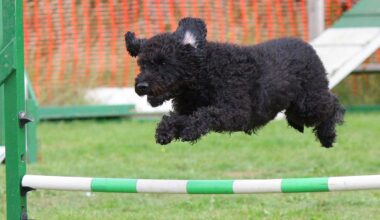
Dietary considerations are just one component of managing anxiety in dogs. A holistic approach that includes environmental, psychological, and social factors yields the best results. Ensuring that a dog feels secure in its environment is paramount — familiarize them with the home, offer safe spaces, and minimize noise pollution. Regular exercise and mental stimulation are also crucial in reducing anxiety and fear. Consistent physical activity helps release endorphins, which boosts mood and relieves stress. Activities such as walking, fetching, or even agility training can prove beneficial. Additionally, socialization with other dogs and people can aid in building confidence, but it should be introduced gradually. Engaging with other calm, well-adjusted dogs might help anxiety-prone dogs learn appropriate behaviors. Furthermore, ensuring that dogs have adequate opportunities to play can help alleviate stress and promote overall happiness. This playful approach aids in developing essential skills needed for navigating new experiences without overwhelming pets. Thus, an integrated plan that encompasses diet, training, and a supportive environment will yield significant benefits in managing anxiety in dogs.
Ultimately, raising awareness of the significance of diet in managing canine anxiety will empower pet owners to make mindful choices. Regular check-ins with a veterinarian, combined with proactive management strategies, can forge a positive path towards recovery. Continuous evaluation of dietary and behavioral interventions allows dog owners to tweak their approaches as necessary. In conclusion, a proactive and informed approach enhances pets’ lives, providing increased emotional stability through thoughtful diets and supportive practices. Knowledge is power, and understanding how dietary nuances influence anxiety provides immense leverage in promoting positive outcomes. Additionally, participating in communities or support groups can yield valuable insights and shared experiences. Dogs, being incredibly attuned to their surroundings, often reflect our own emotional states. Thus, ensuring a balanced and nutritious diet alongside behavioral support contributes to overall wellbeing. Owners should actively engage in their dogs’ lives through observation and commitment to healthy, nourishing practices. Ultimately, combating anxiety in dogs can be a holistic journey, resulting in vibrant, secure, and stress-free companions. It is possible to have a happy dog who thrives with the right care and proactive efforts.