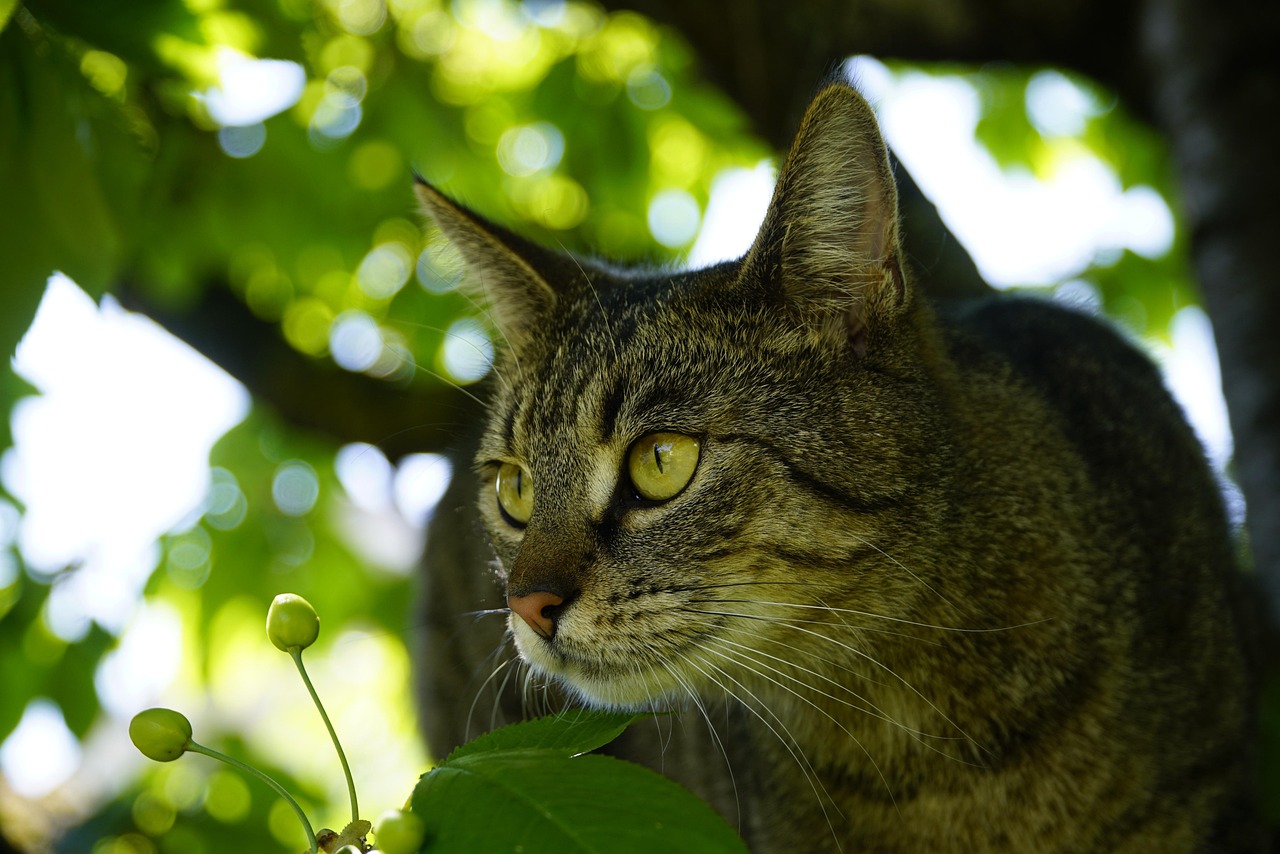

How to Train Your Cat to Stop Chasing Shadows and Lights
Understanding why your cat is chasing shadows and lights can help you manage this behavior effectively. Cats are naturally inquisitive creatures, and their instinct to pounce on moving objects is deeply ingrained. Chasing shadows or light reflections can stimulate their hunting instincts and provides exercise. However, excessive chasing may lead to frustration or anxiety, and it is essential to balance play and training. To reduce this behavior, consider engaging your cat in more productive play sessions with toys that mimic the movement of prey. You should aim to provide a range of toys designed for your cat’s preferences, enhancing their physical activity. Introducing interactive toys that they can chase and catch can offer a healthy outlet for their energy. Incorporating daily play sessions and encouraging activities that maintain their physical and mental well-being will also help. Remember that your appreciation for their unique quirks makes your bond stronger. Identifying specific triggers for this behavior allows you to tailor your approach, providing guidance while ensuring a positive environment for your cat. With patience and understanding, you can help them develop healthier play habits.
Your cat’s obsession with chasing shadows and lights may often stem from boredom or insufficient mental stimulation. It’s crucial to recognize that cats require both physical exercise and mental engagement to thrive happily. To mitigate this shadow-chasing behavior, try enhancing their environment to boost overall stimulation. Set up climbing shelves, scratching posts, and cozy hideaways to provide areas for exploration. Additionally, rotating their toys regularly can keep their interest piqued and maintain an engaging atmosphere. Make sure to dedicate time each day for interactive play, allowing them to expend energy properly. Popular options to consider include feather wands and laser pointers, as they can stimulate your kitty’s natural hunting instincts. Alongside interactive toys, consider providing puzzle feeders to challenge their problem-solving skills and promote cognitive functioning. This approach fulfills their playful desires without resorting to chasing lightweight particles that can frustrate them. Additionally, avoiding interactions that encourage this behavior, such as playing with reflections can be helpful. Instead, focus on encouraging appropriate play that channels their energy towards constructive alternatives, ultimately fostering a well-rounded, happy feline.
Establishing Play Routines
Developing a consistent play routine can benefit your cat greatly. Cats thrive on routine, and establishing specific playtimes helps them anticipate activities, ensuring they remain mentally stimulated. Each session should be around 15 to 20 minutes long, focusing on various interactive toys that they enjoy. This practice can help keep their hunting instincts sharp while reducing unwanted chasing of shadows and lights. Having designated playtime can also reinforce the bond between you and your feline friend, proving that play is a crucial aspect of their relationship. During these sessions, let your cat engage with different toys, varying speed and motion to keep them interested. Change up the types of toys introduced, since some cats may prefer feather toys while others may prefer balls or strings. Additionally, consider incorporating treat rewards after play sessions to positively reinforce the behavior. Special attention should be paid to energy levels, ensuring that you adjust play intensity according to how energetic your cat appears. By developing a consistent routine, you will help fulfill their need for exercise and engagement, thus reducing the likelihood of them chasing shadows and lights.
Implementing structured playtimes is not only essential for your cat’s physical health but also for their psychological well-being. Cats often resort to alternative behaviors like chasing shadows or intrusive lights when they feel restless or lacking stimulation. Diversifying their activities is crucial. Engaging your feline in chasing games can create a more stimulating environment, minimizing excessive shadow-chasing incidents. It’s recommended to provide different textures and functionalities among toys to keep their interest alive. You can include wand toys, balls, and even electronic toys that mimic movements, enhancing their hunting experiences while keeping them engaged. Observe your cat’s preferred methods of play and tailor activities around them. Additionally, introducing toys with varying levels of complexity can help cats maximize their cognitive development. Using battery-operated toys that move unpredictably or toys containing treats can further entice their attention. Remember to encourage independent play as well, allowing your cat the freedom to explore their surroundings. Creating an exciting environment prevents boredom and ensures your cat remains focused on appropriate play options rather than lights or shadows that capture their attention too readily.
Redirecting Their Attention
Redirecting your cat’s attention from chasing shadows and lights can pave the way for appropriate play behaviors. When your cat exhibits this behavior, calmly intervene with an engaging alternative. This approach does not involve scolding but rather encouraging preferred play activities. Immediate intervention is essential as it teaches them that chasing shadows is not productive, whereas using toys and engaging play is enjoyable. To effectively redirect, maintain a variety of toys near their typical spots for quick access. When the shadow-chasing begins, introduce a favorite toy, prompting them to refocus their energy on it. Moreover, using clicker training to mark desired behaviors can become invaluable. When your cat shifts their attention to the toy instead of shadows, click and reward them with treats. This will condition the cat to associate appropriate play behaviors with positive reinforcement. Gradually, you will establish a clear cue that shadow and light chasing is not desirable behavior. Consistency in redirection is vital, as cats may require multiple reminders for improved habits. By remaining patient and persistent, you will ultimately help your cat prioritize engaging play over distracting and non-productive behavior.
It is important to understand that reinforcing desired behavior will lead your cat towards positive habits. When they cease to chase shadows and instead engage in productive play, immediately praise and reward them. A positive approach yields better results in shaping their behavior. Instead of penalizing the unwanted behavior, focus on the times they display play behaviors you prefer. Providing praise, affection, or treats when they are in the correct play mode can promote a sense of accomplishment. Cats respond better to encouragement, creating a more rewarding atmosphere for both of you. Additionally, scheduling regular times to interact and play together deepens your bond while simultaneously redirecting focus away from shadows and lights. Consider experimenting with various rewards to gauge your cat’s preferences, as each feline has unique tastes and motivations. A mix of toys, voices, and treats can enhance the play experience, catering to their specific interests. Redirecting attention effectively will not only reduce the frustration surrounding chasing shadows but will also help to build a deeper connection with your pet, establishing mutual love and respect.
Final Thoughts on Managing Behavior
Finally, managing your cat’s fixation on chasing shadows and lights requires a blend of understanding, patience, and playfulness. Transforming unwanted behaviors into active play sessions reinforces the understanding that natural instincts can be channeled productively. Every cat has distinct preferences, so tailoring your strategies will foster a more fulfilling bond. Be sure to monitor their interactions closely, especially when introducing new toys, ensuring that these engage their attention without creating obsession. Engaging in regular, interactive play will lower the likelihood of lingering habits around shadows or lights. With consistent practice, your cat will develop a preference for the numerous alternatives available rather than fixating on fleeting movements. If despite your best efforts, the behavior leads to excessive anxiety, seeking professional guidance may also be beneficial. Understanding feline behavior is crucial in fostering an environment of trust and well-being, ultimately creating harmony at home. Keeping channeling their energy into healthy play will enhance their health and happiness while curbing shadow-chasing habits effectively.
Through proper engagement and a nurturing environment, unwanted chasing behaviors can be redirected into positive play patterns. Helping your cat to develop desirable habits not only assists in lessening their fixation on shadows or lights but also enriches their daily lives. Make sure to continue the play sessions consistently, adjusting them according to their energy levels and preferences. As a responsible pet owner, fostering a separation between play and frustrating behaviors enhances both cat and owner experience. Each feline is unique, presenting a challenge that adds to the joy of pet ownership. It is essential to foster resilience and encourage problem-solving capabilities among your cat to create a more compatible environment. Engaging with professionals in cat behavior can provide you with additional resources and insights, refining your training practices. Regularly reassess and adjust your strategies based on your cat’s evolving behaviors and responses. In conclusion, nurturing your feline’s mental stimulation while providing direction can ultimately lead to reduced shadow and light chasing behaviors. Fostering a happy home goes a long way towards ensuring that your cat leads a fulfilling, healthy life.