
Impact of Age on Nutritional Needs of Active Dogs
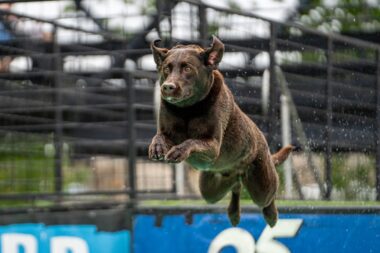
The nutritional needs of active dogs dramatically change with age, requiring specific adjustments to their diets as they mature through various life stages. Puppies, active and growing, have high energy needs fueled by protein-rich diets to support their rapid growth and development. As dogs transition into adulthood, maintaining their energy levels necessitates a balanced diet that supports physical activity while managing weight gain. Nutritional formulations should aim to provide essential nutrients including healthy fats, proteins, vitamins, and minerals. Active dogs need higher protein and fat intake to sustain their energy. When considering age-related changes, the dog’s activity level and overall health also influence decision-making regarding food choices. Senior dogs, for instance, may require less protein due to diminished muscle mass, yet necessary vitamins are crucial to prevent age-related diseases. Adjusting diet according to their level of activity is paramount to ensure they receive the vitamins and proteins crucial for their specific life stage while also avoiding excessive weight gain. Understanding these needs can guide dog owners in providing proper nutrition that enhances their pet’s overall health and longevity, allowing active dogs to thrive into their golden years.
In order to cater to the specific nutritional needs of mature dogs, it is essential to understand how aging affects metabolism. As dogs age, their metabolic rates naturally decline, which diminishes their energy requirements. Consequently, pet parents must carefully monitor their pet’s calorie intake to prevent obesity, a common issue in older, less active dogs. Additionally, older dogs might develop various health conditions, such as arthritis or dental issues, which can further complicate their nutritional needs. Foods that are energy-dense but with easily digestible ingredients become important for senior active dogs. Adjusting their diet to include more fiber can aid digestion and prevent constipation. Emphasizing protein quality over quantity is vital to maintain lean muscle mass without burdening their kidneys. It is also recommended to select foods that incorporate omega fatty acids and antioxidants to support cognitive function and joint health in aging dogs. Clean water access and consistency in feeding times can positively impact their overall health as well. Regular veterinary consultations are beneficial for assessing their dietary needs, which may shift as they continue aging, ensuring they receive optimal nutrition consistently.
The Importance of Hydration
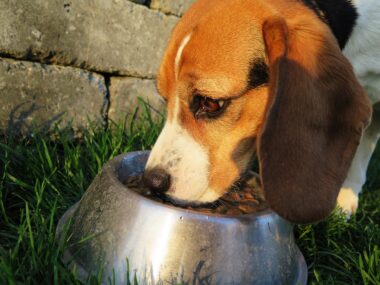
Hydration plays a pivotal role in the nutritional regimen of active dogs, especially as they age. Older dogs may become less active and, consequently, may not drink as much water. Dehydration significantly affects their health, leading to kidney problems or urinary tract infections. Ensuring that your dog has uninterrupted access to fresh water at all times is critical for supporting overall health and well-being. Adjusting your dog’s diet to include wet food can also help increase their water intake. Wet food contains a significant amount of moisture that can cater to their hydration needs along with nutrients. On hot days or after intense exercise, offering ice cubes or adding water to their kibble can entice them to drink more fluids. Monitoring their urinary output and ensuring they are urinating regularly can provide insights into their hydration levels. Incorporating electrolyte balance into their diet, especially during periods of heavy activity, can further support their overall health. By focusing on both diet and hydration, pet owners can help their active dogs remain healthy and vibrant despite the aging process.
In terms of specific dietary requirements for active dogs, age-friendly diets should also be rich in quality carbohydrates. Popular sources of carbohydrates like brown rice, sweet potatoes, and oats provide energy needed for an active lifestyle. However, it is important to ensure these ingredients are easily digestible, particularly for senior dogs. Complex carbohydrates aid in sustaining energy levels over time, allowing active dogs to engage in their favorite outdoor activities without fatigue. The addition of specific dietary fibers can further assist in intestinal health, ensuring that nutrition absorption occurs efficiently. Vitamins and minerals such as glucosamine and chondroitin sulfate are often beneficial for joint health, especially in active older dogs. Formulating their diets with age-appropriate vitamins promotes overall health and provides support for various bodily functions. Utilizing food designed specifically for senior dogs within their activity level will enhance their wellness. Consulting a veterinarian for an appropriate balance of these nutrients can further fine-tune their nutritional plans. A diet customized to the changing needs can ensure lifelong vitality and energy for active dogs throughout their lives.
Signs of Age-Related Nutritional Needs
Pet owners should also be vigilant in recognizing signs that indicate their active dogs may require dietary adjustments due to age. One of the foremost indicators is a noticeable change in energy levels; decreased activity is often a signal that dietary needs have shifted. Additionally, if pet parents observe weight gain despite staying active, this may indicate that caloric needs should be reassessed. Changes in coat quality, such as dullness or an increase in shedding, could suggest insufficient nutrient intake, highlighting the need for a potentially richer diet. Disturbances in digestion may lead to constipation or diarrhea, also sending signals that a dog’s dietary regimen requires reevaluation. Further, any change in drinking habits might indicate shifts in their hydration needs or general health status. Another sign is increased food sensitivity or allergies as age progresses, prompting further scrutiny of the ingredients in their food. Observing these signs helps pet owners determine when to consult with their vet for necessary adjustments to maintain their active dog’s nutritional balance tailored for their age.
Implementing an appropriate exercise routine alongside a proper diet plays a crucial role in maintaining a healthy weight and overall well-being for active dogs. Regular exercise can help manage their weight, encourage mobility, and improve cognitive function. Regardless of their age, dogs consistently require physical activity to maintain their happiness and health. However, exercise programs should be tailored to each dog’s unique needs and capability, adjusting intensity and duration as they age. Senior dogs may still enjoy moderate activities like short walks or gentle play but might need modified routines. Scheduling regular playtimes can encourage slower-paced but continuous engagement where active dogs remain physically and mentally stimulated. Incorporating new activities, such as swimming or agility courses, can renew their interest and enjoyment in exercise, which is particularly important as their abilities change. In addition to fresh air and social interaction, physical activity also enhances bonding between pets and their owners. By prioritizing both exercise and proper nutrition as dogs age, pet owners can help promote a fulfilling life, ensuring these beloved companions enjoy their golden years with vitality and joy.
Conclusion
In conclusion, understanding the impact of age on the nutritional needs of active dogs is fundamental for every pet owner dedicated to their dog’s health. As dogs age, their nutritional requirements shift dramatically, influenced by changes in metabolism, activity levels, and potential medical conditions. Adjusting their diet to cater specifically to changing needs becomes vital in ensuring their vitality and longevity. Focus on providing high-quality protein, healthy fats, balanced carbohydrates, vitamins, minerals, and ensuring adequate hydration will yield numerous health benefits for active dogs. Moreover, recognizing the signs that indicate age-related changes in nutritional needs enables owners to act promptly and adjust diets accordingly. Regular consultations with veterinarians and close monitoring of dietary intake can further optimize their nutritional profile. In turn, maintaining an adequate level of physical exercise alongside appropriate nutrition not only enhances the overall well-being of active dogs but also deepens the bond they share with their owners. Ultimately, these proactive steps lead to a happier, healthier life for our cherished furry companions as they thrive through all life stages.