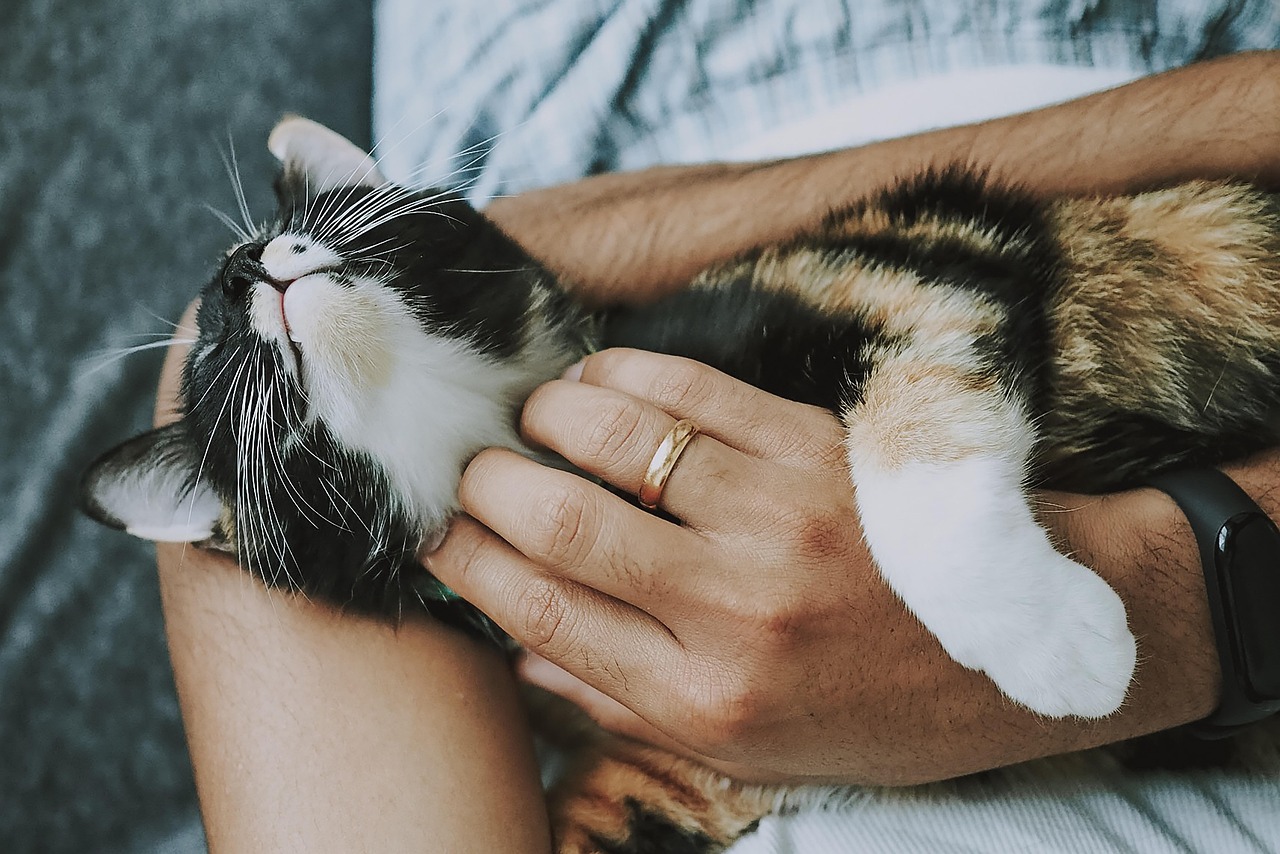

The Importance of Spaying and Neutering Rescued Cats
Spaying and neutering rescued cats is critical for controlling the stray cat population. Every year, millions of cats end up in shelters, and many are euthanized due to overcrowding. By spaying or neutering rescued cats, we can help to prevent this tragic cycle. Not only does this procedure help reduce the number of homeless cats, but it also improves the overall health of the felines. Spaying and neutering prevent numerous health problems, including certain cancers and infections. Additionally, these procedures help decrease unwanted behaviors in cats, like yowling and spraying, making them more adoptable. One of the most appealing aspects of spaying and neutering is that it’s been shown to contribute positively to the community. When fewer cats are roaming the streets, there are fewer issues associated with stray populations, such as noise, fighting, and disease. Spaying and neutering are compassionate actions that enhance the lives of both the cats and the communities where they live. In conclusion, spaying and neutering rescued cats is essential for a healthier and more humane society.
When considering rescuing a stray cat, many people often overlook the need for spaying or neutering. After bringing a cat into a safe environment, it is vital to take responsible steps to manage its future. Spaying and neutering not only prevent overpopulation but also foster good health for the new feline family member. Shelters often advocate for these procedures to ensure feline friends remain healthy and have the chance for a better life. When you rescue a stray and make the decision to spay or neuter, it’s supporting the idea of shared responsibility among pet owners. Community education about pet care, including the necessity of spaying and neutering, can significantly promote these beneficial practices. Collaborating with local vets and animal organizations can provide additional resources to encourage these life-saving procedures. Consider volunteering or attending events aimed at increasing awareness about the importance of feline health and population control. In doing so, you not only help save a cat’s life but also educate others on responsible cat ownership. Ultimately, reducing the stray population through spaying and neutering creates a brighter future for all cats.
Community support plays an invaluable role in the success of spaying and neutering efforts. When local organizations collaborate with communities, they amplify the impact of their actions for stray cats. One way to promote spaying and neutering is through outreach events that inform people about their importance. By offering low-cost or even free spaying and neutering services, communities can ensure more cats receive necessary care. In addition, these events provide a platform for discussing common misconceptions surrounding these procedures. Some individuals may fear that spaying or neutering will alter a cat’s personality or behavior. However, research shows that these procedures typically lead to calmer, more affectionate pets. Another effective strategy is to create partnerships with local vet clinics to expand access to spaying and neutering options. This cooperative approach ensures that more community members can participate in responsible pet ownership and care. Ultimately, working together as a community strengthens the collective awareness of the importance of these procedures. This collaboration encourages everyone to do their part in promoting better lives for both stray and owned cats alike.
Financial constraints often deter individuals from spaying or neutering their pets. High veterinary prices can make it challenging for low-income families to access crucial services. Therefore, local governments and non-profit organizations can offer financial assistance and educational programs aimed at reducing these barriers. By providing grants or subsidies for spaying and neutering, communities can increase the overall number of cats that receive this essential care. Many communities have launched innovative funding initiatives, including donations and fundraising campaigns aimed specifically at spaying and neutering efforts. These funds can be directed toward affordable services, benefiting low-income families and encouraging responsible cat ownership. Awareness campaigns through social media can also help raise funds and spread information. By showcasing the impact of spaying and neutering, communities can rally support for initiatives that enhance the lives of cats. Additionally, publicizing success stories of rescued cats who received these procedures can motivate more people to participate. In the end, addressing financial barriers while promoting spaying and neutering leads to a healthier and thriving feline community.
Health Benefits of Spaying and Neutering
The health benefits of spaying and neutering rescued cats can be life-changing. Firstly, spaying female cats drastically reduces the risk of certain cancers, including mammary cancer, and prevents life-threatening infections like pyometra. Neutering male cats decreases the likelihood of testicular cancer and helps prevent prostate issues. Overall, spayed or neutered cats often experience longer and healthier lives. Beyond physical health, these procedures also contribute to improved behavioral outcomes. For example, neutered males are less likely to roam, reducing their chances of encountering traffic or fights with other animals. Furthermore, spayed females avoid the stress and risks associated with heat cycles, such as unwanted litters. When cats are healthy and well-adjusted, they become more suitable for adoption and have a higher chance of finding loving homes. This sense of stability leads to happier and healthier communities. Moreover, by ensuring a reduction in unwanted offspring, spaying and neutering directly correlate with less strain on local shelters. As a result, experienced advocates stress the importance of prioritizing health when rescuing cats, leading to a more positive future for all felines.
In addition to individual health benefits, spaying and neutering also confer social advantages. A stable, healthy cat population reduces stress within neighborhoods. When fewer stray cats roam freely, residents experience less noise, fewer aggressive encounters, and a decrease in property damage. Communities benefit tremendously from collaborative efforts focused on population control through spaying and neutering. This aspect showcases the direct connection between initiatives benefiting cats and the well-being of local residents. Stray cats can be a challenge for many communities, but these issues can be addressed through responsible management. Encouraging people to spay and neuter their pets fosters empathy and respect for animals, which helps shift the mindset of the broader community. Educational programs that outline the benefits of these procedures can significantly alter perceptions about stray cats, which in turn could lead to more positive outcomes. By spreading awareness about the impact of caring for cats, individuals feel empowered to contribute positively. As a result, the collaboration between pet owners, local governments, and animal advocacy groups can culminate in environments that nurture both human and animal well-being.
Conclusion
In conclusion, spaying and neutering rescued cats are vital for improving the lives of these felines and the communities they inhabit. We can dramatically decrease the challenges linked to overpopulation and the associated consequences. Education, community engagement, and financial support will facilitate these essential procedures’ accessibility. By coming together as a collective force, we create opportunities for stray cats to lead healthy lives filled with love. Promoting spaying and neutering should not just be seen as an individual responsibility but rather as a communal effort. Together, we can foster compassion and commitment toward building a society where all cats are cared for and given a chance at a better future. As individuals become more aware of the advantages, they can encourage others to take responsibility for their pets, fostering a culture of care. Collective efforts to raise awareness, fund initiatives, and educate communities lead to a positive transformation. By advocating for change, everyone can participate in building a humane environment for cats. Let’s work together and strive to enact a just and compassionate world for our feline friends.