
Understanding Different Types of Dog Training Equipment in Obedience Kits
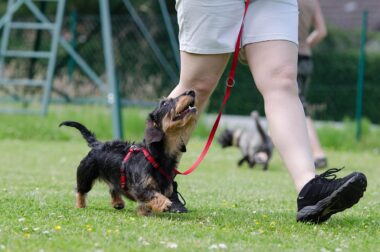
Dog training obedience kits often comprise a variety of useful tools that aid in teaching essential commands and behaviors. These kits typically include items such as clickers, which emit a sound when the dog performs the desired action, reinforcing positive behavior. Also common are training leashes which help maintain control during walks, especially in distracting environments. Harnesses are another critical piece of equipment; they provide comfort while ensuring the dog doesn’t pull excessively. Furthermore, training bowls and mats can be included, acting as designated areas for feeding and rest. Among the popular tools are agility equipment, which helps develop physical coordination and confidence. Training whistles are helpful for long-distance commands, allowing clear communication. For more specialized needs, some kits contain calming aids, such as anxiety wraps, to help nervous dogs focus during training. Investing in a comprehensive obedience training kit can transform your approach to training, making sessions interactive and effective. Additionally, it’s essential to choose equipment that suits your dog’s specific needs and training goals.
When selecting the right obedience kit, it’s crucial to consider various factors such as the dog’s age, temperament, and previous training experience. For young puppies, lighter clickers and shorter leashes are usually appropriate. Older dogs may require sturdier harnesses and longer leashes for better control. It’s advisable to research different products, reviewing customer feedback and product specifics to ensure durability and effectiveness. Proper fit is essential, especially for collars and harnesses, which should not be too tight or too loose. They should provide comfort while serving their purpose of control and safety. Moreover, it’s beneficial to consult trainers or specialists who can provide recommendations tailored to your dog’s personality. Some kits even come with instructional guides or online resources to maximize their use. Training should be a fun and engaging experience for both the owner and the dog, promoting a bond based on trust. Integrating various training tools appropriately can enhance learning outcomes and reduce frustrations that often accompany the training process. Adapting the approach based on individual needs will yield the best results in obedience training.
Key Components of Dog Training Obedience Kits
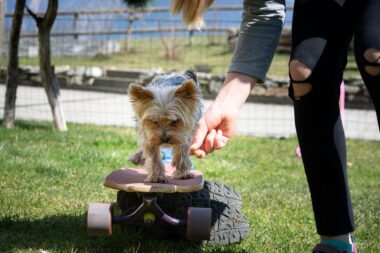
One of the standout features of dog training obedience kits is the inclusion of variety, ensuring comprehensive coverage of training needs. Training clickers, for instance, are crucial tools that allow pet owners to effectively communicate with their dogs through sound cues. These simple devices are great for marking the moment a dog accomplishes a desired behavior, making it clear to the dog which actions are rewarded. Many kits also offer treats dispensers to facilitate positive reinforcement associated with these training moments, ensuring a reward system that encourages dogs to repeat good behaviors. Additionally, some kits feature instructional DVDs or brochures, which provide guidance for new pet parents on how to implement training techniques effectively. Agility tunnels or weave poles help improve a dog’s confidence, providing an outlet for physical energy while learning to follow commands. Furthermore, the presence of specialized collars can assist in managing barking, allowing for a more peaceful home environment. It is vital to evaluate what components are necessary for your dog’s specific learning plan when choosing the right obedience kit.
Maintaining consistency during training sessions is another crucial aspect of using obedience kits effectively. Using the same commands and cues encourages the dog to link behaviors with results, solidifying their learning process. Additionally, repetition is key, so regular sessions should be scheduled to reinforce the teachings from the kit. Keeping training fun yet structured helps foster a positive environment. Owners should aim for short but frequent training periods to maintain their dog’s attention and enthusiasm. This approach supports better outcomes compared to longer, less frequent sessions, which may lead to fatigue and disengagement. Furthermore, varying the location of training can keep the dog stimulated and adaptable to different environments. Gradually increasing the level of difficulty within training sessions also helps challenge dogs in healthy ways. For instance, owners might start training in a quiet room and later transition to busier, outdoor spaces. Using the right equipment during these varying conditions enhances the training experience, fostering growth in both the dog’s behavior and the owner-dog relationship. Choosing the right dog training obedience kit positions both parties for success.
Choosing Quality Dog Training Gear
Choosing quality dog training gear should be a priority for pet owners seeking effective obedience training. It ensures not only the longevity of the equipment but also the safety and comfort of your dog. Investing in reputable brands, recognized for their commitment to pet well-being, can make a significant difference in training outcomes. Test tools for usability; for example, a clicker should easily fit in your hand for prompt usage. Harnesses should adjustable and padded to prevent chafing while still providing security. Moreover, when investing in training leashes and collars, opt for materials that endure wear and tear but are still gentle on your pet’s skin. Essential features of these products include durability, functionality, and comfort. Reviews and recommendations from other dog owners can guide buyers to make informed decisions. Furthermore, many companies offer warranties or satisfaction guarantees, providing peace of mind if the product doesn’t meet expectations. Quality gear lays the foundation for successful training, allowing for the construction of a solid bond between you and your furry friend.
Utilizing dog training obedience kits efficiently can avail substantial improvements in your dog’s behavior and responsiveness. Training offers both physical and mental stimulation, necessary for a dog’s overall well-being. Structured training sessions cultivate discipline, enhance communication between dog and owner, and create opportunities for positive interactions. A well-trained dog is much happier; they gain confidence through mastering commands, whether simple or complex. Furthermore, these improvements can significantly benefit social interactions, preventing behavioral issues when encountering new situations or unfamiliar dogs. Ongoing training is a lifelong commitment; even after achieving basic obedience, dogs may require periodic refreshers to maintain their skills. Consistent engagement in activities can help stave off boredom, which can lead to undesired behavior from dogs. The inclusion of games within training not only reinforces learning but also builds upon the dog’s problem-solving skills. Some obedience kits even offer game-like setups, allowing dogs to engage in challenging activities that require them to think critically. Reinforcing trained behaviors through play builds retention and trust in the owner’s guidance, ultimately leading to a well-behaved companion.
Conclusion
In conclusion, investing in a dog training obedience kit can enhance training experiences drastically and support the development of a well-behaved pet. Each component within the kit serves a purpose, instilling critical skills and behaviors that will enrich both the dog’s and owner’s life. From clickers to agility equipment, these training tools play essential roles in teaching commands effectively. Choosing quality products ensures safety and durability, while tailoring the approach to the dog’s needs fosters an effective learning environment. Moreover, consistency, patience, and positive reinforcement will make a substantial difference in outcomes. Ultimately, the bond created through successful training can lead to a deeper connection and understanding between you and your furry friend. Maintaining an enjoyable, engaging training process reduces frustrations and furthers cooperation. An obedient dog is a happy dog, and the time spent training strengthens the relationship without question. As such, dog owners should be proactive in discovering the best resources and techniques for obedience training. By doing so, they can ensure their furry companions reach their full potential.
Every dog deserves the opportunity to learn and grow in a supportive and structured environment. This significantly influences their behavior in public and at home, setting the stage for future interactions. Make training fun and rewarding to keep the dog motivated to learn throughout its life. With the right training tools, knowledge, and approach, every pet can master essential commands and behaviors. The dog training obedience kits available today innovate new ways to engage pets, combining technology and traditional techniques for optimal results. Ultimately, each training session becomes an avenue for bonding, teaching, and understanding each other better. This understanding paves the way for a lifelong partnership filled with love and respect, making both life and training enjoyable for both the dog and owner. Dogs thrive on routine; therefore, regular practice is the key to success. No matter the challenges faced, persistence and positivity will yield rewarding experiences for you and your pet. As you see improvements, celebrate milestones, reinforcing not just good behavior but also the joy of training together. The journey ahead promises to be a fulfilling adventure when approached correctly.