
Best Lenses for Capturing Cats in Low Light Conditions
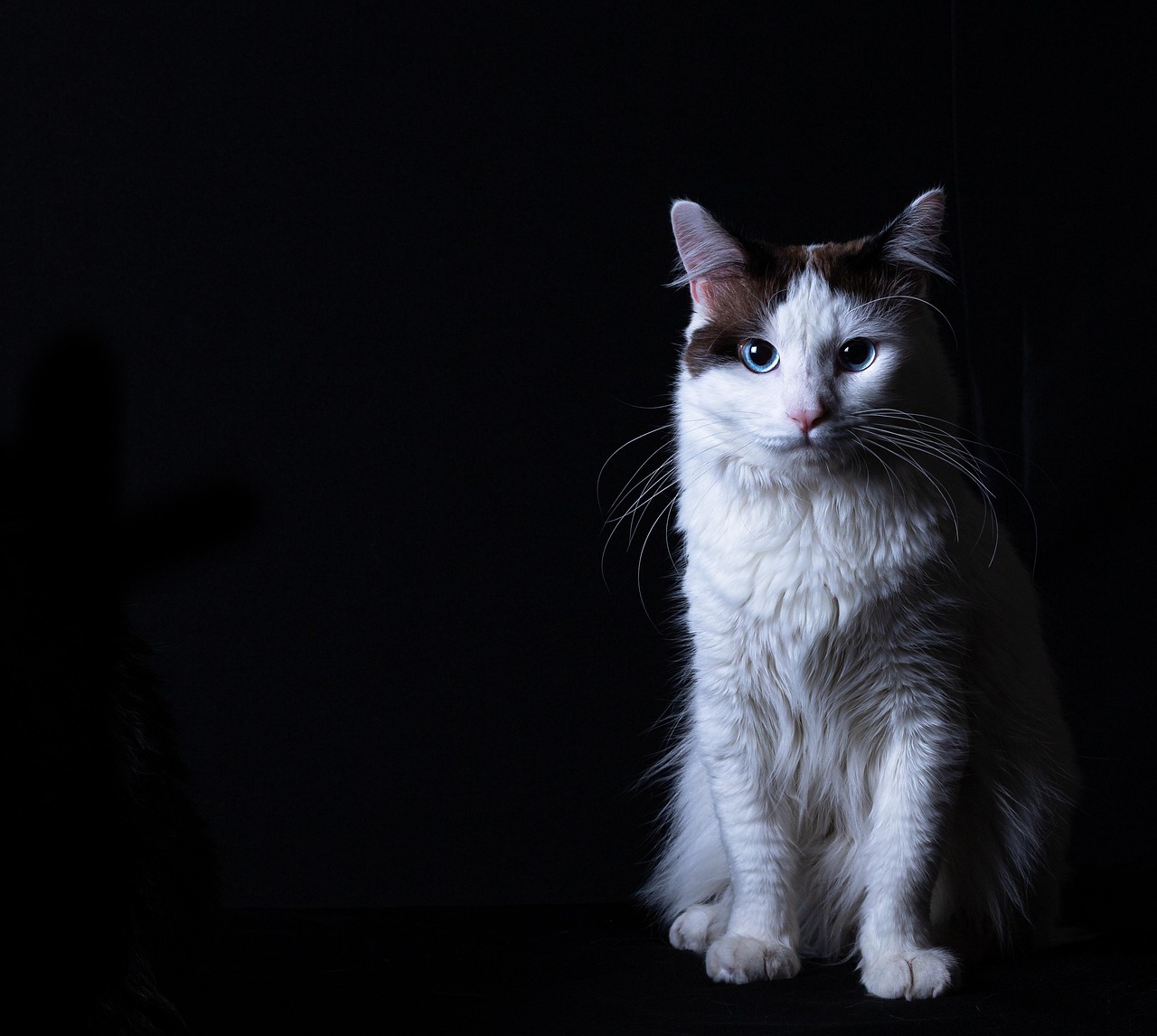
Photographing cats in low light can be a rewarding yet challenging experience. The right lenses play a crucial role in this endeavor. Understanding your options is essential to achieving stunning images of your feline friend, especially in dimly lit areas. Many photographers struggle when the lighting conditions are inappropriate, leading to grainy images. Thus, selecting a lens with a wide aperture, such as f/1.8 or f/2.8, allows more light to enter, ensuring your pictures are bright and clear. Typical choices include prime lenses and fast zoom lenses. Prime lenses offer excellent sharpness and are often more affordable, while zoom lenses provide versatility, making them ideal for various shooting scenarios. Success in low light also hinges on using a tripod or stabilizing system to minimize shake and blur. Remember that natural light enhances texture and detail, so positioning your cat by a window or in a softly lit space can work wonders. Pan and focus on your subject carefully, and don’t hesitate to experiment with different settings to capture those magical moments. With the right gear, taking high-quality pictures of your cats in low light is entirely achievable.
When considering lenses for low light cat photography, it’s important to evaluate the various types available. First, prime lenses are often favored for their larger maximum apertures and superior optical quality. These lenses typically come with fixed focal lengths which can encourage creativity and improve framing skills. An excellent choice is the 50mm f/1.8, known for its versatility and affordability. It captures sharp images and performs admirably in low light settings. Similarly, consider the 35mm f/1.4 lens that offers a wider angle. Fast zoom lenses are another viable option, combining convenience with varied focal lengths. For instance, a 24-70mm f/2.8 lens stands out for its ability to handle diverse shooting situations while maintaining light intake. This versatility can be especially beneficial when photographing your cats in indoor environments. Furthermore, lenses with image stabilization can further enhance your shots, reducing the chances of image blur due to camera shake. Both types of lenses can yield outstanding results, allowing you to experiment creatively and capture your beloved felines under varying lighting conditions.
Considerations for Lens Selection
Choosing the perfect lens for capturing cats in low light involves considering several important factors. Aperture plays a significant role, as wide apertures like f/1.8 allow maximum light entry. This characteristic ensures better performance in low-light conditions, sharp focus, and beautiful bokeh effects in your photos. Additionally, where you typically photograph your cat influences your choice. If you often shoot in confined spaces, a wider lens, like a 24mm, might help you fit your subject into the frame effectively. Yet, for more dynamic scenes, a telephoto lens, such as a 70-200mm f/2.8, can provide the necessary reach to capture candid moments without intruding on your pet’s space. Consider the weight and size of your lens, as well; heavier lenses can become cumbersome during long sessions. Compatibility with your camera body is another critical aspect to check before making a purchase. It is advisable to research and opt for reputable brands that specifically cater to low-light photography. Ultimately, the right lens significantly affects your ability to portray your feline friend admirably and authentically.
In addition to lens type and features, exploring potential accessories can greatly enhance your low light photography experience. A quality lens hood can help control lens flare from stray light sources, while protecting your front element from scratches. Similarly, consider using a circular polarizer to reduce reflections and improve contrast, resulting in richer colors and sharper images. When working with unpredictable subjects like cats, investing in a comfortable camera strap is invaluable. It allows you to keep your hands free and your gear secure while ensuring you can react quickly. Furthermore, a sturdy tripod or monopod provides stability to your shots, especially beneficial when using slower shutter speeds in low light scenarios. This equipment not only prevents camera shake but also allows for more creative compositions with long-exposure photography. Finally, explore using a remote shutter release, minimizing any vibration caused by the camera’s mechanical operation, further enhancing image clarity. Experimentation with these tools will help you discover how to capture the beautiful, spontaneous moments of your cats even in less than ideal lighting situations.
Techniques for Success in Low Light
Now that you’ve chosen the right lens, it’s time to apply effective techniques to maximize your low-light photography of cats. First, always set a higher ISO while being cautious not to go too high, as this can introduce noise. In low light, an ISO range of 800-3200 is often acceptable, but your camera’s capability influences this. Next, utilize your widest aperture setting to gather as much light as possible while keeping your subject sharp. However, be mindful of the depth of field; if tight focus is essential, consider stopping down to adjust. Incorporating natural light, particularly during golden hours, adds aesthetic appeal and invokes warmth in your images. Soft, diffused light enhances detail and texture, providing more engaging results. Additionally, try utilizing the shutter speed that corresponds well with the subject’s movement. When photographing cats, a speed of 1/250 or higher is recommended to prevent motion blur. Staying patient and observant helps you capture candid moments, making the experience rewarding as you document your feline friend’s delight in play.
Lighting conditions can vary significantly, thus fostering adaptability in your shooting style is vital for successful low light photography. To help with this, anticipate bursts of activity, as cats can transition from tranquil poses to spontaneous playful acts quickly. This unpredictability requires readiness to capture those pivotal moments. Crouching low on the ground for eye-level shots can create compelling portraits, reflecting your pet’s personality and allowing for charming perspective. Always consider framing your shots creatively based on the available light; remember to explore different angles or use the environment around you. Using objects or surfaces with interesting textures or colors can provide an appealing backdrop. Additionally, play around with reflections—mirrors or glass surfaces can create unique compositions in low light. Also, do not hesitate to review your images frequently. Evaluating what works and what doesn’t helps in making necessary adjustments to your camera settings and technique as needed for the best outcomes. The beauty of digital photography is the immediate feedback it provides, leading to rapid improvement over time.
Post-Processing Tips
Finally, enhancing your low-light cat photographs through post-processing can elevate their visual appeal. Firstly, adjusting exposure and contrast in software like Adobe Lightroom or Photoshop allows you to correct any imbalances caused by dim lighting. You may also wish to fine-tune shadows and highlights to replicate the original ambiance of the scene. Noise reduction is another crucial step; high ISO settings can introduce unwanted grain that detracts from the overall quality of your images. Tools like the noise reduction feature in Lightroom effectively help maintain detail while eliminating distracting noise. Feel free to experiment with color balance and temperature settings as well; shifting these can provide a more natural feel or dramatic style, depending on your artistic vision. The addition of slight cropping can assist in focusing on your subject more effectively and improving the overall composition. Remember to save alternate versions of your edits to retain various styles for future references. Through thoughtful post-processing techniques, you can truly showcase the enchanting moments captured with your feline companions, making every image a cherished memory to treasure.
In conclusion, capturing cats in low light conditions may appear daunting, yet with the right lenses and techniques, amazing images are possible. Prioritize finding the correct equipment that allows you to fully explore your creativity and document your pet’s personality. Lenses with wide apertures, prime or fast zooms, enable flexibility while ensuring quality results in low light. Em bracing techniques like adjusting ISO settings, deploying natural light, and improving framing influences not only the photos you capture but your overall photography journey. Additionally, supplement your setup with accessories and gear adaptations tailored for specific shooting scenarios—such preparation enhances your effectiveness as a photographer. Artfully edit your images to punctuate their qualities and overcome low-light challenges. Ultimately, every setting provides an opportunity for growth, learning, and creativity. Each session with your furry models can lead to delightful surprises, so practice patience and persistence in honing your craft. As you enhance your skills and experiment with various techniques, each photograph reflects the unique connection with your feline companions, producing lasting memories along the way.