
Exercise and Diet: A Combined Approach to Prevent Canine Obesity
Canine obesity is a significant issue affecting dogs globally, leading to various health problems that can shorten their lifespan. The role of exercise alongside diet in managing canine obesity is crucial for maintaining a healthy weight. Regular physical activity helps burn calories and maintain muscle mass, which can prevent excessive weight gain. It’s essential to understand that merely providing a balanced diet is insufficient; dogs require regular movement and engagement in activities that stimulate them both physically and mentally. Creating a fun and exciting exercise routine can help keep dogs motivated and engaged. For instance, incorporating daily walks, playtime with toys, and even agility training can significantly improve their fitness levels. Pet owners should strive to dedicate time each day for physical activities, which encourages continuous engagement. Additionally, regular exercise can provide mental stimulation, reducing boredom-related behaviors often linked to obesity. These activities not only help prevent obesity but can also strengthen the bond between owner and pet. Ultimately, a comprehensive approach combining appropriate diet, consistent exercise, and regular veterinary check-ups is vital for a healthy and active dog.
The Importance of Regular Exercise
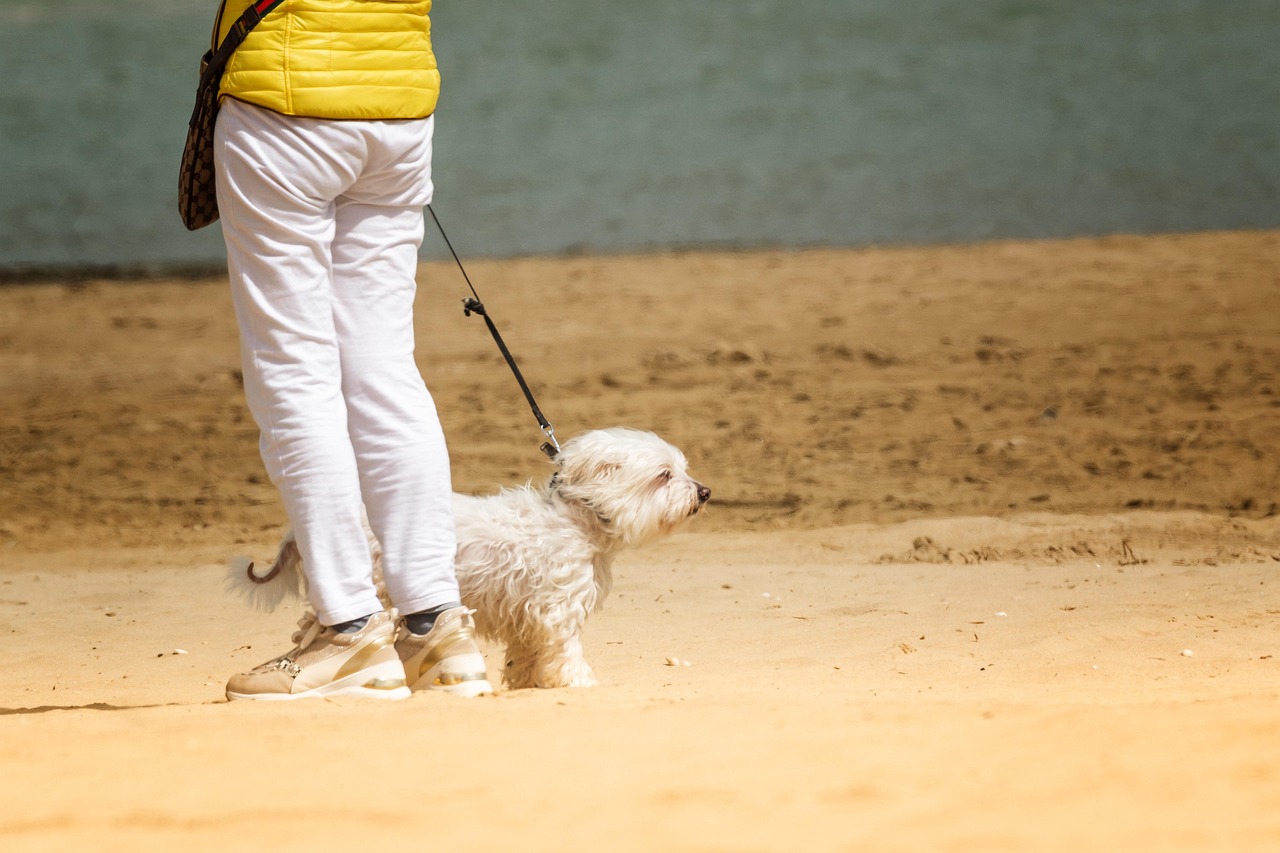
Regular exercise plays a critical role in keeping dogs healthy and mitigating the risks associated with obesity. Like humans, dogs necessitate regular movement to stay fit and healthy. A sedentary lifestyle leads to weight gain and an array of health issues, including diabetes, heart disease, and joint problems. Various types of exercise can be tailored to fit a dog’s age, breed, and health status. Walking, jogging, swimming, and playing fetch are just a few activities that can be adjusted according to the dog’s energy level. Engaging in at least 30 minutes of exercise each day for most dogs is ideal to help them expend excess energy. Additionally, routine exercise can help prevent behavioral issues caused by pent-up energy. Interactive games such as hide-and-seek or tug-of-war can serve as excellent physical activities while simultaneously strengthening your dog’s mental acuity. Owners should also consider group classes or playdates with other dogs for social engagement, promoting a healthier lifestyle. Lastly, maintaining exercise as part of the daily routine fosters good habits in both dogs and owners, creating a consistent lifestyle focused on health.
An essential component of a dog’s weight management is the consideration of their dietary needs along with exercise. Monitoring what dogs eat is vital; providing nutritious food helps maintain healthy body weight. Dogs thrive on a balanced diet rich in proteins, fats, and carbohydrates, tailored to their specific needs according to age, breed, and activity level. Always consult with a veterinarian to determine the best diet. Providing appropriate portions can prevent overeating, ensuring that they receive the necessary nutrients without excessive calories. Additionally, considering quality over quantity is crucial. High-quality dog foods usually contain more nutrients and less filler material, assisting dogs’ weight management. Owners may also explore the option of home-cooked meals, ensuring they meet the nutritional guidelines necessary for a balanced diet. Regular feeding schedules can reduce begging behavior and control hunger pangs throughout the day. Furthermore, employing healthy treats as rewards for exercising or training sessions can positively reinforce good behavior. All these dietary considerations paired with regular exercise create a holistic approach toward preventing obesity, ensuring that your dog achieves optimal health.
The Link Between Diet and Exercise
Understanding the relationship between diet and exercise is crucial for preventing obesity in dogs. Both aspects work hand-in-hand to create a balanced lifestyle. While exercise helps burn calories, diet provides the energy and nutrients necessary for those activities. A healthy diet can directly influence a dog’s energy levels, which affects their willingness to engage in exercise. Dogs that receive proper nutrition tend to be more active and playful, naturally gravitating towards physical activities. A combination of quality food and regular exercise helps to maintain a healthy metabolism, which is critical in weight management. It also fosters a sense of alertness and vitality, enabling dogs to enjoy their activities more. Owners should pay close attention to the ingredients in dog food, avoiding those laden with fillers and artificial additives. Implementing a routine that combines feeding and exercise can create a balanced lifestyle that helps prevent obesity. For example, feeding before a walk may encourage more vigorous activity afterward. Keeping up with a consistent routine can help dogs remain fit while also supporting their overall well-being through emotional satisfaction and contentment.
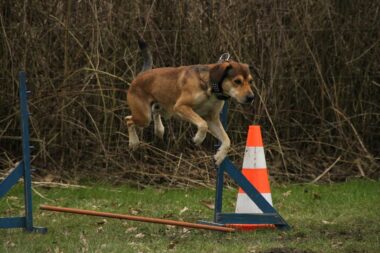
Engaging in a variety of exercise types is essential for maintaining a dog’s interest and enthusiasm towards fitness. Dogs like to explore, play, and discover new things, meaning that trying different activities can keep exercise fresh and exciting. Incorporating diverse activities—such as agility courses, swimming sessions, and group play dates—can provide firm physical and mental stimulation. When dogs face boredom, their motivation may decrease, leading to inactivity, which can consequently result in weight gain. By mixing their routine, owners can prevent these issues while ensuring ongoing enjoyment in their dog’s exercise regimen. Additionally, varying the intensity and duration of the exercise can cater to different energy levels and stamina amongst dogs. Providing short yet high-energy activities can be suitable for older dogs that may tire quickly. Conversely, younger dogs often require longer, more intense exercises to keep their energy levels in check. Furthermore, adapting exercise routines to weather conditions can help keep things interesting. Dogs can enjoy outside adventures, which further encourages overcoming seasonal challenges. Overall, enriching exercise routines contribute immensely to preventing obesity while promoting a healthy pet lifestyle.
Beyond Physical Activity
While physical activity is crucial, mental stimulation also plays an integral role in preventing canine obesity. Dogs require mental engagement alongside physical exercise to stay healthy and content. Interactive toys, puzzles, and obedience training can stimulate their minds and keep boredom at bay. If dogs do not receive sufficient mental challenges, they may resort to overeating as a means of entertainment. Incorporating mental exercises like training sessions, teaching new tricks, or utilizing scent work can improve focus and agility. Consequently, such activities have the potential to enhance overall well-being, positively affecting their weight management. Owners should aim to integrate playtime with mental challenges, creating a holistic approach to their pet’s health. Mental stimulation can often tire dogs as much as physical exercise, fostering a balanced life. These mental exercises can readily be added to daily routines, ensuring that dogs receive all-around engagement. Moreover, keeping dogs active mentally can improve their behavior at home, creating a more peaceful living environment. This integration of mental and physical stimulation helps combat obesity, promoting a well-rounded, healthy life for dogs.
Lastly, regular veterinary check-ups are essential components in the battle against canine obesity. They offer critical insights into a dog’s health status and allow for necessary dietary and exercise recommendations. Vets can assess an individual dog’s weight, help owners set achievable weight loss goals, and suggest exercise plans tailored to each pet’s needs. Moreover, veterinarians can identify any underlying health issues contributing to weight gain, ensuring proactive management. Owners should also establish open communication with their vet, particularly if they notice any drastic changes in behavior or weight. Veterinary guidance is invaluable in creating personalized exercise and diet plans that help prevent obesity. Ensuring that these check-ups occur periodically can help monitor their dogs’ progress and adherence to schedules. Preventative healthcare significantly contributes to a dog’s longevity while aiding in sustaining a healthy lifestyle. Through a combination of veterinary support, exercise, and proper nutrition, dogs can achieve and maintain optimal weight. This comprehensive plan prevents obesity, promotes a happy, healthy life, and enhances the bond between pets and their caregivers in striving for mutual well-being.