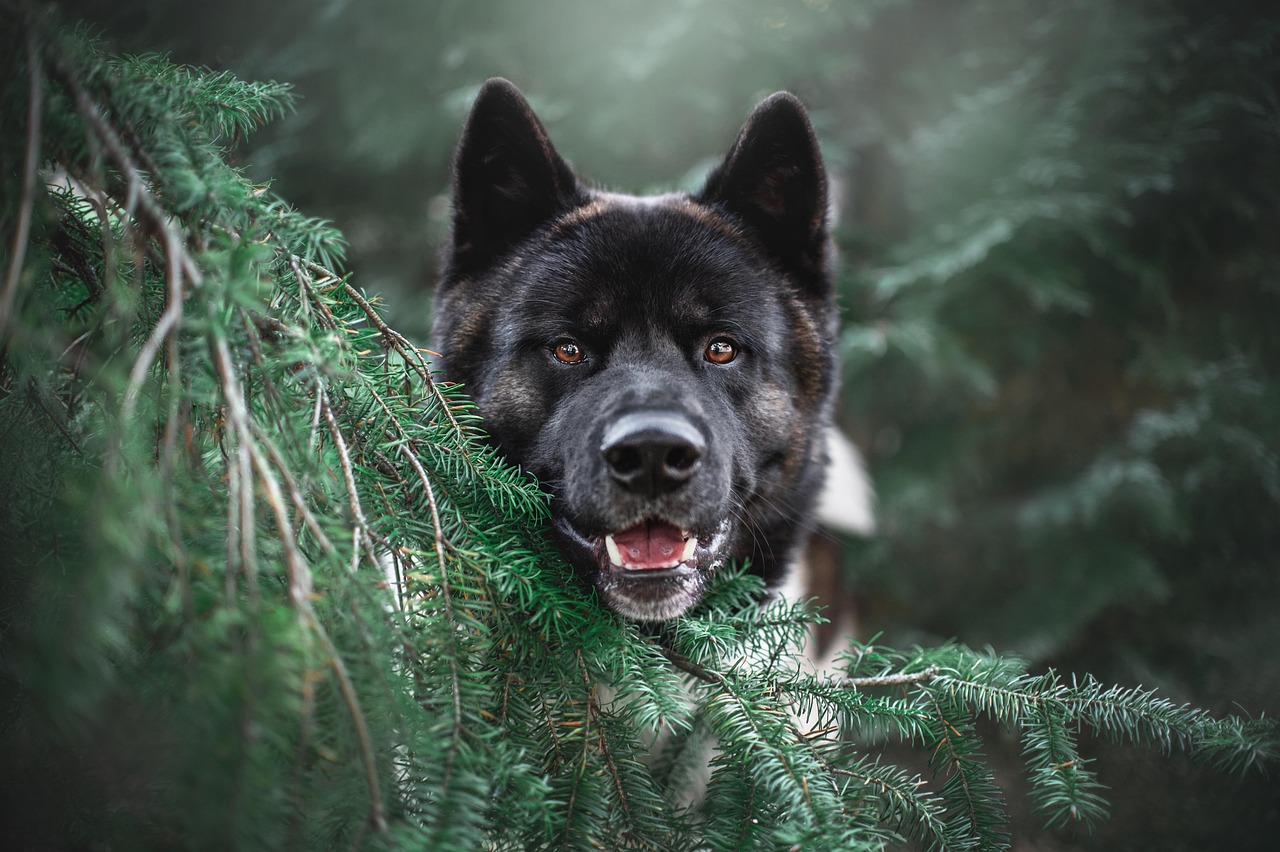

How to Care for Your Akita: Essential Tips
Caring for your Akita requires understanding their unique needs and characteristics. Akitas are large, powerful dogs with a strong sense of loyalty, which means they thrive on a consistent routine and socialization. One of the first steps to successful Akita ownership is socializing them from an early age. Expose your Akita to different people, environments, and other dogs to shape their behavior positively. Basic obedience training is vital; consider enrolling in a class to reinforce commands. Additionally, investing time in regular exercise is essential. Daily walks, playtime, and mental stimulation will keep your Akita happy and healthy. Always remember that these dogs have a strong prey drive, so keeping them leashed during walks is necessary. Alongside physical care, mental engagement is crucial; puzzle toys or training games can prevent boredom. Overall, an Akita may present challenges, but with patience and dedication, they bring immense joy and companionship into your home. Understanding their behavior, ensuring health check-ups, and providing a balanced diet should become routine for every Akita owner for a rewarding experience.
Feeding your Akita a balanced diet is another vital component of their care. This breed has specific nutritional needs due to its size and energy level. It’s essential to choose high-quality dog food formulated for large breeds to ensure your Akita receives all the nutrients necessary for optimal growth and health. Consult with your veterinarian to determine the appropriate portions based on your dog’s age, weight, and activity level. Some Akitas can be prone to obesity, so regular weight checks are important. Additionally, consider incorporating healthy treats in moderation to avoid overfeeding. Ensure that your Akita has access to fresh, clean water at all times, which plays a crucial role in maintaining their overall well-being. Alongside proper nutrition, routine feeding schedules will help with digestion and prevent any digestive issues. Avoid giving your Akita table scraps to discourage begging behavior and keep their diet balanced. Lastly, always read ingredient labels to avoid any harmful fillers or ingredients that could lead to allergies or other health problems. Quality nutrition is an essential part of nurturing a healthy Akita.
Grooming and Maintenance for Your Akita
Regular grooming is an essential aspect of caring for your Akita. This breed has a double coat that sheds, particularly during seasonal changes. Therefore, it is recommended to brush your Akita at least once a week to keep their coat healthy and to minimize shedding around your home. During shedding seasons, increasing the brushing frequency can greatly reduce fur accumulation. Bathing should be done sparingly, as over-bathing can strip natural oils from their coat. Instead, focus on wiping down your Akita with a damp cloth when necessary. Regularly check their ears for debris or wax buildup, as Akitas are prone to ear infections. Dental hygiene is also critical; consider brushing their teeth several times a week to prevent dental disease. Providing appropriate chew toys can also benefit oral health. Nail trimming is another crucial grooming task, as overgrown nails can cause discomfort. Keeping your Akita well-groomed not only helps with hygiene but also strengthens the bond between you and your dog. With consistent grooming, your Akita will be healthy and look great.
Understanding the unique health needs of your Akita is essential for longevity. This breed can be predisposed to certain health conditions, such as hip dysplasia, autoimmune disorders, and thyroid problems. Regular veterinary check-ups should be part of your Akita’s care routine, ensuring early detection and treatment of any potential issues. Regular vaccinations, flea and tick prevention, and heartworm tests are crucial in maintaining good health. New owners should be aware that Akitas are known to be stubborn sometimes, which can complicate training. Therefore, working with professional trainers can enhance your dog’s behavior. Moreover, maintaining a healthy weight is critical; always monitor their food intake and adjust accordingly. Adding joint supplements may be beneficial, particularly for aging Akitas or those exhibiting joint issues. Consider enrolling your Akita in canine physical therapy if they show signs of discomfort while moving; professional advice will provide the best solution. Implementing a proactive approach to health can greatly contribute to the well-being of your beloved friend, ensuring they remain lively and active for years.
Understanding Your Akita’s Temperament
The Akita is known for its strong and independent temperament, which can often be mistaken for stubbornness. Proper understanding of their nature can significantly enhance your relationship. Socialization from a young age is essential to shape a well-behaved adult dog; isolated Akitas may develop aggressive tendencies or fearfulness. When introducing your Akita to new experiences or people, go slowly and offer positive reinforcement to create pleasant associations. These dogs are incredibly loyal and protective, making them excellent family pets, but they need firm and consistent training to establish boundaries. Early exposure to different animals can help them learn how to appropriately engage with other pets. Bravery is a part of their character; they can react strongly to perceived threats, making obedience training crucial. Engaging your Akita in various activities, such as agility or obedience training, will keep their minds stimulated and foster good behavior. Remember that while Akitas are serious and reserved, they have an affectionate side. Providing them with plenty of love and attention will create a lasting bond between you and your Akita.
Creating a safe and comfortable environment is crucial for your Akita’s happiness. Ideally, they should have access to a spacious yard or an area where they can roam freely while ensuring the perimeter is secure. Akitas require safe boundaries to prevent them from wandering too far. It is important to remember that they are known to be escape artists. When outdoors, supervise your Akita at all times and ensure they are in an enclosed area. Inside your home, designate a cozy space for your Akita to relax; it could be a dog bed or a quiet corner. Keeping this area free of disturbances will allow your dog to feel secure. Consider adding toys that allow for independent playtime, as this breeds brain engagement. Train your Akita to be comfortable being alone for periods, gradually increasing the time away. This training helps to minimize separation anxiety and encourages a sense of independence. A calm and secure environment will help your Akita flourish, allowing them to thrive alongside you as a nurturing family member.
Conclusion: A Lifelong Commitment
Caring for an Akita is a lifelong commitment that involves understanding their unique needs and characteristics. From proper nutrition and grooming to training and socialization, your involvement directly impacts their happiness and well-being. Owners should prepare for the challenges that may arise while also embracing the joys that come with their strong and loyal companionship. As they age, your Akita’s requirements will change, emphasizing the need for continued education about breed-specific issues. Engaging with a community of Akita lovers can provide valuable insights and tips. Remember that establishing a routine is beneficial; it provides consistency in your Akita’s life. Community resources, such as local dog parks or training classes, can aid in meeting your dog’s socialization needs. Lastly, never overlook the emotional aspect of pet ownership. Your Akita will thrive on your love and attention. By dedicating yourself to understanding and embracing all the nuances of Akita care, you will undoubtedly cultivate a rewarding relationship, filled with loyalty, love, and companionship that lasts for years. Your Akita will cherish this bond.
This concluding paragraph serves as a summary that reaffirms the commitment to caring for an Akita. The journey of an Akita owner is filled with challenges, but they are outweighed by the joys of companionship. Reflect on the importance of daily routines and adapting as needed for the breed’s specific needs. Playfulness and affection will strengthen your bond, making you reliant on understanding their temperament. Never hesitate to ask for help from professionals or other owners if struggles arise. Dogs provide unconditional love and look to their owners for guidance. Explore activities that will entertain them while meeting their physical and mental needs, essential for a healthy balance. Ultimately, an Akita thrives on love, connection, and a structured lifestyle. The responsibility of ownership is significant, but you’ll learn and grow alongside your furry friend. Your Akita will become not just a pet but a cherished family member, enriching your life in countless ways. Embrace the journey, and you will foster a wonderful relationship for years. Remember, investing time and energy now will yield a lifetime of joy.