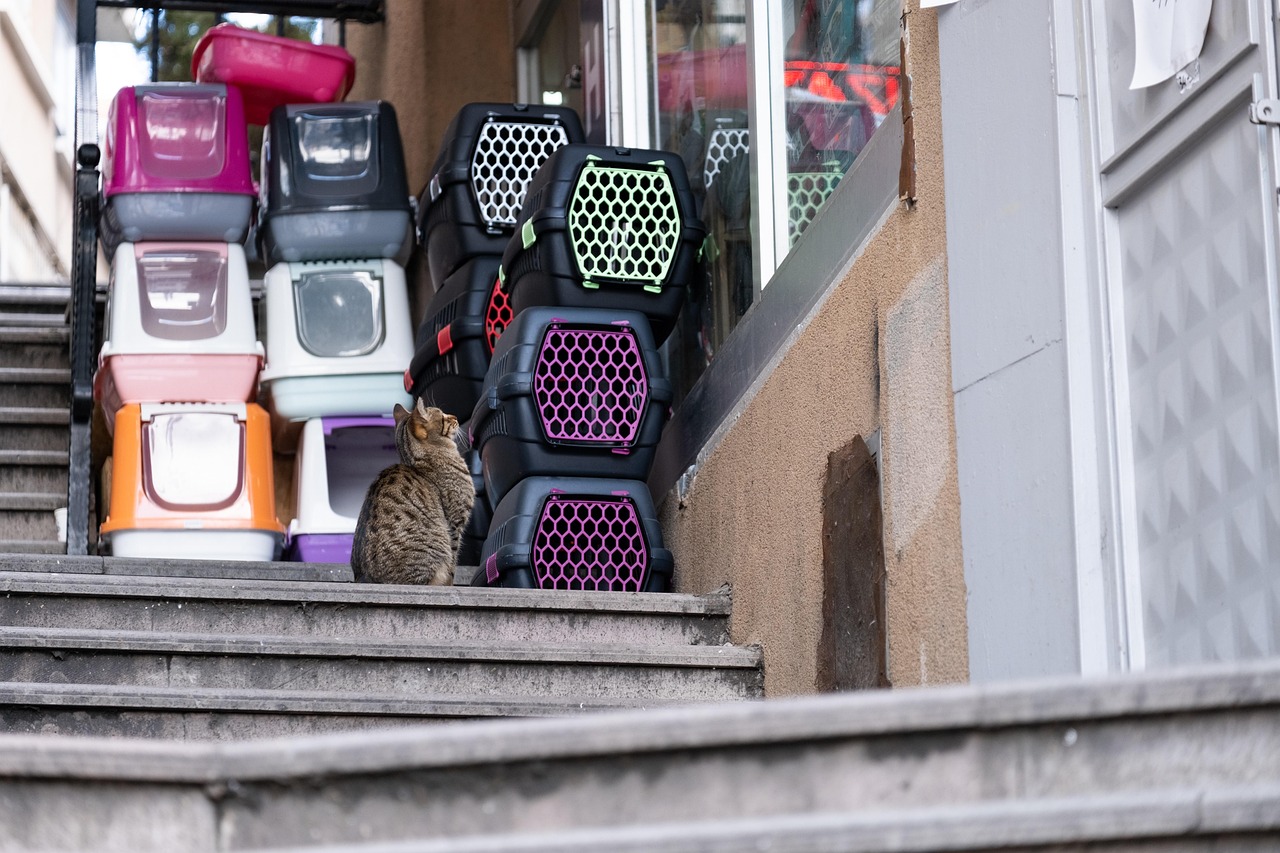

How to Introduce Your Cat to the Travel Carrier
Introducing your cat to a travel carrier can seem daunting, but with the right approach, it can be a smooth process for both you and your feline. Start by choosing a sturdy, well-ventilated carrier that your cat will feel comfortable in. Place the carrier in an area where your cat regularly spends time, allowing it to explore the new addition at its own pace. Use familiar scents by placing a blanket or toy inside the carrier to create a sense of security. Initially, leave the door open and encourage your cat to approach the carrier freely without any pressure. Positive reinforcement is key; when your cat ventures close or steps inside, offer treats or praise. Establishing a routine plays a significant role as well; spend time near the carrier during playtime or feeding. Gradually, your cat will associate it with positive experiences. Monitor their reactions closely, and do not rush the process. Patience is vital. Prepare your cat for the upcoming travel and approach the situation with a relaxed attitude, which will help alleviate any stress for both you and your pet.
Once your cat seems comfortable around the carrier, it’s time to take the next step—getting your cat to enter the carrier willingly. You can assist this transition by using treats to coax them inside; cats are motivated by food! Place treats just inside the entrance of the carrier, gradually moving them further inside as your cat gets more comfortable. Be sure to keep the atmosphere relaxed. Speak to your cat in soothing tones and avoid forceful methods. It’s important to remember that a positive experience will help your cat feel more secure during travel. If your cat remains hesitant, consider allowing them to explore the carrier during playtime, creating a light-hearted environment around it. Keep the carrier out in your home even after your cat seems comfortable—this will prevent it from becoming a source of anxiety when it’s time to travel. Consistency is crucial; try to incorporate the carrier into your daily routine. After repeated exposures and the application of positive reinforcement, your cat should begin to see the carrier as a safe space rather than a daunting one.
Gradual Desensitization
Gradually desensitizing your cat to the carrier is an effective strategy when preparing for travel. Start by allowing your cat to explore the carrier without the pressure of travel. Instead of forcing them, let them approach on their own terms. Encourage them with their favorite toys or treats placed inside. This process may take time, as some cats are naturally more apprehensive. As they become comfortable, consider closing the door for short intervals while they are inside. Always ensure this is accompanied by praise and treats to reinforce positive associations. If your cat demonstrates signs of anxiety such as vocalizing or scratching, it’s best to backtrack. Remain calm and patient, giving them space and time to acclimate. You can also practice short trips around the house or to your car without going anywhere to further familiarize your cat with the carrier. Use these experiences as opportunities to reassure your cat, maintaining a peaceful demeanor throughout. Over time, your cat will develop a connection to the carrier that reflects comfort and safety instead of fear. This continuity will greatly aid in reducing travel-related stress.
Another important consideration when introducing your cat to the travel carrier is the environment. During the introduction phase, ensure that the area is quiet and free from distractions that could startle them. This will help your cat feel relaxed and more likely to explore the carrier. Additionally, avoid introducing loud noises like vacuum cleaners or sudden movements. Instead, incorporate soft background music or calming pheromone sprays designed for pets, as these can help soothe anxiety. Always be aware of your cat’s body language. Signs of stress include hissing, growling, or an unwillingness to approach the carrier. If you observe these behaviors, stop the introduction and give your cat some space. Reinforce calm behavior by offering a snug retreat; for instance, place a cat bed nearby as an alternative safe zone. Gradually reintroducing the carrier later can yield better results. Use these quiet, calm moments to help create positive associations with the carrier, making it feel like a safe haven rather than a confinement. In this way, the carrier can be reintegrated into your cat’s life as a beneficial asset rather than a threat.
Practice Makes Perfect
As with any behavioral training, practice makes perfect when introducing your cat to the travel carrier. Frequent, low-pressure interactions with the carrier will build familiarity and comfort. Try to include the carrier in your daily routine; for instance, you can use it as a cozy space for your cat to relax, especially when filled with a soft blanket or their favorite toys. Let them take small naps in the carrier or enjoy supervised play inside it. The idea is to create a series of positive experiences associated with the carrier. If possible, have your cat spend time in the carrier without the intention of travel; this approach will help eliminate apprehension during real travel. While on a schedule of practice sessions, remember to keep each experience short and positive. Consider rewarding your cat each time they enter, thus reinforcing their willingness. Maintain a casual and encouraging atmosphere, ensuring that your cat sees the carrier as something enjoyable. This continued practice will not only prepare your cat for the physical journey ahead but will also contribute significantly to their emotional well-being.
As travel day approaches, ensure your cat is completely accustomed to the carrier to reduce anxiety as much as possible. It can help to take your cat on short, successful outings in the carrier leading up to your trip, gradually increasing the duration of these excursions. Monitor your cat’s behavior during these short trips; if they exhibit calmer behavior, it’s an excellent sign. Before the actual travel date, familiarize your cat with the sights and sounds they might encounter during your journey. During these outings, feel free to reward your cat each time they behave well in the carrier setting. Consistency and positive reinforcement will reinforce their confidence with the carrier over time. Additionally, try not to wait until the last minute to introduce the carrier; starting early will help alleviate any last-minute rush or panic for both of you. When travel day comes, ensure the carrier is comfortable and secure, filled with familiar items. This way, your cat will associate the carrier with security instead of trepidation. Plan for breaks and water during travel and ensure their safety. As an outcome, your cat can become a seasoned traveler enjoying new adventures.
Conclusion
To conclude, preparing your cat for travel by introducing them to a carrier involves patience, gradual desensitization, and positive reinforcement. By taking the time to create a safe and enjoyable association with the carrier, you ensure that your cat is more likely to cooperate when it’s time to travel. Focus on ensuring each step is met with encouraging experiences, rewarding your cat for even the smallest accomplishments. Understanding your cat’s body language and comfort levels will be essential throughout this process; fostering trust by respecting their needs will lead to a smoother transition. Always remain calm during this journey, as a relaxed owner contributes to a relaxed cat. Ideally, these practices not only make travel easier for you but can create lasting positive associations for your cat, making them look forward to future adventures. Gradual introduction will provide your cat with the confidence to navigate the world outside the home safely. Ultimately, with dedication and love, you can become a great travel team, exploring new places together. Safe travels are just around the corner as you embark on this journey with your beloved feline companion.