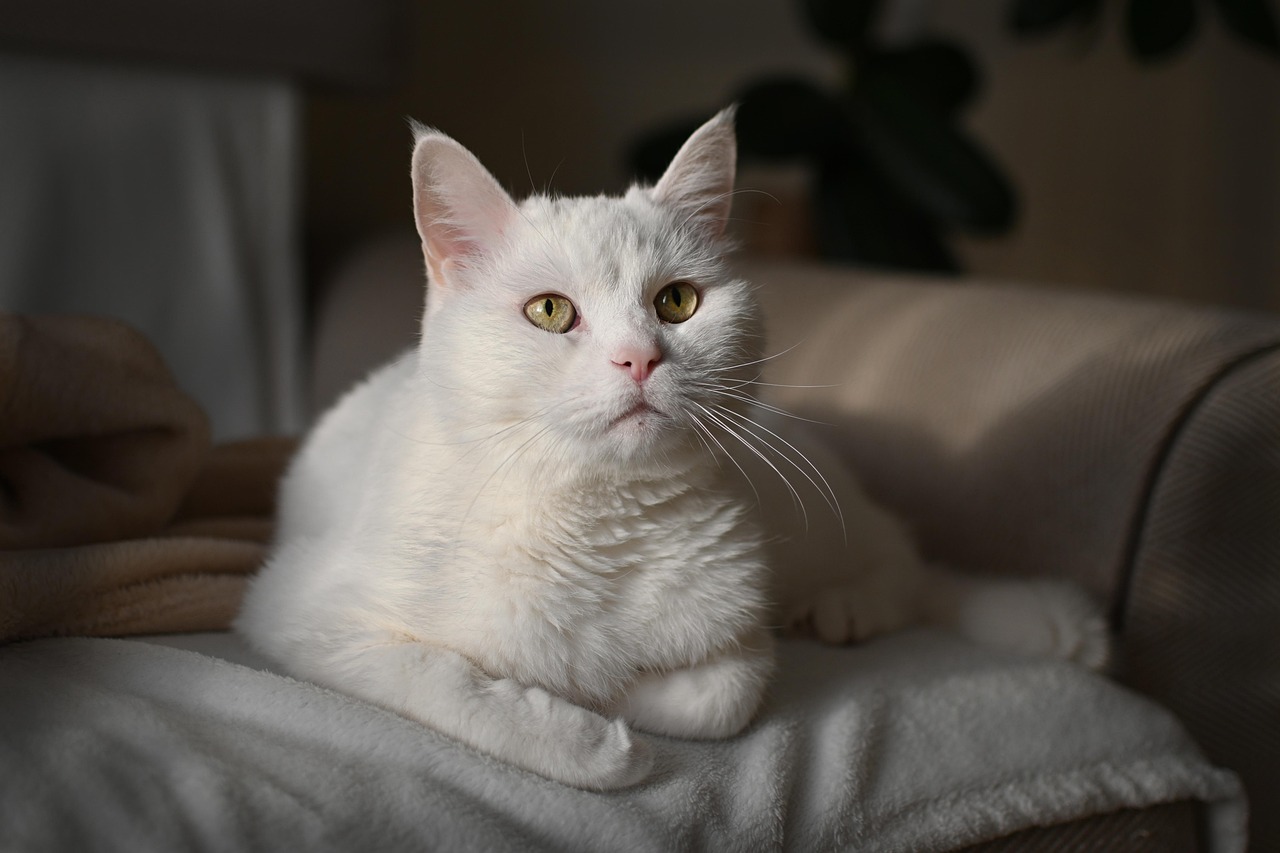

Indoor vs Outdoor Cats: Ensuring Maximum Safety for Your Feline Friend
When considering the safety of your furry companions, the debate between indoor and outdoor living is crucial. Indoor cats are generally less exposed to dangers such as traffic, predatory animals, and hazardous environments. Setting up a safe indoor space allows your cat to thrive, creating an environment that promotes mental and physical health. Furthermore, providing vertical spaces such as cat trees can significantly enhance your cat’s happiness by allowing them to climb and observe their surroundings safely. Another important aspect is the enrichment of indoor spaces, including toys, scratching posts, and interactive playtime. Regular vet visits also enhance safety, allowing for vaccinations and health checks. Comparison with outdoor cats shows higher risk, including accidents and exposure to diseases. Therefore, many opt for keeping their cats indoors while creating an engaging environment. Ultimately, the choice involves balancing risk versus enrichment, prioritizing health and safety to ensure your feline friend leads a fulfilled life. Keeping these factors in mind helps in making informed decisions regarding your pet’s wellbeing.
Outdoor cats, while often more adventurous and exposed to natural stimuli, face significant risks that can threaten their health and safety. One primary concern is the risk of accidents, notably with vehicles, as cars pose a substantial threat in most neighborhoods. Equally concerning are encounters with wildlife or stray animals, which can lead to injuries or transmission of diseases. Parasitic infections from fleas and ticks are also more prevalent outdoors, making regular preventive treatments essential. Although the natural environment is stimulating, it is vital that owners consider the ramifications of outdoor access. In addition, outdoor cats may pose a threat to local wildlife, leading to concerns about ecological balance. Therefore, owners should weigh their cats’ health and the environment while considering outdoor access. Some owners opt for controlled outdoor time, such as a leash or a catio, allowing exploration while mitigating risks. Additionally, regular health check-ups and vaccinations are crucial for outdoor cats to ensure their wellbeing. Ultimately, ensuring their safety requires careful planning and consideration of potential hazards and rewards associated with outdoor exploration.
Making the Indoor Environment Safe
Creating a safe indoor environment for your feline friend is essential for their overall health. First and foremost, it’s important to minimize any potential hazards within your home. Securing windows and balconies can prevent accidental falls while ensuring that houseplants are safe from ingestion. Many common houseplants are toxic to cats, so consulting a list of safe plants is advisable. Additionally, removing small objects that could pose choking hazards or ensuring power cords are out of reach can go a long way in creating a safe space. Another aspect is establishing a proper feeding area free from disturbances, allowing cats to eat in peace. Regular cleaning is equally important to maintain a sanitary environment and prevent infestations, particularly from pests like fleas. Providing various heights and textures through shelves or cat trees can enhance the indoor living experience, catering to their natural instincts. Furthermore, indoor cats should have access to enough stimulation to prevent boredom, such as toys and playtime with their owners. Overall, creating a safe and enriching indoor environment is crucial in safeguarding your cat’s health.
Understanding your cat’s behavior plays a vital role in ensuring their indoor safety. Felines have instinctual desires for exploration and play that can lead them to risky situations if not properly channeled. Engaging your cat through interactive toys or puzzle feeders can alleviate behavioral issues caused by boredom. Spending quality time with your cat not only enriches their life but strengthens your bond as well. Additionally, monitoring their reactions to changes in the household is advisable, as stress can lead to behavioral problems. Ensuring proper scratching surfaces preserves your furniture and provides necessary outlets for your cat’s instincts. Understanding that cats enjoy exploring vertical spaces can lead to arranging cat trees or shelves that allow safe climbing and observation. Utilizing pathways along shelves can also create a stimulating environment. It’s essential to observe your cat’s preferences, adjusting setups to match their behavior for better safety. Moreover, monitoring their social interactions with people or other pets can help in identifying any signs of distress. Overall, understanding and addressing the behavioral aspects of your cat will foster a productive indoor environment.
Outdoor Safety Precautions
If you choose to allow your cat outdoor access, adopting specific safety precautions is imperative. Creating a secure outdoor space, often called a “catio,” ensures that your pet enjoys natural surroundings without exposure to dangers. These structures can range from simple enclosures to elaborate, multi-level environments filled with enrichment features. Without a catio, leash training is an excellent alternative, offering a controlled environment while allowing outdoor exploration. Regardless, it’s important to supervise all outdoor activities to minimize risks associated with pet escapes or encounters with wildlife. Moreover, regular veterinary visits for vaccinations can help prevent illnesses stemming from outdoor exposure. While exercise and mental stimulation are crucial for your cat’s wellbeing, it’s equally vital to maintain legal awareness, including leash laws and local wildlife regulations. Ensuring your cat is microchipped provides peace of mind should they escape or go missing. Many owners opt for collars with tags containing identification details. By following these precautions, you can create a safe outdoor experience that allows your cat the joys of the outdoors while protecting their health and well-being.
Monitoring outdoor time for your cat is just as important as understanding their needs. Cats are curious creatures, and without owners supervising their outings, they may encounter unexpected dangers. Regular timing for outdoor excursions can help in managing your cat’s exposure to potential threats, especially since outdoor time carries inherent risks. Observing your cat’s behavior provides valuable insights on their comfort levels and response to external stimuli. Noticing signs of anxiety or distress can gauge the appropriateness of their outdoor experiences. Additionally, equipping your cat with a harness and leash during outdoor times fosters a sense of security while allowing freedom for exploration. Scheduling outdoor adventures during quieter times of the day, such as early morning or late evening, can also minimize potential risks from other animals or traffic. In some cases, creating a routine can help acclimatize your cat to outdoor activities in a controlled manner. While allowing some freedom, maintaining alertness for potential hazards remains a priority. Ultimately, consistent monitoring and gentle guidance encourage happy and safe outdoor experiences for your feline companion.
Conclusion: The Best of Both Worlds
In conclusion, the debate between indoor and outdoor living for cats hinges on safety, health, and enrichment needs. Cats can have fulfilling lives as indoor pets, provided their environment is stimulating and free from dangers. Indoor setups with diverse toys and activities help emulate a natural habitat while protecting from hazards found outdoors. However, controlled outdoor access can cater to their adventurous spirit, enhancing their quality of life. The ultimate goal is to create a balanced approach that incorporates safety precautions with opportunities for exploration. Offering time in secure spaces paired with stimulating indoor environments can ensure your cat leads a well-rounded life. Adopting necessary precautions will provide the health benefits they require while satisfying their innate curiosity. As a responsible pet owner, blending both realms allows for a fulfilling experience for your feline friend. Implementing strategies outlined will ensure robust health and a happy disposition. With careful planning and awareness of risks or enrichment opportunities, pet owners can provide a thriving life for their beloved cats.
Socialization, training, and consistent monitoring combined with prevention measures are vital for indoor and outdoor safety. A well-thought-out balance of both environments enables your cat to explore while remaining safe. Through tailored strategies that focus on both enrichment and protection, pet owners ensure a safe and fulfilling lifestyle for their indoor and outdoor-loving cats. Thus, implementing key aspects during everyday life can bridge the gap between safety and enrichment, ensuring your furry friend enjoys a long, happy, and healthy life.