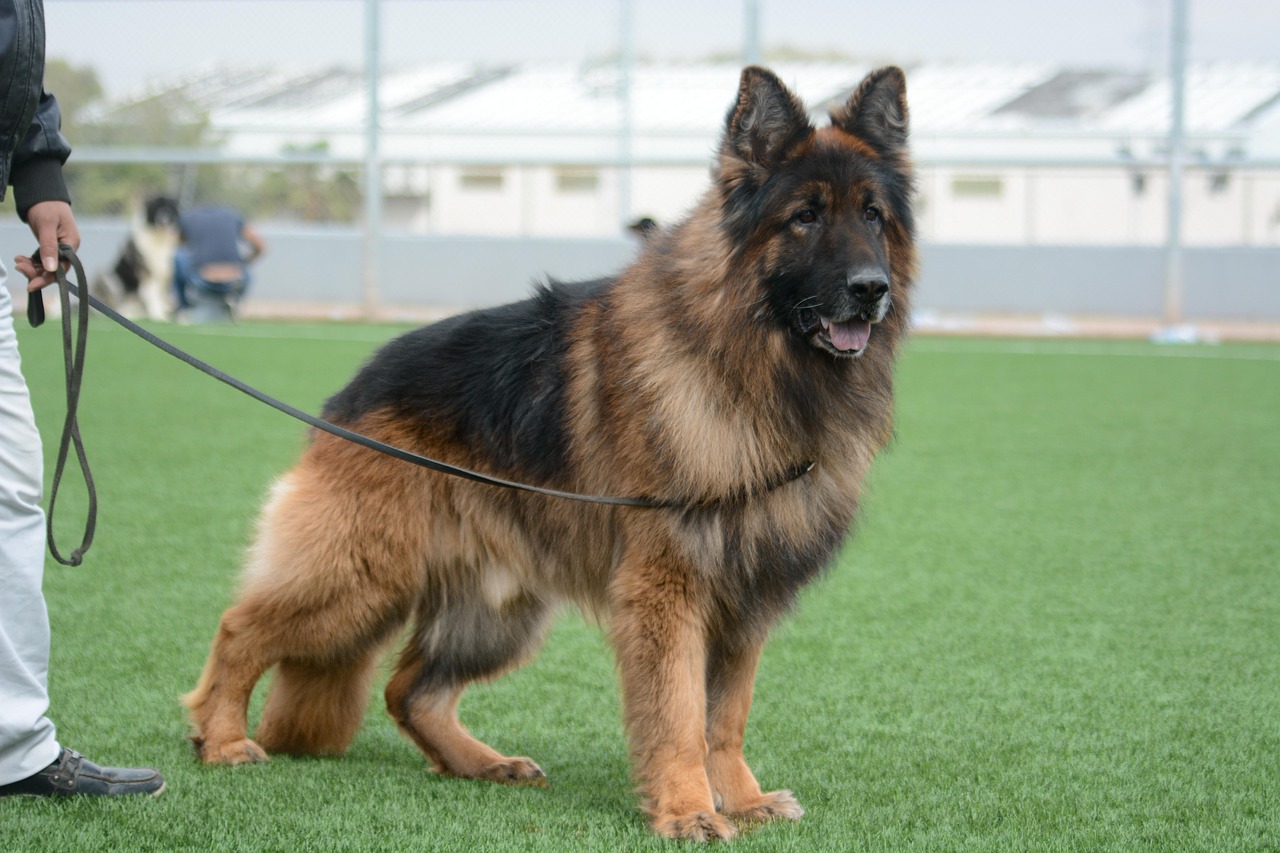

Leash Training for Different Breeds: Ensuring a Peaceful Walk
Leash training is an essential skill for all dog owners, as making walks enjoyable requires understanding the unique needs of different breeds. Not every dog reacts the same way to a leash. For example, large breeds like the German Shepherd may pull with more strength. Smaller dogs, such as Chihuahuas, tend to have different pacing and agility. Once dog owners recognize these distinctions, they can tailor their training methods accordingly. Techniques such as positive reinforcement, consistency, and patience are necessary as you begin leash training endeavors. When you vary your approach based on breed characteristics, your dog will more likely respond to commands and learn about walking etiquette. Be sure to use the appropriate equipment as well. A collar may be fitting for smaller breeds but might be less effective for larger, stronger dogs. Harnesses can provide better control and more comfort based on the dog’s size and strength. Remember, the goal is a balanced, happy experience for both the dog and the owner. Consider researching breed-specific requirements before starting. This foundation creates a positive environment that encourages your dog to embrace the leash with enthusiasm and comfort.
A crucial aspect of leash training involves understanding how different breeds respond to various training techniques. For instance, herding breeds often possess a strong instinct to stay close to their owners, making them more adaptable to leash walking. In contrast, sighthounds such as Greyhounds may not have as much interest in leash walking. As part of the training process, owners must use enticing rewards like treats or toys to keep their dogs engaged. Consistency in commands ensures that dogs recognize the cues clearly, making them more likely to perform correctly. Start with short walks, gradually increasing duration and distraction levels as your dog learns to walk calmly on a leash. Ensure that you practice in familiar environments before introducing new settings where they may encounter unfamiliar experiences. Frequent reinforcement of positive behaviors will solidify the bond between you and your dog. Keep sessions enjoyable by allowing time for exploration, sniffing, and praise. Use short, clear commands and ensure you communicate effectively. Monitoring your dog’s body language helps determine whether adjustments are necessary in your techniques or approach. Teaching leash manners promotes a more pleasant experience for both the owner and the dog during daily walks.
Choosing the Right Equipment for Leash Training
The equipment used during leash training varies based on the breed’s size and temperament. For many smaller or more timid breeds, a lightweight leash and collar are suitable, providing close control for their gentle nature. However, larger and more energetic breeds might benefit from specialized harnesses that distribute pressure across their body rather than the neck. This can prevent injury and create a more comfortable walking experience. Owners should also consider the type of leash, as varying lengths offer different levels of control. For instance, a standard six-foot leash provides ample space and control, while retractable leashes may facilitate more freedom but can lead to a lack of responsiveness in training situations. A fixed leash ensures the owner maintains authority while reinforcing the dog’s walking behavior. Some harnesses come with front clips, which can discourage pulling by redirecting the dog’s movement. Whatever the choice, ensuring that it is comfortable and appropriately sized will greatly enhance the overall learning process. Regularly check the equipment to avoid wear and ensure your dog’s safety while walking. The right tools are fundamental to successful leash training!
Implementing effective strategies during leash training is vital for success. One common approach is the ‘stop-and-go’ method. This technique allows owners to stop when their dog pulls on the leash, reinforcing that pulling halts progress. In contrast, when the dog walks calmly beside their owner, they receive praise and positive reinforcement. This association between desired behavior and reward encourages dogs to walk nicely during training. Another useful method is teaching loose-leash walking, where the goal is maintaining a slack leash rather than constant tension. Owners can achieve this by frequently changing directions and rewarding their dog for following. Using verbal cues and body language is equally essential; clearly communicating with commands helps reinforce expectations. Additionally, practicing leash training in a distraction-free environment allows dogs to focus fully on their owner during early lessons. More advanced training can take place in public spaces with varied stimuli, enabling the dog to generalize their learning. Be patient throughout the process, as consistency is key! Each breed may learn at a different pace, so maintain a positive attitude and understanding throughout their training journey.
Socialization and Leash Training
Socialization plays an essential role in successful leash training for different breeds. Exposing dogs to various environments, sounds, and people helps build confidence. This foundation ensures that your dog is less likely to react adversely while on walks. Take advantage of your training sessions by inviting friends or visiting dog parks, allowing your dog to interact with other canines while remaining leashed. Positive social experiences foster a sense of security and reduce anxiety when encountering new situations outside the home. The combination of leash training and socialization creates well-rounded personalities, enabling dogs to adapt to their surroundings. Additionally, encouraging good behavior during these interactions becomes crucial. Provide praise and treats when your dog maintains focus and composure during encounters with other dogs or distractions. Knowing how to handle a leashed dog as it interacts with other pets or people is also essential. This ensures safe and enjoyable experiences for everyone involved. Owners should always remain calm during socialization moments, reassuring their dog through voice and body language. This supportive atmosphere reduces tension and anxiety while reinforcing the bond between the owner and their leashed companion.
Consistency is crucial in leash training for different breeds. Establishing daily training routines helps reinforce learned behaviors and expectations. Aim for multiple short training sessions throughout the week rather than lengthy practices that may frustrate dogs. Keep sessions around five to ten minutes, focusing on engagement and fun rather than prolonged stress. During training, use a reward system that best suits your dog’s preferences, such as treats, praise, or play. Important progress comes from even small victories; be sure to celebrate your dog’s achievements during training. Additionally, incorporating new commands and skills once foundational concepts are grasped can keep things engaging for your canine. Remember that leash training is not a one-time task, but an ongoing endeavor that requires the owner to adapt as their dog learns. Adjustments may be needed as different training techniques become effective or when an owner’s goals differ. By remaining committed to daily reinforcement and positive interactions, the dog will internalize training behaviors more readily. This not only leads to improved compliance on walks but also strengthens the overall relationship between the dog and its owner.
Monitoring and Adjusting Techniques
As dogs grow and evolve, monitoring their leash training progress becomes vital for effective learning. Owners should regularly assess their dog’s responses to training commands and leash walking techniques. If a particular method no longer achieves desired results, it may be time to adjust tactics. For example, if your dog is suddenly hesitant to walk, revisiting foundational principles may be necessary. Every dog is unique in temperament, drive, and learning style. Adapting your training strategies based on these characteristics can lead to improved outcomes. It’s also important to observe your dog’s enthusiasm during walks. If they seem bored or distracted, consider changing your route or incorporating fun playtime in between formal training sessions. Engaging activities can rekindle interest while helping to reinforce good walking behavior. Likewise, adjusting command cues as your dog’s learning deepens can keep training fresh and encourage their connection with you. Keeping your training adaptable allows for responding to individual needs and situations over time. Regular reflection on progress strengthens the learning journey, ensuring the dog and owner maintain a rewarding walking experience together.
In conclusion, leash training is a multifaceted process that requires attention and care from dog owners. Gaining insights into the unique needs of different breeds can provide the framework for successful training. Recognizing that each breed’s temperament and body structure plays a role in how they respond to leash walking is essential. Implementing the right equipment alongside effective training techniques will lead to more enjoyable walks for both the dog and the owner. By including socialization and consistently reinforcing positive behavior, dog owners can further enrich their training journey. Regularly assessing methodologies will ensure proper progress and foster an enjoyable experience tailored to the dog’s individual needs. Ultimately, leash training promotes not just good walking habits, but creates a bond built on trust and understanding between the dog and its owner. Emphasizing these elements as part of every training session can lead to lasting results. By prioritizing patience, creativity, and adaptability, anyone can create a healthy walking routine with their canine companion. Take the time to understand your dog and allow the leash training process to reflect both of your personalities and strengths. Happy walking!