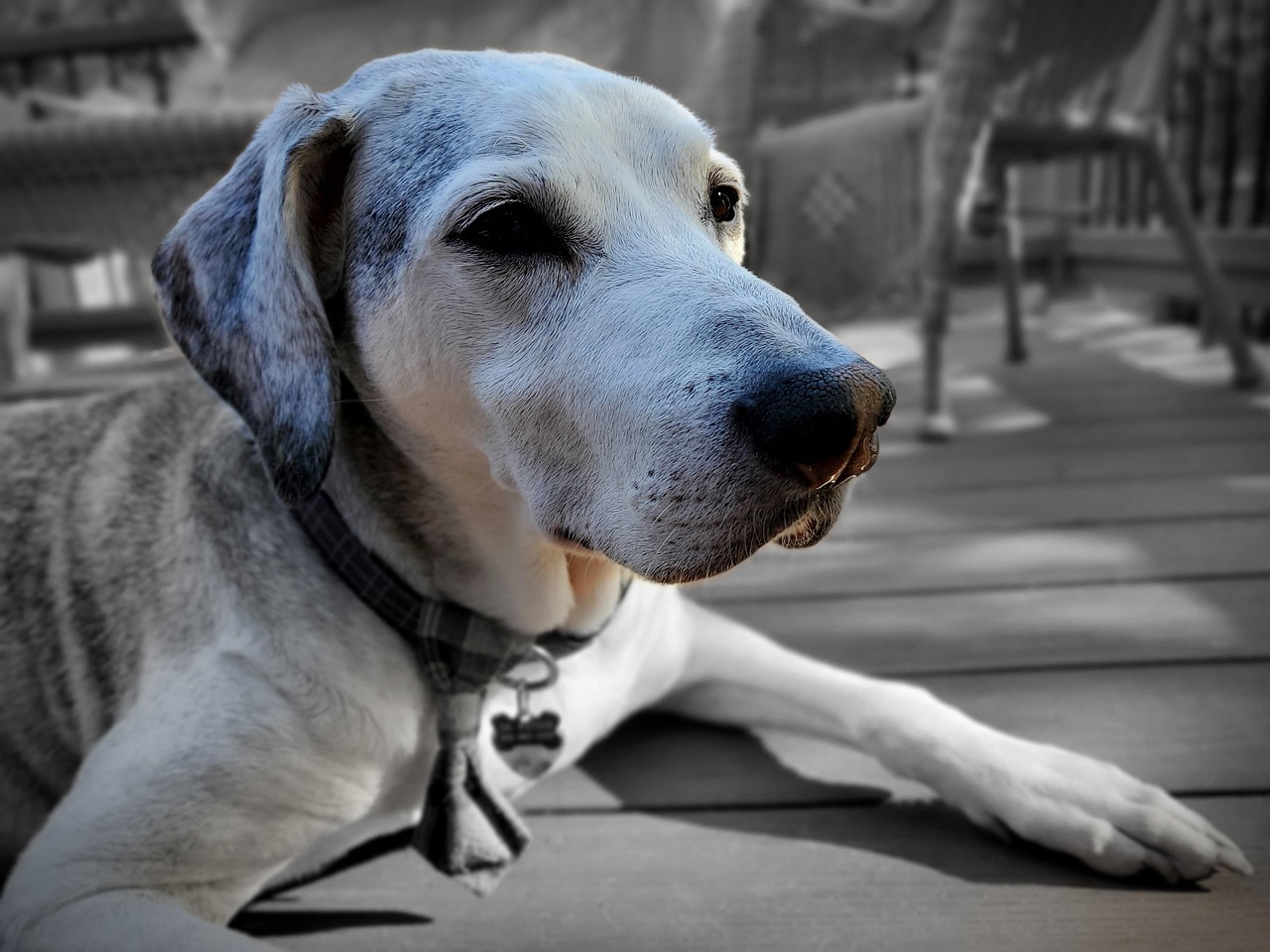

The Importance of Regular Vet Checks for Behavioral Changes in Senior Dogs
As dogs age, their behaviors can shift significantly, making it essential for owners to monitor these changes closely. Regular vet checks play a pivotal role in observing such behavioral modifications, which may be due to health issues. Common behavioral changes include increased anxiety, altered sleeping patterns, or loss of interest in activities they once enjoyed. Understanding these shifts can provide insights into potential medical conditions that might arise. Aging dogs may also develop cognitive dysfunction syndrome, where they become disoriented and display strange behaviors. Having an open line of communication with your veterinarian can help in managing these behavioral changes effectively. Prioritizing wellness visits allows for routine assessments, ensuring that any health concerns are addressed promptly. Veterinary professionals are trained to recognize subtle signs of distress in dogs and provide guidance on behavioral management, medications, or necessary tests. Regular check-ups can keep older dogs happier and prevent severe health issues. In essence, staying vigilant about your dog’s behavior will guide you toward making informed decisions regarding their overall health and happiness as they transition into their senior years.
One of the most common yet distressing behaviors that may arise in senior dogs is the onset of anxiety. Senior dogs often experience increased anxiety due to changes in their environment or physical health. It’s essential to understand that anxiety might manifest itself in several ways. Symptoms can include pacing, barking excessively, or changes in appetite. A thorough evaluation by your veterinarian can help determine if health-related issues are contributing to these anxious behaviors. In some cases, anxiety may not only stem from physical ailments but also from cognitive decline, known as canine cognitive dysfunction. Regular vet visits allow for appropriate behavioral assessments and intervention strategies such as medication or behavioral therapy that may alleviate your dog’s anxiety. Creating a calm environment at home is equally crucial: consider providing a safe space for your dog, using anxiety-reducing products like calming collars, or pheromone diffusers. Engaging your senior dog in gentle play or mental enrichment activities can also help alleviate anxiety symptoms. Ultimately, paying attention to your pet’s behavior and seeking veterinary support will lead to improved quality of life for your beloved companion as they age.
Understanding Changes in Appetite
Changes in appetite can signify various underlying health issues in senior dogs. A decreased desire to eat may indicate dental pain, digestive disorders, or other internal health problems. Conversely, an increased appetite could signal conditions like diabetes or certain types of cancer. Monitoring your senior dog’s eating habits is necessary for both health and behavioral purposes. It’s crucial to track any changes and discuss them during vet check-ups. By being vigilant about these changes, you can provide your veterinarian with valuable information that assists in diagnosing any health concerns. Offering smaller, more frequent meals can sometimes entice older dogs to eat more consistently. Incorporating high-quality dog food designed for seniors can also optimize their nutritional intake. However, if your dog’s eating habits continue to change despite your efforts, and they exhibit weight loss or gain, immediate veterinary consultation is imperative. With prompt action, the appropriate tests and treatments can help address these health issues. Regular vet visits play a significant role in maintaining your dog’s health as they age, ensuring their comfort and well-being.
Your senior dog’s sleep cycle may change as part of becoming older, influencing their overall mood and behavior. Health problems such as arthritis can disrupt their sleep patterns, leading to restlessness at night and lethargy during the day. It is essential to observe these sleep changes, as they may indicate discomfort that needs addressing. Comfort is vital for aging dogs; therefore, consider providing them with orthopedic beds to support their joints. In many cases, your veterinarian can recommend medication or modifications in lifestyle to help your dog sleep better. A consistent routine can also be beneficial for senior dogs, helping them feel secure and relaxed. Pay attention to their sleep environment by keeping it quiet and restful, providing a safe space where they can enjoy uninterrupted sleep. Recognize that changes in behavior due to altered sleep patterns might lead to increased irritability or withdrawal. Regular vet checks will assist in identifying potential medical reasons for these shifts. Making these adjustments will help improve your senior dog’s quality of life and reinforce your bond with them during their golden years.
The Role of Exercise in Senior Dog Behavior
Regular exercise is crucial in maintaining the physical and mental health of senior dogs. Engaging in consistent physical activities can help alleviate behavioral issues. Activity is essential not just for weight management but also for mental stimulation, preventing boredom that may lead to unfavorable behaviors such as chewing or digging. However, it is crucial to monitor your dog’s energy levels and adapt the exercise accordingly. Shorter, more frequent walks often work best for senior dogs, taking into account their agility and stamina. Consider introducing low-impact activities like swimming or gentle play sessions to keep your pet active without causing strain. Veterinary professionals can suggest tailored exercise programs based on your dog’s breed, weight, and health status. Additionally, consider incorporating brain games and puzzle toys to engage your dog mentally. Providing stimulation both physically and mentally will promote overall wellness in your senior dog, positively influencing their mood and behavior. Ensuring that your dog receives appropriate exercise will also strengthen the bond you share, paving the way for happy and healthy senior years together.
Social interaction is vital in your senior dog’s life, as behavioral changes can arise from isolation. Often, older dogs may seem less inclined to socialize with other dogs or people; however, maintaining social interactions is key for emotional health. Engaging with family, friends, or other pets in a controlled manner allows your dog to remain active in their social sphere. Interactions can combat feelings of loneliness and prevent depression, which can lead to challenging behaviors like aggression or excessive barking. Regular trips to dog parks, arranged meet-ups, or controlled playdates can be beneficial. Be mindful of your senior dog’s limits and ensure that interactions do not overwhelm them. Positive reinforcement training during these interactions can help encourage desired behaviors while maintaining a calm environment. Discussing your dog’s social needs with your veterinarian will help you gauge the right approach to enhance their social life. Additionally, encouraging activities that involve gentle bonding, such as relaxing together or short outings, can foster better behavior while improving their mood. Thus, maintaining social engagement supports overall well-being in senior dogs.
Conclusion: The Importance of Regular Vet Checks
In summary, regular vet checks are crucial for identifying behavioral changes in senior dogs, offering essential insights into their health. As dogs age, their behaviors can shift for various reasons, including medical conditions and cognitive decline. Veterinary support equips pet owners with tools to understand these behaviors better and adapt their care strategies accordingly. Regular check-ups can lead to early detection of potential health risks, greatly improving the quality of life for older dogs. By maintaining open communication with your vet, you can work together to create a tailored approach, ensuring your senior dog’s emotional and physical well-being is prioritized. Incorporating thoughtful routines, proper nutrition, social activity, and mental stimulation will further enhance your dog’s life as they age. Rehabilitation techniques also aid in managing changing behaviors effectively. Ultimately, being proactive about health and behavioral changes will allow you to offer the best care for your aging canine companion, ensuring their later years are comfortable and fulfilling. Investing time and effort into understanding your pet will cultivate a rich and loving bond, showcasing the important role you play in their life as they navigate their golden years.
Senior dogs require a holistic approach to maintain their well-being. Understanding the factors contributing to behavioral changes—such as health and environment—helps in tailoring care that addresses both medical and emotional needs. Regular vet visits allow for proactive health assessments and recommendations, which promotes longevity and happiness. As pet owners, we have the responsibility to remain vigilant about our senior dogs’ behaviors. By observing how our pets have changed over time, we can anticipate any emerging issues, alerting our veterinarians to provide timely solutions. A senior dog’s needs may evolve, requiring adjustments to diet, exercise, and overall care. Engaging actively in vet checks creates a collaborative environment focused on well-being, allowing us to enhance the quality of life for our beloved dogs. Taking steps to ensure these pets receive the attention they deserve enables a deeper understanding of their changing behaviors. The comfort derived from knowing your dog is healthy provides peace of mind. Ultimately, prioritizing regular vet checks contributes significantly to your senior dog’s behavioral stability, physical health, and emotional happiness, making these appointments invaluable to your pet’s quality of life.