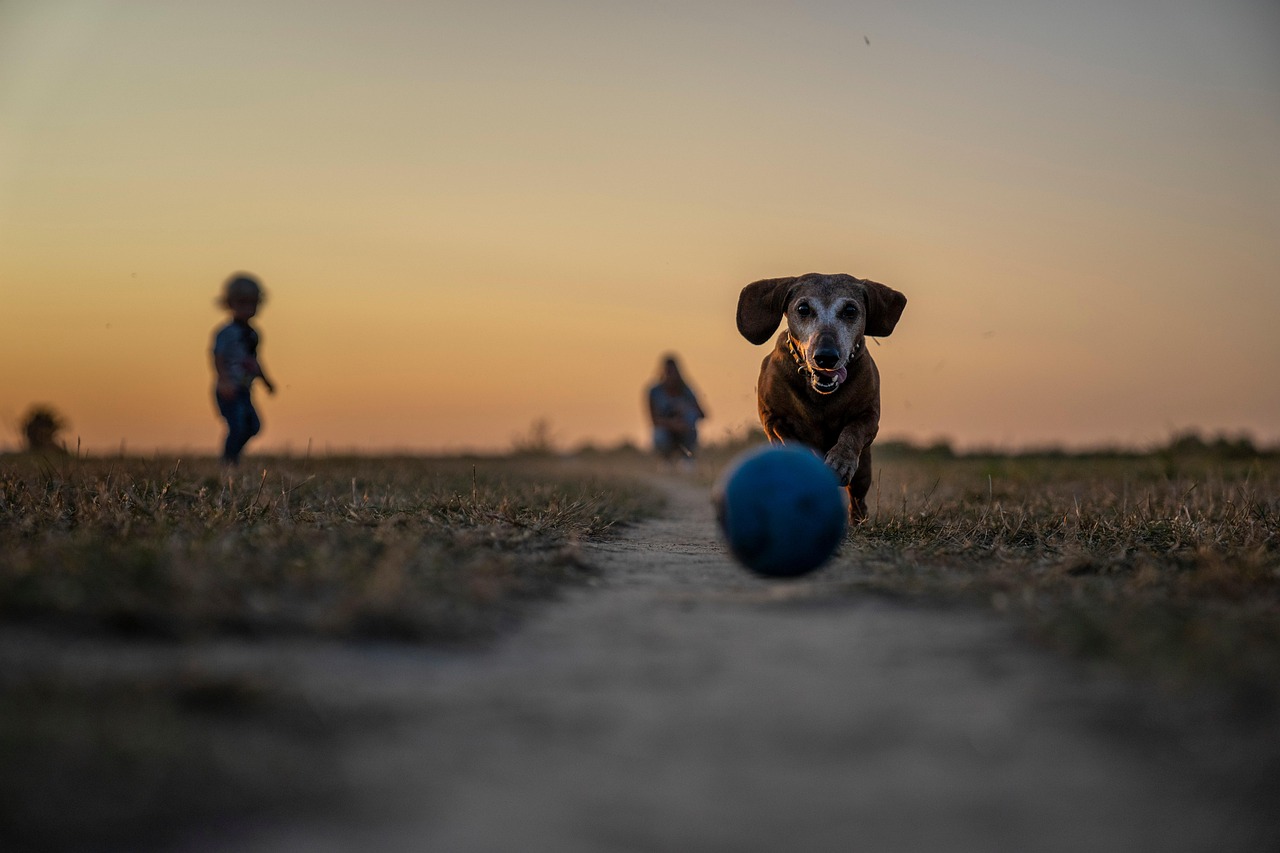

The Social Benefits of Play in Dogs: Building Bonds and Communication
Dogs are inherently social animals, and play is a fundamental activity that contributes to their emotional and psychological well-being. Through play, dogs engage with each other in ways that foster strong social bonds. It’s essential for developing communication skills among peers. When dogs play, they learn vital cues that are used in their interactions. For example, during rough-and-tumble play sessions, dogs will express their intentions through body language, which helps establish and reinforce friendships. This form of social play allows them to practice their communication, refining both their vocalizations and physical movements.Moreover, social play also encourages positive behaviors. Dogs that frequently engage in play with others tend to exhibit lower levels of fear and aggression, fostering a more amicable demeanor. Regular playtime allows dogs to develop trust and respect toward others. In this sense, play is not just fun; it’s a critical aspect of their social education and emotional development, equipping them for a more balanced life with both humans and other dogs. Understanding these benefits is crucial for pet owners aiming to promote healthy dog behavior and enhance their pets’ quality of life.
One of the most significant advantages of social play among dogs is its role in alleviating stress and anxiety. Dogs that engage in frequent and enjoyable play experiences tend to be less fearful in unfamiliar situations. Exposure to various play environments helps them become adaptable and confident. As they play, they learn valuable lessons in cooperation, negotiation, and conflict resolution, which are crucial for navigating social dynamics. Dogs that play together often develop a shared language that strengthens their bonds.This communication is not only limited to physical actions; vocalizations and facial expressions also play critical roles in the interaction. For instance, a playful growl or a wagging tail can signal excitement or comfort, enhancing the quality of interactions. Regular playtime sessions also stimulate the dogs’ minds, providing mental challenges. This cognitive engagement is essential for their overall health. By facilitating social connections through play, dog owners can help their pets maintain emotional balance and create opportunities for healthy venting of energy, essential for both physical and psychological well-being. Allowing dogs to play can therefore be seen as an investment in their overall happiness.
Moreover, dog play behavior significantly influences the learning process in young canines. Puppies learn from their playmates how to socialize, interpret signals, and exhibit appropriate behaviors both during play and beyond. This early interaction greatly contributes to their future temperament and behavior. Engaging in play with others allows them to develop impulse control and learn the difference between rough play and inappropriate aggression. It also teaches them boundaries through positive play experiences. Dogs learn when to back off, understanding cues from their companions when they’ve crossed the line. This social learning is critical in preventing behavioral problems in adulthood.Furthermore, the experiences gained through play can also help puppies develop tolerance to frustration and improve their ability to cope with different situations. The more experiences dogs have with their peers, the more adept they become at adjusting their behavior in varying circumstances. For responsible pet owners, promoting play among pups can yield long-term benefits, resulting in calmer, more socially adjusted dogs. Providing ample opportunities for play is essential for creating well-rounded, happy companions throughout their lives.
Notably, playtime also serves as an excellent opportunity for physical exercise. Dogs inherently have high energy levels, and without an outlet, this energy can manifest in destructive behaviors or unwanted antics. Regular play provides a necessary physical outlet, helping dogs expend their energy while also developing their fitness. Engaging in various play activities can lead to a healthier lifestyle for dogs.Activities such as fetch, tug-of-war, and agility exercises not only stimulate them physically but also mentally. For example, challenging them with new games or toys encourages problem-solving and engagement. It’s essential for owners to participate in these activities, as it creates a bond between dog and owner. This shared experience strengthens relationships and encourages positive associations with human companionship. Owners are also able to monitor their dog’s behavior during play, ensuring their safety and comfort. In this light, establishing a routine that includes time for play can contribute to the long-term health of dogs, ensuring they grow up to be fit and socially well-adjusted companions.
Observing dog play behavior can also provide insights for pet owners. Understanding how dogs interact with one another allows owners to recognize various emotional states and reactions during these sessions. For example, if a dog exhibits signs of submission or aggression, those behaviors can indicate underlying social issues. Learning to read these signals can be key in providing necessary interventions, either by modifying the play environment or by engaging in training activities that address behavioral problems.Owning a dog requires an understanding of its nature, and play behavior is an excellent window into their emotional life. Additionally, agility training and competitive play can further enhance a dog’s skills and social interactions. These activities challenge dogs, excelling their physical fitness while promoting teamwork with their handlers. Consequently, owners gain a chance to bond with their pets, fostering trust and confidence. Therefore, becoming more attuned to how dogs communicate through play can enhance the overall experience and relationship between dogs and their humans, fostering empathy and understanding.
The diversity of play styles among dogs highlights their unique personalities. Some dogs prefer chasing games, while others enjoy wrestling or tugging. Recognizing your dog’s preferences can enhance playtime, making interactions more enjoyable for both the pet and the owner. Tailoring activities to fit your dog’s play style encourages more profound engagement and satisfaction during play sessions.Understanding what motivates your dog can lead to more effective training strategies as well. For instance, dogs that love fetching may enjoy retrieval games, while those that prefer rough play can thrive in interactive, physical games. Offering a variety of toys catering to different preferences enriches the play experience, keeping it mentally stimulating. Pet owners can strengthen their bond with their dogs through these tailored activities. Ultimately, celebrating these variations fosters a positive and playful relationship. By encouraging the preferred play styles of their dogs, owners can cultivate a fulfilling connection and provide necessary outlets for energy through enjoyable activities. Thus, acknowledging individuality within play is crucial for a successful partnership and a happy, well-behaved dog.
In conclusion, the social benefits of play in dogs cannot be underestimated. Play is a crucial aspect of a dog’s emotional and physical development, allowing for the establishment of bonds and the honing of communication skills. As dogs engage with peers or their human companions, they learn essential behaviors that promote well-being. It alleviates anxiety, facilitates exercise, and enhances social learning experiences. Dog owners play a critical role in fostering these interactions through opportunities for play within safe environments. Training and monitoring dog behavior during play can yield profound insights and improve dog-human relationships. By understanding these dynamics, we can better serve our pets and enhance their quality of life. Play is more than just a fun activity; it is an essential factor in the overall happiness and health of dogs. By prioritizing play in our dogs’ lives, we contribute not only to their well-being but also to our enjoyment as attentive owners. Investing time in play can create many long-lasting positive impacts for both dogs and their owners, critical for a harmonious living experience in a pet-friendly household.
By prioritizing play, one can become an informed advocate for overall well-being. Encouraging social play leads to happier dogs who are better able to navigate their worlds, fostering resilience and confidence. It’s essential to invest in play as an integral component of dog care, emphasizing its many advantages. Ultimately, we forge deeper bonds with our furry companions when we appreciate the symbiotic relationship between play and social interaction.