
Tips for Managing Long Nails in Large Breed Puppies
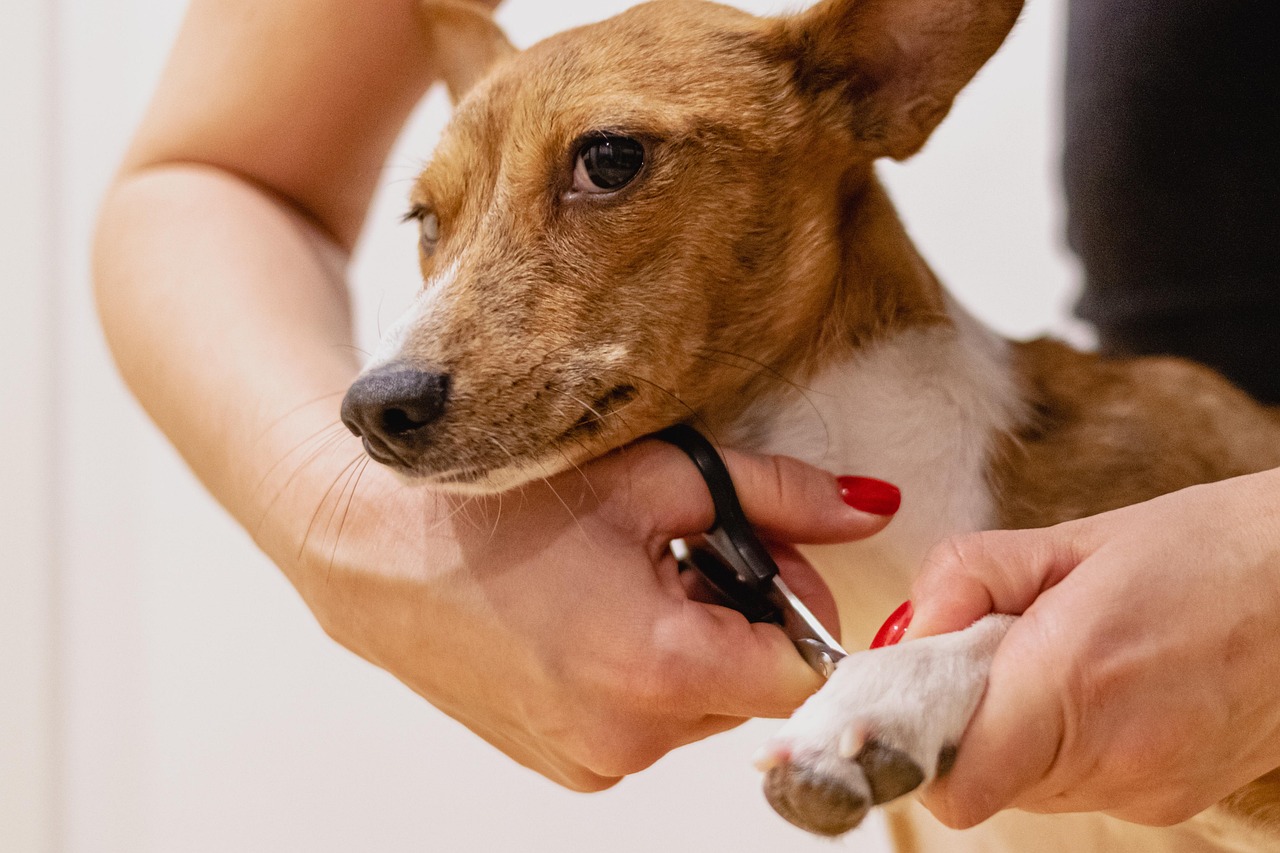
Managing the nails of large breed puppies is crucial for their overall health and well-being. It is vital to start nail care early to ensure the puppy becomes accustomed to the process. Begin when the puppy is young; handling their paws gently encourages acceptance. Use a calm and reassuring tone while approaching nail trimming. Gather the necessary tools beforehand such as dog nail clippers and a styptic powder, which can help if you accidentally cut too short. Make sure your tools are appropriate for your puppy’s size. Familiarizing your puppy with the sounds and sensations of the tools can reduce anxiety. It’s beneficial to schedule regular grooming sessions, perhaps weekly. Always reward your puppy after each successful trimming session with treats and praise. This positive reinforcement will gradually make them more comfortable with the entire process. Paying careful attention to how your puppy responds is essential. Avoid forcing them if they seem resistant, as this can create negative associations. Patience is key. Over time, your actions will help your puppy form a good relationship with grooming routines.
Once you have established a routine, it’s important to monitor your puppy’s nail growth carefully. Puppies typically have faster growing nails, especially in large breeds. Observe the nails when your puppy plays and walks; if they touch the ground prominently, it’s time for a trim. On average, large breed puppies may need nail clippings every 3 to 4 weeks. Keep a close watch on how quickly nails grow back. If unsure about the right frequency, consult with your veterinarian or a professional groomer for advice. They can provide individual recommendations based on your puppy’s breed and activity level. Furthermore, be mindful of the quick, the sensitive part of the nail that can bleed if cut. Using a good quality nail clipper designed for large dogs can help make the task safer. If your puppy is particularly anxious, consider nail filing as a gentler method. Nail grinders or files can smooth rough edges and reduce the risk of cutting the quick. Remember to introduce tools gradually to avoid overwhelming your puppy. A well-executed nail care routine not only promotes better health but also strengthens your bond with your furry friend.
Understanding Nail Health
To effectively manage your puppy’s nail length, understanding nail health is crucial. Overgrown nails can lead to painful conditions such as discomfort when walking or even joint problems. When nails are allowed to grow too long, they can curve causing the paw to splay out. This alters your puppy’s gait and can lead to spine and joint pain over time. It’s directly related to their lifestyle, as active puppies typically wear down their nails naturally. If your puppy tends to stay indoors often, they will require more attention to their nails. In addition, these long nails can cause injuries or snag on furniture and carpets. Keeping the nails trimmed contributes to healthy paw structure. Regular checks can help you identify any possible nail issues before they escalate. Look for any cracks or splits, which might indicate various health concerns. Consistency is of utmost importance. Regular nail maintenance is ultimately a component of a tailored puppy care routine that should not be overlooked. Together, you can ensure a happy and healthy grow-up for your puppy while avoiding painful situations in the future.
Another effective strategy for maintaining your puppy’s nails is using the right environment for nail trimming. Finding a comfortable space where you and your puppy feel relaxed makes the process smoother. A quiet and well-lit area minimizes distractions that might cause your puppy to fidget. Use a non-slippery surface, ensuring your puppy’s footing is stable during the process. Have toys nearby to keep your puppy entertained while you work. Gradually introduce your puppy to the grooming space, allowing them to explore before beginning. It’s also helpful to have another person assist if needed; one can distract or hold the puppy while the other trims. Remember to maintain a firm but gentle grip on your puppy during the trimming to avoid sudden movements. Additionally, consider the time of day when your puppy is usually more relaxed. Some owners find that trimming nails after playtime or walks helps. Post-exercise, puppies tend to be calmer and more receptive to grooming. Creating a safe and secure atmosphere is paramount in making nail trimming a positive experience for both of you.
Choose the Right Tools
Selecting quality tools is essential in the process of managing your puppy’s nails effectively. Invest in well-reviewed nail clippers that are suitable for large breed puppies. Many owners find that guillotine-style clippers or electric grinders work effectively for larger nails; however, personal preference is important. Ensure that any clippers you choose are not too heavy, as this can lead to fatigue during the grooming session. When trying a clipper for the first time, consider testing it on a soft toy to ensure that they produce clean cuts. It is also a good idea to get your puppy accustomed to seeing and smelling the tools before using them on their paws. Additionally, investing in a high-quality nail file or grinder can greatly enhance the routine. These tools not only prevent splitting but can offer a smooth finish after trimming. Remember to also have a first aid item, like styptic powder, on hand to stop any bleeding if a mistake happens. Familiarize yourself with the proper equipment before proceeding, as this knowledge can ease anxiety during the trimming process.
When you start trimming your puppy’s nails, it’s important to remain calm and confident. Your puppy can sense your emotions; therefore, a relaxed approach will help put them at ease. If your puppy shows anxiety, try to comfort them with gentle words and soft strokes. Begin the trimming slowly, taking off small portions of the nail with each clip. Focus on a single nail at a time, watching for the quick as you trim. If you’re uncertain about where to cut, always err on the side of caution. You can gradually trim more over time to prevent distress. If your puppy starts to wiggle, pause and provide a distraction, allowing them to regain composure. Remember to praise them after each nail is trimmed, creating a positive association with the process. If they become too upset, consider breaking the grooming sessions into smaller parts over several days. Avoid forcing the situation; patience is immensely important. Remember, building trust during nail care contributes to a positive relationship between you and your puppy, setting the tone for future grooming sessions.
Post-Grooming Care
After trimming your puppy’s nails, it’s essential to engage in proper post-grooming care. This involves checking their paw pads for any signs of irritation or injury. Inspect between their toes for debris or issues that may cause discomfort. If you happen to nick the quick during trimming, applying styptic powder to stop any potential bleeding is vital. Aftercare also incorporates cleaning the grooming tools to extend their lifespan and maintain hygiene. Cleaning them after each use can prevent infections and keeps them in good condition. Furthermore, consider giving your puppy a small treat after trimming sessions; it helps reinforce good behavior during future grooming. This positive experience will help your puppy associate nail trimming with rewards rather than anxiety. Make sure to observe your puppy for signs of discomfort in the days following the trim. It’s important to stay attentive, reinforcing your puppy’s well-being during the entire grooming process. Set up follow-up sessions as needed, ensuring you remain consistent in your routine for long-term nail care success.
In conclusion, managing long nails in large breed puppies is foundational to their ongoing health and comfort. Establishing early grooming habits, understanding nail health, and choosing quality tools are essential components. Incorporating a consistent routine that includes both trimming and positive reinforcement will lead to a more enjoyable experience for both you and your puppy. Monitor their nails regularly and always prioritize their comfort during each session. By following these tips and maintaining an attentive approach, you can effectively safeguard your puppy against potential nail issues. Remember that nail trimming should be a stress-free experience, ensuring a happy and well-cared-for puppy. Don’t hesitate to consult with a veterinarian or professional groomer if you feel uncertain about the process. They can offer valuable insights tailored to your puppy’s needs. Following these guidelines will foster a healthy bond between the two of you, making nail care an integral part of puppy care. Building a routine based on trust will ultimately lead to better cooperation from your puppy. Always be patient, and remember, the love and care you provide is invaluable in shaping your puppy’s growth into a healthy adult dog.