
Using Filters to Emphasize Dog’s Movement
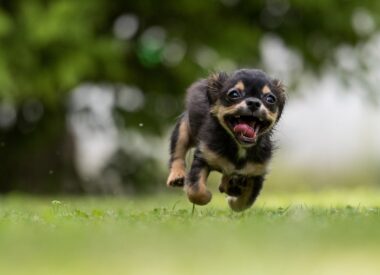
In the realm of dog photography, capturing the essence of a dog’s movement can be quite challenging. To truly make the images pop, using filters is a fantastic option. Filters can enhance not only colors but also the overall mood of your photos. They can add movement effects that create dynamic images. This engagement sparks a connection with the viewer. Some filters can emphasize motion blur, which is particularly striking. This technique provides a feeling of speed, capturing the dog’s energy. By using a fast shutter speed, you can freeze the moment, but filters allow for creative expression. Consider experimenting with different types of filters, including polarizers and ND filters. A polarizing filter can greatly reduce reflections and saturate colors, making your pictures vivid. Alternately, an ND filter reduces the light hitting the sensor, allowing for longer exposure times. This is essential for creative movement shots. Pet photography benefits immensely from understanding lighting and how to manipulate it. With the right filters, you elevate the artistry of your photos, capturing your dog’s movement in a unique way.
To better understand how to use filters effectively in dog photography, one must focus on practical techniques to apply them. The key is knowing when and where to implement these filters based on the environment. For instance, during bright sunny days, using a polarizer can be quite helpful. It not only protects your lens but also enhances the colors of your dog’s coat. This makes them shine more vividly against the background. Additionally, knowing how to adjust the exposure when using filters is crucial. This ensures that your images remain well-lit without losing details. Filters also help in situations where you want to soften unwanted shadows or highlights. Furthermore, using filters is not limited to just outdoor settings. You can also use them in indoor environments, especially if natural light floods the space. Direct sunlight can be harsh, but an ND filter can help soften that light for a more pleasant aesthetic. Always remember that practice makes perfect; try different filters and techniques in various scenarios. This experimentation will refine your skills and enhance the beauty of the moments you capture.
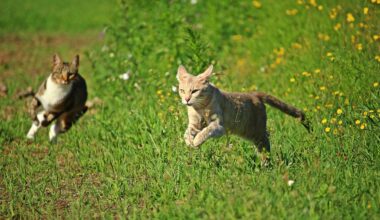
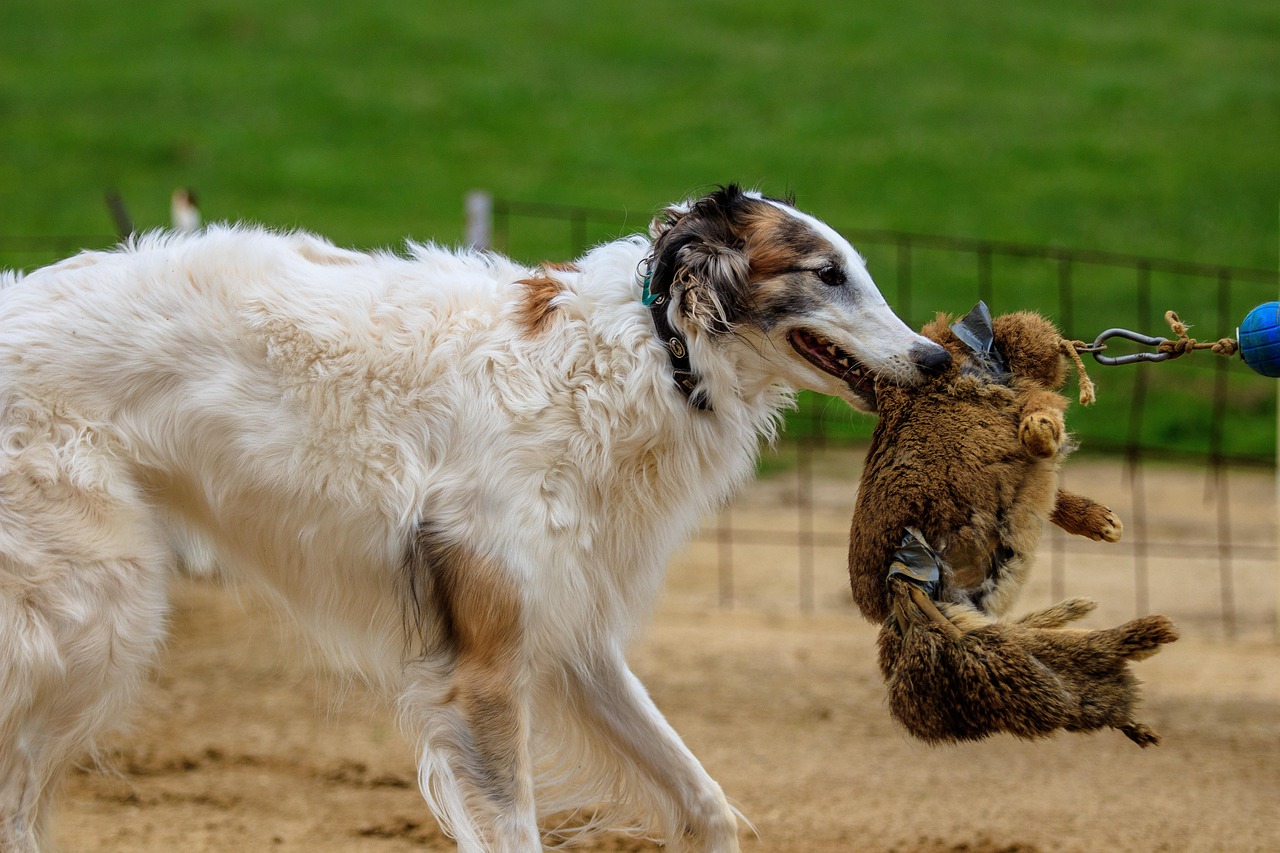
Movement is an intrinsic part of a dog’s personality. Dogs are energetic, lively creatures, always in motion, and capturing this essence requires a good understanding of camera settings and filters. For dynamic shots, consider using a fast shutter speed to capture the crispness of a dog in motion. This allows you to freeze the action clearly. However, if your goal is to show the blur of speed, using a slower shutter speed combined with an ND filter offers an artistic touch. This effect can depict urgency and excitement. Always keep in mind that adjustments in lighting and filter use play a huge role in achieving desired results. During yellow hour, the setting or rising sun can provide a beautiful natural glow to the images. This aspect complements the movement nicely. Color contrast is another crucial factor; your dog’s fur color against the backdrop can either enhance or diminish the photograph. This includes thoughtful choices regarding the seasons. During autumn, consider wearing a filter that enhances the oranges and reds for stunning landscapes. Each detail you attend to can dramatically improve the end result of your photography.
Choosing the Right Filters for the Right Mood
The choice of filters can influence the mood of your dog photographs considerably. Understanding how different filters affect the overall image can aid in selecting the perfect one during your shoot. For example, using a warming filter gives a golden hue, creating an inviting and cozy atmosphere. This could complement a happy dog playing in the autumn leaves. Similarly, on overcast days, a filter that enhances colors can bring life back to otherwise dull images. Filters can transform a simple photo into an artistic masterpiece almost effortlessly. Experimenting with the orientation of these filters can also yield diverse results. You can tilt a polarizing filter for different levels of saturation to achieve an effect that resonates with your artistic vision. When you mix filters, you should proceed with caution. They can create a unique aesthetic, but using too many could lead to undesirable effects. Balance and harmony are key in maintaining a high-quality photograph. Before the shoot, plan which filters you want to try. This will streamline your process and improve your focus to capture movement beautifully.
It is also essential to consider the type of subjects you are photographing. Different dog breeds may convey motion differently, necessitating specific approaches. Breeds with a lot of fur, like Golden Retrievers, tend to have flowing fur, allowing for dramatic motion in photos. Incorporating a filter that accentuates this effect can create beautiful imagery, especially if the process enhances the movement of each strand. Conversely, short-haired dogs such as Beagles may not have the same flowing motion, but their speed and agility can be highlighted through creative perspectives. A skilled photographer will adjust filter usage depending on the characteristics of the pets being photographed. Be mindful of the dog’s energy level as well; a playful pup may call for quick adjustments. Family pets engaged in activities such as running or fetching lend themselves well to using filters that promote dynamic movement. Capturing this energy is what makes dog photography exciting. With practice, you will learn how to adapt your filter strategy to fully embrace each dog’s unique movement style.
The post-processing phase is another arena where filters can significantly elevate your dog photographs. After capturing images, employing software can help apply additional filters digitally. Alternatively, you can also use high-quality presets that incorporate filter effects. This approach allows for enhancements without the limitations of on-location filters. In Adobe Lightroom or Photoshop, you can adjust colors and sharpness. This should match the desired mood of the previously taken images. Applying a vignette can draw attention to the dog, emphasizing their action further. Digital filters can help accentuate motion in ways that differ from physical filters. They can give an overall dreamy look, balancing movement with an ethereal background. Deliver your final images in formats that maintain quality; avoid low-resolution endings. Share your beautifully edited dog photography on social media platforms to showcase your artistry. Using relevant hashtags and engaging descriptions can attract an audience. Always continue to seek feedback, which will enhance your growth in this art form. Learning from both successes and shortcomings will build your confidence as a dog photographer.
The Future of Filters in Dog Photography
As technology continues to advance, the future of filters in dog photography looks promising. Innovations in camera technology mean that new filters are being developed consistently. This evolution allows for even greater creativity in capturing action shots. Some brands are introducing smart filters that can adjust dynamically to environmental conditions. This incorporates aspects like light intensity and movement levels automatically. Furthermore, the accessibility of mobile photography is rising. There are apps that integrate filters that mimic traditional lenses, allowing smartphone users to achieve high-quality dog photographs. Mobile photography can aid in engaging an audience on social media effectively. This shift should encourage pet owners to document special moments without needing to invest heavily in professional gear. Despite these innovations, the fundamental skill of photographers remains vital. Understanding how to compose shots still influences the photograph’s impact. Filters will continue to serve as tools for enhancing creativity. They encourage photographers to experiment beyond traditional methods. Always stay updated on developments in photographic technology and software, as these advancements will shape your approach. Continue to innovate in your methods, always looking for new trends and creative expressions.
In the end, combining photography skills with the thoughtful application of filters can make a remarkable difference in dog photography. Capturing the essence of movement is more than just pressing the shutter; it includes understanding light, color, and various filter techniques. Each dog has a unique personality, and your efforts should reflect that individuality. Structure your approach around their movements and expressions. Utilizing filters effectively will help you communicate these aspects. Whether you’re a professional or an enthusiast, the goal remains to create images that resonate emotionally with the viewer. While this can require patience and practice, the results can be incredibly rewarding. Pursue a variety of techniques, revisit your photos regularly, and refine your skills. Understanding movement, lighting, and filter applications can help realize stunning results. Share your creations with communities that appreciate dog photography, as these interactions can motivate you to further improve. The love for dogs and the art of their photography can forge connections among passionate individuals. Each photograph tells a story of joy, companionship, and vitality. Embrace this journey, and let your creativity thrive.