
Agility Training for Senior Dogs: What You Need to Know
Agility training is an excellent way for senior dogs to engage in physical and mental exercises. Many people believe that agility training is only for young, active dogs, but this is a misconception. In reality, agility training can provide numerous benefits to dogs of all ages, including seniors. It fosters confidence, coordination, and obedience, enabling older dogs to develop better skills. Additionally, agility exercises are adaptable, allowing seniors to participate at their own pace, minimizing stress on their joints and muscles. It’s vital to understand that senior dogs may require more time to adjust to new activities, so patience is crucial. When introducing agility training, it’s essential to start slowly and use equipment tailored for older dogs. This includes lower jumps and softer surfaces. Always ensure that your senior dog remains comfortable, and monitor their energy levels. Veterinary approval is a must before starting any new exercise regimen to avoid injury or strain. Focus on creating a positive experience to enhance their enthusiasm for the training process, ensuring mental and physical stimulation throughout their golden years.
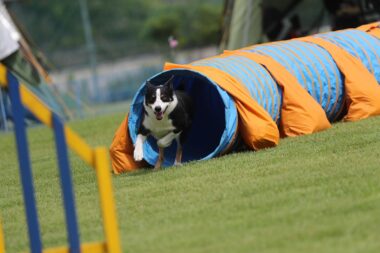
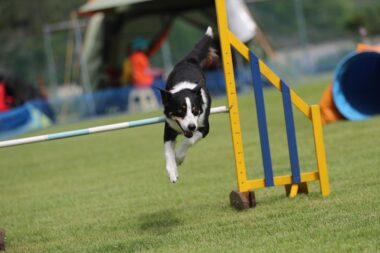
Training sessions should be short and fun to keep senior dogs engaged. Offering breaks between activities, as well as praise and rewards, can further motivate them. Equipment used should prioritize safety, with low-to-ground hurdles, tunnels, and weave poles that accommodate the physical limitations of older dogs. Regular progress checks can help in understanding how much training your dog can handle. Introducing new commands and simpler obstacles gradually can contribute positively too. Always pay attention to your dog’s behavior and energy levels. Senior dogs may tire more easily, and ensuring they don’t overexert themselves is vital during training. Additionally, using treats or toys as incentives can make learning more enjoyable. Incorporating these elements helps build a bond between you and your dog, reinforcing trust. Consistency in training routines also plays a critical role. Stick to a regular schedule to provide familiarity and predictability in each session. This can help your senior dog navigate the obstacles more effectively. Over time, they will develop confidence, becoming more agile, which can improve their quality of life in their later years.
Benefits of Agility Training for Seniors
Engaging in agility training can provide several significant benefits for senior dogs. First, it promotes physical health, helping maintain muscle tone and joint flexibility. Older dogs often face difficulties with mobility; agility exercises can counteract these challenges and promote overall fitness. Secondly, mentally stimulating activities enhance cognitive functions, helping keep their minds sharp. As dogs age, they might experience cognitive decline; thus, participating in agility challenges provides necessary engagement. Moreover, agility training fosters socialization skills, as classes often involve interaction with other dogs and their handlers. This exposure can help reduce anxiety and fears in seniors who may become less social as they age. Mental and physical interactions forge stronger bonds between dogs and owners, enhancing their emotional well-being. Lastly, agility training can lead to more joyful, active lifestyles for senior dogs. By keeping them engaged and focused, owners can feel reassured that they are positively impacted. Consequently, agility training offers an enjoyable way to improve life quality for your senior canine companion through fun, exercise, and connection. Embrace agility training as an essential component of their routine to enhance happiness.
Before starting agility training for senior dogs, ensure that you closely observe their unique needs and challenges. Consulting with your veterinarian can provide tailored suggestions based on their health background and physical capabilities. Once you’ve received approval, start with foundational skills. Simple commands like “sit,” “stay,” and “come” are crucial in establishing a strong communication base for more advanced agility activities. As you work together and build trust, gradually introduce agility equipment and obstacles. Make sure that any equipment used is suitable for their comfort, like low ramps and soft materials to cushion impact. Keeping an eye on how they react to new challenges will help avoid overwhelming them, adjusting the pace according to their comfort level. Regularly assessing your dog’s response will ensure that training remains fun. Taking breaks frequently helps prevent fatigue and keeps sessions enjoyable. The balance between challenge and success is vital to learning; thus, staying attentive to your dog’s body language can provide indicators of their comfort during practice. Progress at a steady pace to foster a productive learning environment that encourages growth and skills development.
Common Challenges and Solutions
While agility training offers many benefits, various challenges exist, particularly for senior dogs. One issue may involve decreased endurance, making it crucial to manage their training intensity. Keeping sessions brief, around 10 to 15 minutes, can help combat fatigue. If any signs of discomfort emerge, it’s essential to pause training, offering rest and refreshing water. Another challenge can be physical limitations, such as arthritis, which could affect their mobility. Adjusting the height of obstacles or using softer materials can assist in accommodating these needs. Furthermore, fear or anxiety about unfamiliar structures may arise; in such cases, using gradual exposure and positive reinforcement will help your dog adapt emotionally. Slowly guiding them through obstacles or incorporating fun distractions can encourage exploration. Lastly, maintaining motivation can be difficult; using their favorite toys or treats as rewards can help reengage them effectively. Patience is paramount when navigating these issues, as progress may be slower. Recognizing that individual dogs respond differently allows for flexible and enjoyable training experiences that maintain engagement and work on skill improvement.
Participation in agility training packs many social opportunities for senior dogs. Joining local training groups or classes encourages interaction with both fellow canines and their owners, enhancing socialization. As dogs mature, opportunities to socialize decrease, potentially leading to behavior issues. Agility classes provide an excellent setting for dogs to build relationships with other animals. The supportive environment nurtures dog-friendly interactions, fostering skills necessary for handling social situations outdoors. Observing other dogs can also serve as motivation for seniors who may feel hesitant. Handlers encourage their canine companions as they navigate through various courses, fostering enthusiasm for agility activities. Additionally, consistent social interaction becomes a source of enjoyment and excitement for older dogs. Learning new things alongside other dogs can spark interest and curiosity, encouraging them to engage in the process. This collaboration strengthens ties between handler and pet, creating positive experiences together. The sense of community within agility training environments can enhance the quality of life for seniors, providing them not only with physical activity but also social engagement. Reformulating agility objectives can breathe new life into their routines while forging deeper connections.
Conclusion – The Joy of Agility Training
Agility training offers a host of benefits for senior dogs, embedding joy and vitality into their golden years. The bond formed during training creates memorable moments, establishing deeper connections between dog and owner. Challenges encountered along the way provide unique opportunities for growth and adaptation, impacting both mentally and physically. The benefits clearly outweigh the difficulties when approached with patience and understanding. As your senior dog masters various obstacles, their confidence will blossom, resulting in an overall more remarkable quality of life. Owners can confidently adapt their strategies to ensure a rewarding experience for their furry friends. It is essential to keep observations consistent, paying attention to the ongoing needs of senior dogs. Remember that each dog is unique; modifying plans to fit your pet’s requirements cultivates a sense of success. The journey through agility training ensures satisfaction and fulfillment for all involved. Do not hesitate to embark on this adventure, as the joys of agility training can create lasting memories. Enjoy every moment spent together, celebrating the achievements big and small that boost both physical and emotional well-being.
To guide your dog effectively through agility training, using positive reinforcement strategies is critical. By providing praise and rewards during practice, your senior dog becomes more motivated and eager to engage. Versatile approaches include using tasty treats, their favorite toys, or simple verbal affirmations. The key is to establish an enjoyable atmosphere, enabling your dog to associate agility training with fun and excitement. Furthermore, adapting your approach to suit your dog’s specific preferences can yield real improvements in their engagement levels. Experiment with various rewards and recognize that different dogs respond better to certain incentives. When they successfully navigate obstacles, ensure consistent praise accompanies the reward, which reinforces their efforts. Keeping sessions dynamic prevents boredom while maintaining a focus on learning. Repetitive patterns of training can lead to disengagement and diminished enthusiasm; therefore, incorporating variety in exercises keeps things fresh and interesting. Introducing novel challenges at a steady pace is essential to maintaining interest. By blending fun and education effectively, agility training can transform into an exciting activity that nurtures the bond between you and your furry friend, subsequently improving their overall well-being.