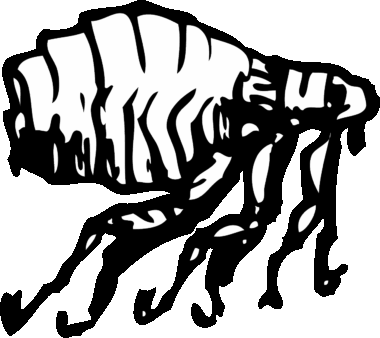

Digestive Symptoms of Parasite Infestation in Cats
When parasites invade a cat’s digestive system, noticeable symptoms may arise. Commonly, one may observe changes in the cat’s appetite. Some felines may exhibit increased hunger while others might eat less. Furthermore, significant weight loss could occur despite any outward signs of eating. Another digestive symptom is vomiting, characterized by the expulsion of food shortly after eating. Cats may vomit frequently, which can be distressing for both the cat and owner. Diarrhea is another prevalent symptom, where the stool may be loose or watery. This, combined with other digestive issues, leads to dehydration and discomfort. Cats in distress may also suffer from lethargy and reduced energy levels, making them less interactive and playful. The presence of worms may even result in visible parasites in the feces or around the cat’s bottom. Cat owners should regularly monitor their pets for any significant changes in behavior or appearance. Early detection of such symptoms is crucial for effective treatment. If any of these symptoms persist, it is imperative to consult a veterinarian for diagnosis and appropriate intervention. Early action can help alleviate discomfort and contribute to the cat’s overall health.
Another key observation often includes unusual stool, which may be indicative of various gastrointestinal issues. Cats experiencing parasite issues might produce stools that are significantly darker or lighter than normal. Blood or mucus may also be present in the feces, raising valid concerns about more severe health issues. Weight gain is usually neglected as a symptom, as it can be offset by parasites consuming essential nutrients. Cats suffering from intestinal parasites may exhibit signs of acid reflux, leading to burping or unusual behaviors after eating, which can also be distressing or alarming. One may also notice a bloated abdomen, indicating inflammation or gas buildup. Hair loss around the rear can arise from pudgy parasites causing irritation or discomfort. In severe cases, infections can lead to colitis, which is inflammation of the colon. Affected cats may strain while defecating and display discomfort during this process. Detecting parasites in a cat requires more than just visual observation; fecal examinations are vital for proper diagnosis. Owners must take these symptoms seriously, understanding that timely medical intervention can lead to faster recovery and improved quality of life for the affected feline.
Additionally, increased grooming behavior is noteworthy in cats experiencing intestinal distress. Such changes can indicate discomfort that results in the cat attempting to alleviate this sensation by cleaning itself excessively. A cat’s coat may deteriorate into a dull or scruffy appearance, signaling poor nutrition caused by parasitic interference. These parasites can rob a cat’s body of vital nutrients, leading to observable changes in overall health. Signs like dehydration, lethargy, and reduced activity levels can lead to further complications. Moreover, a cat’s behavior can shift, as it may seem more irritable or withdrawn than usual. Mood changes can stem from physical discomfort, linking the parasite infestation with emotional well-being. Owners need to understand that these changes are not merely behavioral; they relate to the underlying digestive issues stemming from parasites. Affected cats might also exhibit excessive thirst due to dehydration from vomiting or diarrhea. One should ensure that fresh, clean water is always available to alleviate this issue. Alongside monitoring their cat’s physical symptoms, consulting a vet becomes paramount in managing their overall health and addressing parasitic challenges that adversely affect flourishing.
Recognizing Immediate Treatment Needs
Recognizing and addressing these symptoms early can make a significant difference in treatment efficacy. Initially, it involves bringing the cat to a veterinarian for an accurate diagnosis. Diagnostic tests, including stool examinations or blood tests, help determine the specific type of parasite affecting your pet. Once diagnosed, treatment typically involves deworming medication suitable for the identified parasite. It’s crucial to follow the veterinary guidelines when administering these treatments, as incorrect dosages can lead to adverse effects. In addition to medications, dietary adjustments may be necessary to restore gut health post-infestation. A high-quality, easily digestible diet can help in recovering lost nutrients while alleviating digestive disturbances. Moreover, there might be follow-up visits required to ensure the parasite is entirely eradicated. Successful treatment also takes time, so patience is essential during the recovery phase. Altering a cat’s living environment also could minimize the risk of reinfestation, incorporating hygiene measures such as cleaning litter boxes regularly and preventing access to potentially contaminated areas. Learning about the types of parasites and symptoms can empower owners in providing better care and preventive measures for their beloved cats.
Overall, digesting the wide range of symptoms and ensuring timely treatment is vital for your cat’s health. While internal parasites are often manageable with proper care, they pose varying degrees of risk if neglected. Regular veterinary check-ups can assist in early identification and prevention of parasite infestation. For instance, stool samples examined periodically can catch potential issues before they escalate into serious health problems. Ensuring that the cat is on a routine deworming schedule contributes significantly to its overall well-being. It’s essential to keep an eye on food sources and avoid feeding raw or undercooked meat, which can pose additional risks for parasitic transmission. In addition, flea prevention treatments can minimize the likelihood of some parasites being ingested through fleas. Owners also should be aware of habitats that may harbor these parasites and limit their area of exposure. Engaging with other pet owners and veterinary advice can further create awareness regarding parasite control. Even if no symptoms are observed, regular health checks should remain ingrained as part of a responsible pet ownership approach, safeguarding against infestations and ultimately ensuring a healthy, happy cat.
Learning about these digestive symptoms invites more robust pet care among cat owners. Parasitic infection can escalate quickly, influencing not just the cat’s gut health but also the total body condition. Hence, a proactive approach to parasite control is paramount. Awareness of potential environmental risks helps mitigate situations leading to infections. Owners should regularly check their environment, including cat bedding, feeding bowls, and common resting spots, for any signs of ingested or external parasites. Additionally, fostering habits like observing their cat’s behavior aids in identifying unusual symptoms early. Establishing a strong relationship with a veterinarian enables owners to stay informed regarding effective products and preventative strategies available in the market. Many products are designed to target specific parasites, ensuring a focused approach to treatment. There are also handy apps available for tracking vaccine schedules and parasite treatments, keeping pet owners organized and informed. Ultimately, the goal is to create a holistic approach to maintain feline health, mitigating issues before they arise. Collaboration between owners and veterinarians fosters a stronger commitment to maximizing health care ensuring happiness in cats through diligent management of parasitic threats.
Conclusion and Ongoing Monitoring
In conclusion, understanding and recognizing digestive symptoms of parasite infestation in cats is crucial for maintaining their health. Early detection often leads to more successful treatment, saving both time and costs associated with severe infections. By keeping a vigilant eye on the cat’s behavior, owners can pinpoint issues before they escalate, ensuring a higher quality of life. Regular veterinary check-ups, combined with adherence to preventive measures, contribute significantly to safeguarding against potential infestations. Education plays a vital role in empowering cat owners to take appropriate actions when necessary. Familiarizing oneself with common parasites and their symptoms may spur proactive measures before any infection occurs. Moreover, sharing information within pet-owning communities fosters better understanding and vigilance. Overall, pet ownership entails responsibilities beyond providing food and shelter. It involves being a conscientious guardian of a pet’s well-being, ensuring they remain healthy and lively. Ultimately, the keys to effective parasite control lie in education, prompt action, and ongoing monitoring of the cat’s physical condition and behavior, leading to a long, happy life together.
Thus, recognizing the urgent need for parasite control aligns with the broader objective of responsible pet ownership. By approaching awareness through understanding and observing symptoms, you embrace a more proactive strategy that ultimately benefits your feline friend. Taking time to declutter environments, thoroughly cleaning common areas, and ensuring access to preventive treatments all help bolster defenses against potential threats. Moreover, engaging discussions with veterinarians can provide further insights into personalized treatment plans tailored to specific pets. These considerations guarantee comprehensive health management strategies that stretch beyond mere symptoms. Developing good habits that contribute to preventive care positively impacts both you and your cat, enhancing the bond and overall happiness. Embrace the journey of education while remaining committed to a pet’s well-being. With attention and diligence, it is possible to safeguard your beloved pet against the harmful effects of parasites, ensuring their digestive health remains intact, and they continue to thrive. Awareness and education are cornerstones of successful management. By understanding the unique challenges parasites present and employing effective strategies, cat owners play an essential role in maintaining their pets’ health, happiness, and longevity.