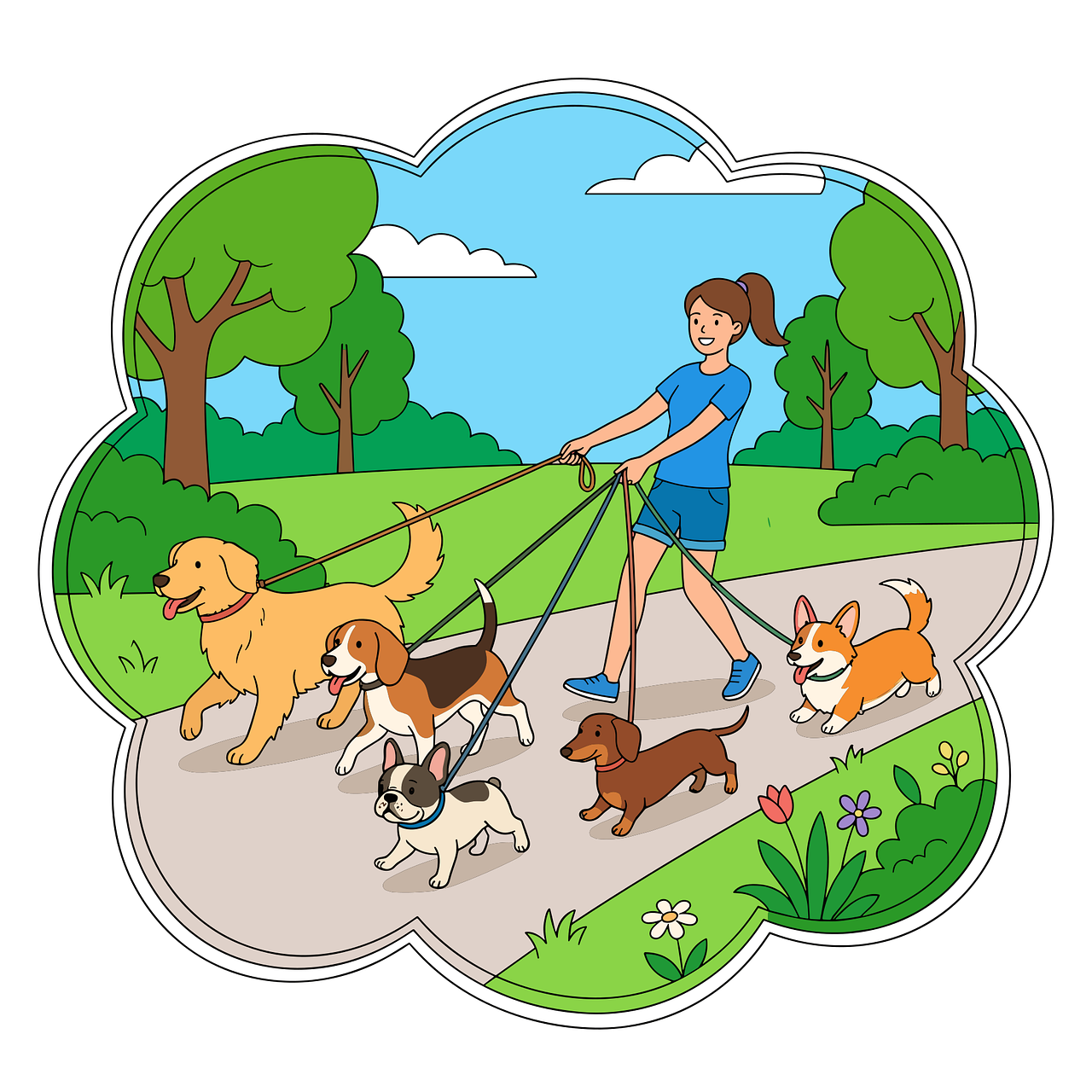

Effect of Predictable Routines on Aggression in Dogs
Understanding the relationship between daily routines and canine behavior is crucial for dog owners. Consistent daily structures provide comfort and security for dogs, leading to balanced behavior. When a dog knows what to expect throughout the day, it can reduce anxiety levels significantly. Predictable schedules enable dogs to process their environment better and collaborate with their human companions. Furthermore, regular, structured routines help establish trust between dog and owner, paving the way for better communication. Each activity, whether it be feeding, walking, or playing, aligns with that dog’s inner clock. Dogs thrive in environments where they feel a sense of stability and routine. This adherence creates less confusion and provides positive reinforcement for desirable behaviors. It is important to keep dogs mentally and physically stimulated throughout the day, ensuring that their needs are met within a defined framework. When dogs experience unpredictability, it can lead to stress, which sometimes manifests as aggression. Consequently, structured daily routines not only benefit behavioral management but can also prevent the emergence of aggressive tendencies in dogs.
Additionally, dogs often mirror the emotional states of their human companions. If you anticipate your dog’s needs and respond consistently, they are less likely to develop frustrations. When positive routines are employed, dogs can express their inherent personalities without fear or stress. Routine activities like regular exercise can significantly diminish aggressive behaviors. Physical activity not only helps to channel energy positively but also fosters well-being, thus preventing pent-up frustrations from bubbling over into hostility. A well-exercised dog who understands the daily schedule is typically calmer and less prone to aggression. Providing mental stimulation, such as puzzle toys or training, can also be worked into their routine, keeping their minds active and engaged. This mental engagement complements physical activity, creating a well-rounded approach to their care. Dogs appreciate knowing when it is time for these activities, enhancing their comfort level. Establishing these positive patterns daily reinforces good behavior traits, solidifying the bond between dog and owner. Ultimately, investing time to develop structured routines can lead to a happier, healthier dog less likely to engage in aggressive behaviors.
Signs of Routine Disruption
Recognizing signs of routine disruption is essential for dog owners. Unpredictable changes can lead to stress and anxiety manifesting as aggression. If your dog exhibits restless behavior, excessive barking, or declines in appetite, these may be indicators that their routine has been interrupted. Also, watch for signs of withdrawal or irritability. A formerly social dog may begin to distance itself or display aggressive postures when its predictable routine is altered. Changes in environmental factors, such as moving houses or a new family member, can significantly affect your dog’s behavior. If routines such as feeding or exercise times are inconsistent, it can create chaos in their understanding of daily life. Observing alterations in your dog’s demeanor can help identify when adjustments are needed to re-establish a sense of order. Ensuring consistency in daily practices helps mitigate behavioral adjustments, enhancing their comfort levels. Many dogs thrive best when their surroundings are stable and predictable. Providing the necessary adjustments can lead to a reduction in aggression symptoms, promoting a more harmonious household. Ultimately, being aware of these signs helps guide pet parents in diagnosing behavioral issues promptly and effectively.
Creating a predictable environment involves establishing clear boundaries and guidelines. For instance, consistent reinforcement of obedience commands during routine activities fosters an atmosphere of security. It becomes essential to teach dogs the right behaviors through repetition in familiar scenarios, reinforcing their understanding. Owners should work toward providing a safe space for dogs where they feel secure, such as a designated area. This control smaller adjustments provides them a semblance of stability. Additionally, integrating grooming into the routine helps dogs become accustomed to physical interaction, further reinforcing trust. If they associate routine grooming with positive experiences, they become calmer and less likely to react aggressively during unfamiliar situations. Likewise, specific cues help a dog make associations with certain times of day, reducing their anxiety and increasing predictability. By linking activities to specific cues or times, dogs are better equipped to respond calmly. Consistency in correcting undesirable behaviors or praising good actions also fosters improved behavioral patterns over time. The more predictable their world becomes, the easier it is for the dog to internalize appropriate behaviors. This yields a holistic improvement for both dog and owner, ultimately reducing instances of unnecessary aggression.
The Role of Socialization
Socialization plays a pivotal role in shaping a dog’s response to predictable routines and mitigates aggressive behaviors. Ensuring your dog interacts regularly with other dogs and humans fosters confidence and familiarity. Positive interactions help them form healthy relationships, further embedding their routines. During socialization, introducing your dog to new experiences gradually leads to a more adaptable pet. As dogs learn to navigate new situations within a predictable framework, it fosters adaptability. A well-socialized dog tends to exhibit fewer signs of aggression, as they become used to a variety of situations and stimuli. Regular exposure ensures that they encounter new scenarios under controlled circumstances, allowing them to adjust without fear. It is vital to reinforce positive behaviors during these interactions to meet their evolving social skills. Additionally, maintaining regular contact with other dogs enables them to establish a social order, decreasing tendencies for dominance-related aggression. Each successful encounter contributes to their understanding, improving overall interactions. Routine socialization becomes a powerful tool for keeping dogs balanced and preventing aggression, thereby enhancing household harmony. Therefore, finding the right outlets for your dog’s social needs is crucial to their overall emotional stability.
Moreover, training reinforces the predictability of daily routines and reduces aggressive behaviors in dogs. Training should be approached as a regular part of a dog’s life, integrated into daily routines. Scheduling consistent training sessions helps dogs know when to expect mental challenges. Using positive reinforcement techniques during training directly impacts a dog’s confidence, making it less likely for aggression to arise. Training tasks create structure and help channel energy positively. As dogs learn new commands or tricks, they experience a sense of accomplishment, fostering obedience and reducing frustration. Moreover, the bond formed during training sessions results in enhanced understanding between dog and owner. When dogs feel secure in communicating with their humans, they become more adaptable to changes in daily life. Regular practice of commands also serves to forge a clear hierarchy, which can prevent aggressive behavior stemming from uncertainty or insecurity. Expecting dogs to adhere to set rules fosters an environment where they thrive. The resulting structure provides dogs rhythm while minimizing potential triggers for aggression. This balance ultimately contributes to a positive emotional state, enhancing overall behavior throughout the day.
Conclusion: The Importance of Routine
In conclusion, establishing predictable routines is a crucial step for responsible dog owners wanting to mitigate aggression. Dogs are creatures of habit, and their ability to thrive relies heavily on the stability provided by consistent schedules. From feeding times to exercise and social interactions, each aspect plays a significant role in a dog’s psychological health. By integrating structured routines into their care, owners can effectively reduce the likelihood of stress-induced aggression. Observing and responding to signs of routine disruption, participating in regular training and socialization, and prioritizing mental engagement assist in maintaining balance. Ultimately, dogs thrive when they have their needs met in a routine format. The efforts made by pet owners to create a predictable environment yield mutual benefits, improving the dog-owner relationship and boosting the dog’s well-being. This holistic approach to canine care not only addresses aggression but also promotes overall satisfaction and happiness in dogs. As responsible pet guardians, recognizing and implementing these systemic benefits is vital in any canine household. Going forward, a commitment to creating routine-centric lives will ensure happier, calmer, and well-adjusted dogs.