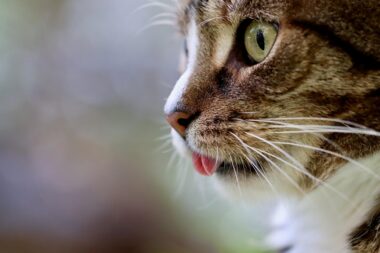

Environmental Enrichment for Senior Cats with Cognitive Issues
Senior cats often face cognitive dysfunction, which can significantly impact their quality of life. Environmental enrichment can play a crucial role in alleviating some of the symptoms associated with cognitive decline. Providing a stimulating environment encourages mental engagement, helping to maintain cognitive function. Simple activities such as interactive toys, scratchers, or climbing trees can boost both mental and physical stimulation. Cats enjoy exploring their territory, and introducing new elements can spark curiosity. Consider offering puzzle feeders that require problem-solving skills, enhancing their abilities. Additionally, rotating toys can keep their interest alive. Social interactions are vital for mental health; therefore, spending quality time with your cat can foster a strong bond and reduce signs of anxiety. Understanding your cat’s preferences is vital; some may enjoy solo play, while others may prefer companions. Constant observation will inform you about the best enrichment methods. Routine and predictability can create comfort, which is particularly beneficial for cats experiencing cognitive impairment. Your senior cat deserves a nurturing home environment that promotes mental health and overall well-being.
Creating a safe and designated space for your senior cat is essential. This space should bring comfort yet also offer various enrichment opportunities. Incorporate familiar bedding along with new layers to provide areas for exploration without stress. Senior cats often appreciate having places to retreat when feeling overwhelmed. By adding vertical spaces, such as shelves or cat trees, they can engage their natural climbing instincts. Moreover, consider soft carriers that allow them to feel protected while providing exposure to different rooms in the house. It’s important to maintain accessibility; ramps or steps can help them navigate these spaces easily. Engaging your senior feline friend with multiple textures can stimulate their senses effectively. For example, you can add different fabrics, scratchers or even cat grass. Reorganizing furniture can create fresh pathways and encourages exploration within familiar territory. Regularly assess your cat’s reactions to various setups to ensure they feel comfortable and stimulated. Enrichment isn’t a one-time effort; regular updates can maintain interest and prevent boredom. Be patient and allow your cat to adjust to new changes gradually while always prioritizing their comfort and safety.
Implementing Sensory Enrichment
Sensory enrichment is crucial for senior cats with cognitive dysfunction. Engaging all five senses—sight, smell, touch, taste, and hearing—can help stimulate their minds and combat cognitive decline. Start with visual stimulation; various cat-friendly accessories can add color and movement to their environment. For instance, consider using window perches to allow your cat to observe the outside world. Bright, interactive toys that move or make noises can also engage their sight and hearing. Next, focus on scents; cats enjoy different aromas, including catnip and silver vine, which can promote playfulness and a sense of safety. For taste, consider providing varied nutritious treats to stimulate their appetites and keep them interested in mealtime. Textural experiences can come from using different surfaces and materials for their resting areas or play areas. Senior cats can exhibit preferences for specific textures, so it’s worth experimenting with types of bedding and surfaces. Engaging their senses in this manner can enhance their enjoyment of everyday life, promoting mental well-being while reducing anxiety caused by cognitive decline.
Incorporating interactive play into your senior cat’s daily routine is vital. Engaging activities can assist in processing cognitive functions while providing some much-needed physical exercise. Consider the variety of toys available, from feather wands to laser pointers, which can stimulate instincts, encouraging your cat to engage. If your senior cat is less mobile, low-impact activities can be introduced, such as rolling balls or string toys they can easily paw at while remaining on their bedding. Remember to follow your cat’s pace; if they tire easily, short but frequent play sessions are ideal. Varying the play routine helps prevent boredom and keeps their mind active. Social interaction is equally important; playtime with humans can enhance bonding and emotional support. Establishing a regular play schedule can provide structure and predictability, which is comforting for senior cats experiencing cognitive issues. A proactive approach to play can improve their mood and quality of life considerably. Monitor your cat’s responsiveness during playtime, adapting to their needs, and always celebrate their achievements, no matter how small. Such engagement continues to promote a healthy mindset while creating a lively living environment.
Importance of Routine and Structure
Understanding and implementing a routine is incredibly beneficial for senior cats grappling with cognitive dysfunction. Cats thrive on consistency and predictability, which helps them navigate their surroundings with confidence. Establish specific feeding times, play sessions, and quiet times throughout the day to create a structured environment. This predictability minimizes anxiety because your cat will always know what to expect. It’s advisable to maintain a consistent layout in your home; shifting furniture can lead to disorientation, particularly for senior cats. Consider using litter boxes, food, and water bowls in familiar locations they’ve always known. Gradually moving a bowl or litter box can be a useful strategy if you must relocate them. It’s also essential to keep enrichment activities, including playtime and rest periods, at consistent times each day, promoting an overall sense of safety and security. By creating a comforting routine, you can support their cognitive health positively. Senior cats may require more downtime, so structure their day to incorporate adequate rest while balancing activity, enhancing their well-being, and decreasing potential stressors in their life.
Communication is key to understanding your senior cat’s needs. Senior cats experience various health issues; open lines of communication will help you and your veterinarian create tailored care. Engaging with them through affectionate interaction or observing their behavior can offer insights into their emotional and cognitive health. Minimal changes in their attitude and activity levels can signal underlying issues. Consider how often you interact with your senior cat; spending quality time can help assess their emotional and cognitive well-being effectively. Journaling their behaviors and changes might reveal patterns that can lead to timely interventions. Additionally, consider including your veterinarian in implementing cognitive enrichment strategies; they may provide specialized recommendations based on your cat’s unique health circumstances. Trust your instincts; if you notice any potential red flags—such as increased aimlessness, hiding, or disrupted sleep patterns—seek professional advice. Establishing an awareness of your cat’s needs will lead to a better, enriched life experience. Always remember that your involvement and attentiveness directly contribute to their well-being, offering the emotional support that senior cats often need in their later years.
Final Thoughts on Enrichment Practices
In summary, environmental enrichment holds the potential to enhance the quality of life for senior cats suffering from cognitive dysfunction. By thoughtfully integrating various stimulation methods—sensory engagement, structured routines, and interactive play—their cognitive health can significantly improve. More than just maintaining physical activity, encompassing mental engagement is vital to negate the effects of cognitive decline. All these elements synergistically foster an enriched environment where your senior cat can thrive. Adjusting to changes, like introducing new activities, will take time; thus, patience is key. Understanding that each cat is unique in their preferences will help tailor the enrichment efforts to suit their individual needs. Your awareness and vigilance while implementing these practices will lead to enhancing their comfort and joy at home. The journey of caring for a senior cat requires commitment, but it also offers a chance to bond and share special moments. Providing them with the love, structure, and engagement they need can lead to a more fulfilling life, full of shared happiness and less anxiety. As you support your senior feline companion through their golden years, cherish the time you have together and celebrate each moment.
Emphasizing the significance of cognitive enrichment will ensure a lasting bond with your senior cat. Like humans, our beloved pets deserve an environment that nurtures their mental health while embracing their emotional needs. Understanding that every effort counts will contribute to alleviating the effects of cognitive dysfunction. The right combination of comfort, engagement, and challenging experiences will allow your senior feline family member to find fulfillment and happiness in daily life, no matter their age. Creating a consistently positive interaction yields the most beneficial outcomes. As caregivers, creating an enriching environment is both a privilege and a responsibility, fostering lifelong connections, companionship, and mutual understanding.