
How Exercise Can Affect Heatstroke Risks in Dogs
Heatstroke is a critical concern for dog owners, particularly in warmer months. Dogs are particularly susceptible to overheating due to their unique physiology. It can occur when dogs exert themselves under high temperatures, especially during exercise. When dogs exercise, their body temperature rises, and if the temperatures are excessive, they can succumb to heatstroke. Effective measures help protect them during intense exercise periods. First, know your dog’s breed; some breeds are more susceptible to heat-related problems. For instance, brachycephalic breeds, like Bulldogs and Pugs, can’t cool themselves effectively. Remember to adjust the exercise intensity based on the temperature and humidity levels. If it is very hot, consider taking your dog out for shorter walks or opting for cooler, shaded environments. You should always have fresh water available, as hydration is essential to prevent overheating. Observing your dog closely for excessive panting, drooling, or lethargy during exercise can help identify heat stress early. At any sign of overheating, take immediate action by moving your dog to a shaded area and applying cool water to their body.
Proper management of exercise times is crucial in minimizing heatstroke risks. Early morning or late evening walks are preferable for dogs in hot weather. During the hottest hours, heat intensifies and can become dangerous. Additionally, adjust your dog’s physical activities according to their age and health condition. Senior dogs and those suffering from pre-existing health issues may be more vulnerable. It’s also wise to choose gentler activities that accommodate their physical capabilities. For instance, instead of playing vigorous fetch or running, consider leisurely strolls that still allow exploration without overexertion. Regular breaks during activity can help your dog recover while providing necessary hydration opportunities. Monitoring your dog’s behavior can be an early indicator; if they seem tired or are panting excessively, it is crucial to stop and offer water. Signs of heatstroke can escalate quickly. Familiarize yourself with emergency measures to administer in case of overheating. Cooling off techniques include immersing them in water while ensuring their head stays above the surface and applying cool, wet towels to areas that retain heat, such as the paws and groin.
Understanding Signs of Heatstroke
Being knowledgeable about heatstroke signs is key to a dog owner’s responsibilities. When a dog becomes overheated, it may show specific warning signs that require immediate attention. Common symptoms include excessive panting, drooling or a bright red tongue. Dogs may also appear disoriented or uncoordinated, exhibiting unusual behavior like stumbling or laying down. If your dog seems unusually tired or lethargic, it’s vital to take immediate action. Other signs may include vomiting, diarrhea, or seizures, which indicate a serious medical crisis requiring urgent veterinary care. In cases of mild heat stress, allowing the dog to cool down sometimes reverses the symptoms quickly. Moving your pet to a cooler environment, offering them water, and highlighting the importance of gentle petting to encourage relaxation can make a difference. However, if symptoms persist or worsen, seeking emergency care is vital. Heatstroke can escalate quickly and lead to long-term health repercussions. Regular vet check-ups can also help manage these risks effectively by ensuring your dog’s health status is regularly evaluated and monitored.
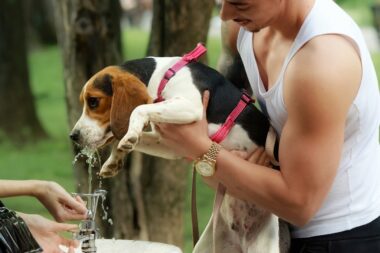
Hydration plays a fundamental role in preventing heat-related issues for dogs during exercise. Dogs should always have access to fresh and cool water regardless of weather conditions. Proper hydration facilitates temperature regulation, making it harder for them to overheat during physical activities. When exercising in warm weather, it is vital to provide water breaks every 15–20 minutes, especially if you notice any signs of panting or fatigue. Consider using portable water containers during outings, ensuring your dog receives the hydration it needs consistently. Observe your dog’s drinking habits, as some might require encouragement to drink enough during hot days. Additionally, certain dogs may benefit from ice cubes or specialized ice treats to keep them cool and hydrated. Some pet owners also opt for adding electrolyte solutions to their dog’s water, especially during periods of increased physical activity. However, consult your veterinarian before introducing new products or changes to your dog’s diet. Maintaining hydration is a continuous responsibility that directly impacts your dog’s capability to cope with their environment effectively and enjoy their exercise routines safely.
Timing and Type of Exercise
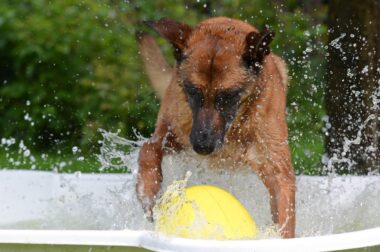
Understanding which types of exercises are appropriate can significantly impact heatstroke risks. Not all activities are equally strenuous and may not create the same heat stress on a dog’s body. Low-impact exercises, such as walking or swimming, are generally more favorable during hot conditions. Swimming is particularly beneficial, as it provides relief from the heat while allowing the dog to enjoy physical activity. Conversely, high-impact exercises like running or fetch in open areas pose a risk of overheating quickly. It’s essential to adapt your dog’s exercise routine to the environmental conditions. If the temperature reaches above 85°F (29°C), reconsider outdoor activities; instead, opt for indoor play that avoids the heat. While dogs need exercise, recognizing their limits and avoiding excessive strain can safeguard against heat-related concerns. Redirecting full strength play to interactive toys or puzzle games indoors creates an outlet for energy without risking heat exposure. Always pay close attention to local weather reports and understand your dog’s tolerance levels when selecting when and how they exercise.
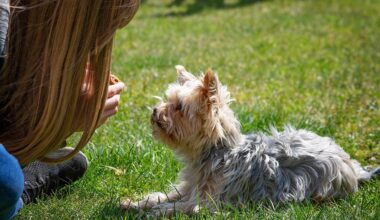
Training your dog to recognize safe exercise behaviors is invaluable for their heat safety. Teaching commands like ‘slow down’ or ‘come’ can help control their enthusiasm during outdoor exercise. Consistent reinforcement of these commands allows you to ensure they are not pushing themselves too hard. Socializing your dog with other pets exposes them to different behaviors; observe how they engage in play and adapt accordingly. Additionally, varied environments can also provide stimulation without causing overheating while allowing for learning new skills. Indoor training sessions focused on essential commands and tricks can also serve as engaging alternatives on hot days. Regular interaction under cooler conditions can significantly reduce the likelihood of heat issues during later outdoor exercises. Always keep your dog’s comfort in mind; if a dog shows signs of exhaustion, give them a break and reward the behavior with praises or treats. Remember that pet training goes beyond exercise; recognizing when to stop or cool down is a significant element of responsible pet ownership. Teach your dog to enjoy their exercise without compromising their health or safety.
Conclusion: Responsible Heat Management
In conclusion, managing your dog’s exercise routine is essential to prevent heatstroke. Understanding and adapting to temperature conditions can protect your furry friend during outdoor activities. Regular monitoring for signs of overheating, providing ample hydration, and opting for low-impact exercises tailored to your dog’s needs are all crucial components of risk management. Train your dog to recognize the balance between activity and rest, improving their ability to cope with heat while enjoying play. Vet check-ups can help determine the best exercise programs based on individual health needs and conditions. Furthermore, consider investing in dog items suitable for outdoor use, including cooling vests and shade tents for further protection. Being proactive about how and when you exercise your dog can save their life during peak heat periods. Always prioritize your dog’s health by adjusting their routine as necessary. By investing time and energy into understanding these risks and implementing strategies, dog owners can provide a safer exercise environment. Ultimately, collaboration between knowledge and responsibility ensures that you and your canine companion enjoy a happy, healthy lifestyle together.
Remember that a dog’s safety and wellbeing start with responsible choices. By tailoring exercise to seasonal changes while ensuring they remain hydrated and cool, you create a routine that fosters health and joy. Engaging with your dog, while being keenly aware of environmental factors, brings peace of mind and deepen the bond you share. The knowledge gained from understanding heatstroke informs better decisions that prioritize your dog’s heat management. Every action taken with these principles in mind contributes to their overall quality of life. Engage your dogs in fun, safe ways that promote healthy living through attention and care. The love and attention given are priceless, reflecting in their health and happiness. You have the power to create a thriving environment for your canine friend by staying informed and proactive. Ensuring your beloved pet enjoys outdoor activities safely during the hot months can enhance their daily life. Share your knowledge with fellow pet owners, creating a community dedicated to safe practices and camaraderie. By promoting responsible heat management for dogs, we can ensure they live long, enjoyable lives filled with adventure.