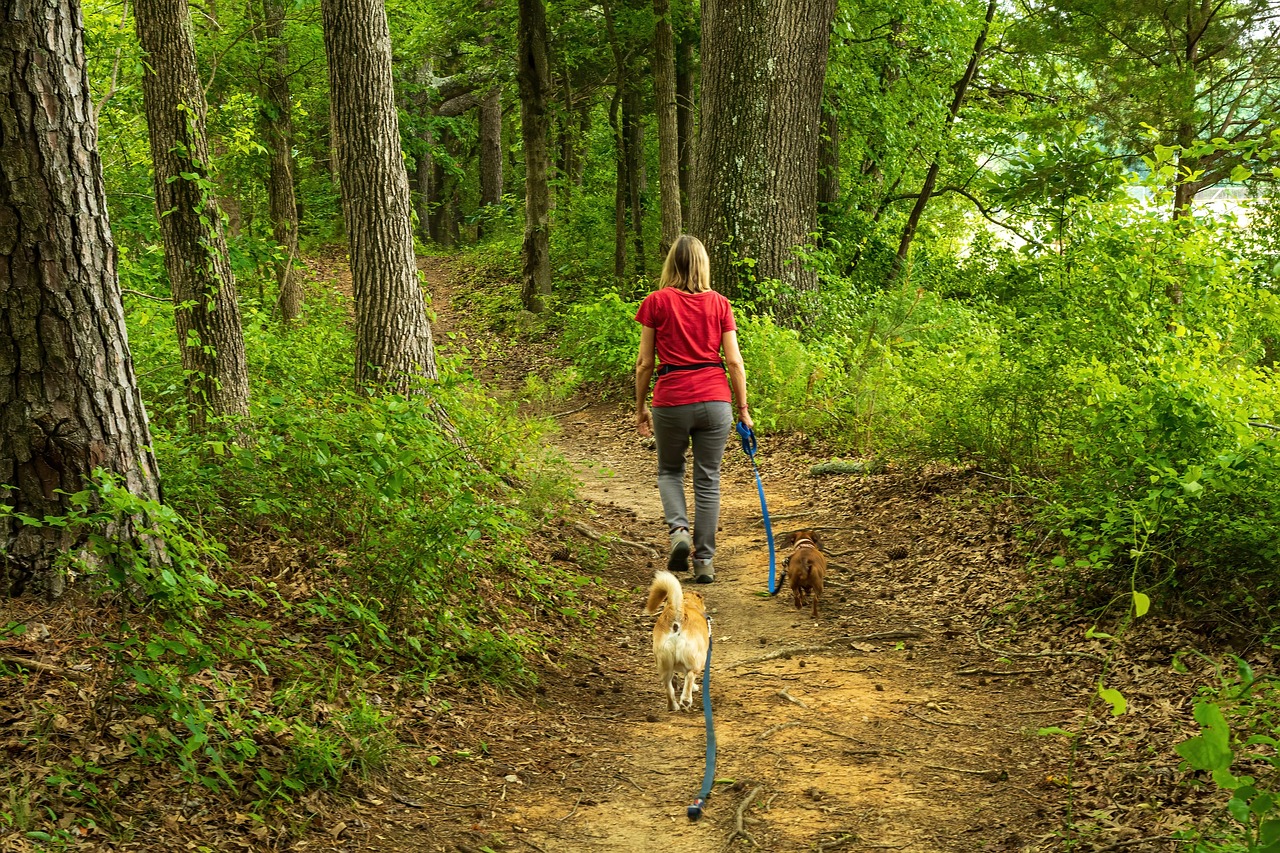

How to Read and Respect Other Dog Walkers on the Trail
Walking your dog can be a delightful experience, but it also involves being considerate towards other dog walkers on the trail. Understanding the unspoken rules helps create a pleasant atmosphere. Firstly, it’s essential to observe distance; not all dogs enjoy close encounters with others. Maintain a respectful distance to avoid overwhelming your dog and others. Additionally, watch your dog’s body language, as stress signals can indicate discomfort. Stay alert and be aware of your surroundings to react appropriately. Furthermore, leash control is critical; even friendly dogs can be unpredictable. Keep your dog on a leash unless in designated running areas to ensure everyone’s safety. When approaching other walkers, it’s courteous to communicate, perhaps by asking whether they’re comfortable interacting or passing by. Most people appreciate courtesy and will respond positively. Lastly, clean up after your dog to maintain cleanliness on shared trails. Carry waste bags and dispose of them properly to uphold community standards. By following these simple techniques, you not only respect other dog walkers but also contribute to an enjoyable environment for everyone involved.
Another significant factor is understanding the various types of dogs on the trail. Different breeds have different temperaments, and it’s crucial to gauge each dog’s comfort level. For instance, some dogs might be wary of large breeds while others might appear overly excited when meeting smaller dogs. Always introduce dogs slowly to gauge their reactions. Offering space to those who seem nervous is a respectful practice. Furthermore, mindful communication is valuable; if you see another walker, a friendly smile or nod can help establish a positive environment. Avoid loud outbursts or abrupt movements that could startle dogs. If your dog has a tendency for aggression or over-excitement, it’s advisable to steer clear of crowded areas. Sometimes, it’s best to wait for a moment when the trail is quieter to avoid any potential tension. Maintaining a calm demeanor can influence your dog’s behavior positively. Moreover, sharing tips with fellow walkers can enhance the experience. Many dog owners appreciate advice about training or handling specific situations, allowing for mutual growth and understanding. Be open to conversations that can lead to helpful exchanges of ideas.
Etiquette on the Trail
Dog walking etiquette is paramount for creating a harmonious atmosphere on public trails. Respecting others begins with your approach toward them. If you see another dog walker approaching, it’s polite to step aside and allow space. This gesture shows consideration for both their safety and your dog’s well-being. Remember to keep your dog at your side and on a short leash, particularly if you approach unfamiliar dogs. Additionally, dog-friendly trails often have specific guidelines marking leash regulations. Familiarize yourself with these rules before heading out; compliance is crucial for local wildlife and other trail users. Always remain attentive to any signs that indicate dog-friendly zones or leash-free activities. In areas where dogs may roam free, remain vigilant to instances that could lead to conflicts. Sharing trails extends beyond just dogs; be considerate of cyclists and joggers who may be passing through. Make room for others if necessary, and ensure your dog is under control to avoid accidents. Such flexibility and polite behavior foster a better experience for everyone, encouraging more public spaces where dogs can enjoy their time outdoors.
Moreover, understanding trail etiquette goes hand-in-hand with environmental consciousness. Dog owners should consider the impact of their presence on local ecosystems. When walking, always be mindful of wildlife nearby. For example, if you encounter any wild animals, it’s important to keep a safe distance to avoid stressing them. Also, sticking to established paths is vital; cutting through brush can damage native vegetation and disrupt habitats. If enjoying nature is a common hobby among dog owners, try using dog-friendly products that are environmentally safe, such as biodegradable waste bags. Additionally, inform and encourage fellow walkers to adopt similar practices, thereby enhancing collective respect for nature. Using eco-friendly products fosters a sense of community in dog ownership and promotes better maintenance of shared environments. The goal is to leave the area cleaner than you found it! By participating actively in conservation efforts, your actions reflect the community’s values towards sustainability. Creating a safe and responsible atmosphere benefits not only the dogs and their owners but also other trail users. Ultimately, every crucial step matters in nurturing both the well-being of pets and the environment.
Effective Communication with Other Walkers
Effective communication plays a pivotal role when engaging with other dog walkers. Before getting too close, assess the demeanor of the dogs involved. If their body language seems relaxed, a simple greeting can initiate a pleasant exchange; if they seem tense or aggressive, it’s wise to keep your distance. Leash up and maintain a calm tone during your interactions. Moreover, clear body language is important; using hand signals or gestures can convey intentions without adding stress to the dogs. Creating a non-confrontational atmosphere ensures that both parties feel comfortable. If you’re in a group setting or a popular park, raising awareness about your intentions helps promote shared experiences. Always remain polite and friendly; positive encounters encourage camaraderie among dog owners. However, remain mindful and respectful of personal space. Some dog owners may prefer to keep their dogs away from others. Should you wish to interact, ask permission first; respectful inquiries create an inclusive atmosphere. Additionally, sharing helpful resources such as local trainers or pet events benefits everyone in the dog-owning community. Open dialogue nurtures an interconnected environment for all pet lovers.
Furthermore, managing your dog’s behavior during interactions is significant. Teaching your dog to be calm around others enhances their social skills. For instance, practicing controlled greetings at home can prepare them for trail encounters. Training allows for better management when meeting different dogs and helps reduce anxiety. Positive reinforcement techniques encourage desirable behaviors, creating a calm demeanor during walks. Additionally, if your dog tends to bark or jump at others, work on addressing those behaviors beforehand. Engaging with trainers or attending classes can greatly benefit you and your dog. Knowing effective strategies can help both you and your dog adapt better when meeting new friends on the trail. Regular exercise and socialization for your dog are also crucial elements. Ensuring that your pet is adequately tired from exercise decreases the likelihood of excessive excitement or nervousness. Incorporate various environments to expose them gradually to different stimuli. By focusing on training and socialization, dog owners can prepare themselves and their pets for positive interactions. Ultimately, engaging responsibly fosters an enjoyable atmosphere that highlights respect for all trail users.
Creating a Positive Trail Experience
In conclusion, creating a positive trail experience for all participants is highly achievable through mindfulness and consideration. Anticipating the needs of other walkers creates smoother interactions that will result in a more enjoyable outing for everyone involved. Agreements on mutual space, respectful distances, and appropriate communications foster an atmosphere of cordiality. When stepping onto the trail, possess an awareness that every single dog has its unique disposition. Consequently, approaching each situation individually helps ensure that both dogs and their owners are comfortable in their surroundings. Importantly, establishing personal boundaries plays a huge role. If someone approaches and you feel uncertain about the interaction, kindly communicate your wants while remaining friendly. Establishing fruitful conversations about dog ownership encourages the sharing of insights, allowing for valuable experiences amongst peers. In addition, focusing on environmental responsibility serves as an ongoing reminder of maintaining shared spaces. Cleaning up after your dog and leaving nature untouched showcases an understanding of shared stewardship. By embracing these techniques and cultivating empathy on the trails, we can ensure the well-being of ourselves, our dogs, and fellow walkers, resulting in pleasant walks for years to come.
Valuable experiences shared on the trails will contribute towards forming a bond between various dog owners. Understanding one another fosters relationships while enriching the experience we gain through observing behaviors of our pets together. Finding community events can lead to shared activities that allow dog owners to connect, which can strengthen friendships built on common interests. In this way, we start building networks that provide not only companionship but also knowledge sharing opportunities. Therefore, being open to feedback and learning from other experienced owners can greatly enhance one’s journey in dog ownership. Trusting fellow walkers while respecting their space ultimately leads to a sense of belonging in the local community. By being kind and approachable, one creates avenues for camaraderie while walking. In one way or another, they contribute to the overall morale of fellow trail users. Respect between dog owners, alongside their pets, builds an amazing atmosphere characterized by shared joy and appreciation of the outdoors. As dogs spread love, allowing respect toward other dog walkers creates an environment where everyone can enjoy their walks peacefully. A strong foundation in relationship-building leads to a richer experience on every outdoor adventure.