
How to Use Soft Lighting to Soothe Your Injured Cat
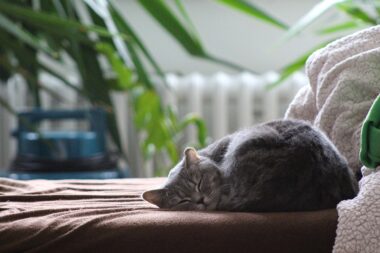
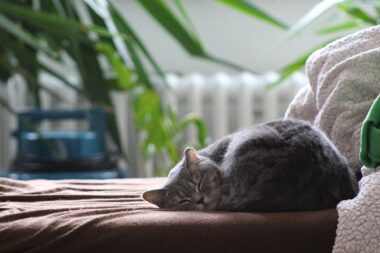
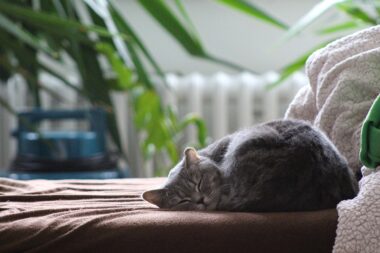
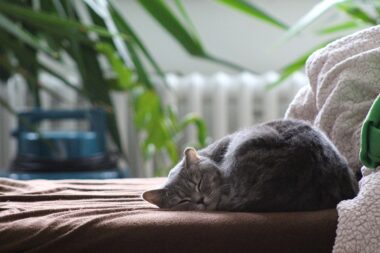
Creating a soothing environment for your injured cat is essential for their recovery. One effective way to achieve this is through the use of soft lighting. Bright, harsh lights can cause stress and discomfort for your feline friend. Instead, opt for low, warm lights that mimic a natural environment. Soft lighting reduces anxiety and promotes calmness, allowing your cat to feel safer. You can achieve this by using light dimmers or lamps with warm-toned bulbs. The gentler light helps in creating a serene atmosphere. Consider the placement of your lighting as well; avoiding direct light can also prevent discomfort. For additional comfort, use shades to diffuse the light further, softening the impact of illumination. You might also consider using colored bulbs, such as soft blue or green, which can create a tranquil space. Remember that every cat is different, so observe how your pet responds to different lighting options. The goal is to create a space where they feel secure, promoting a faster recovery. This small change can significantly impact your cat’s emotional well-being during healing.
In addition to using soft lighting, it’s essential to create a cozy area for your injured cat. Cats naturally seek out warm and safe spaces when they feel unwell. Provide plenty of blankets or soft bedding in a quiet, low-traffic corner of your home. Using familiar items, like their favorite blanket or toy, can help them feel more secure. Having a comfortable resting place encourages your cat to relax and recover. This specially designated zone should be away from loud noises and other pets, allowing your cat to have the privacy needed during this vulnerable time. You may also want to include some gentle sounds, such as soft music or nature sounds, to further soothe them. The combination of soft lighting, cozy bedding, and calming sounds creates an inviting atmosphere that can aid healing. Keep this area clean and adjust the room temperature to ensure their comfort. Cats can be very picky about their environment, so pay attention to their preferences. If your cat is particularly sensitive, creating a cave-like structure with the blankets can provide added security.
Consider Using Aromatherapy
Another effective strategy for creating a calm environment for your injured cat is the use of aromatherapy. Certain scents can have a calming effect on cats, making them feel more relaxed during stressful moments. Essential oils like lavender and chamomile are known for their soothing properties. However, it’s crucial to use them safely. Always dilute essential oils appropriately, ensuring they are not too strong. Be cautious, as some essential oils can be harmful to cats; avoid oils like tea tree or citrus. You can use a diffuser to gradually release pleasant aromas into the air. Alternatively, place a few drops on their bedding to provide a gentle scent. Leaving the room while the scent disperses can alleviate any discomfort your cat might initially feel. Observing your cat’s reaction to different aromas is vital, as every cat has unique preferences. Creating a multi-sensory experience, with soft lighting and pleasant scents, significantly enhances comfort and healing. Ensure any changes made to your cat’s environment are gradual to avoid added stress.
Incorporating gentle touch can significantly enhance your injured cat’s comfort. Soft lighting combined with petting can create a soothing experience that encourages relaxation. When your cat feels anxious, your touch can reassure them. Begin with gentle strokes along their back or head when they seem receptive. The warmth of your hand paired with soft illumination can have a calming effect, reinforcing the healing environment. Pay attention to your cat’s body language while petting. If they seem agitated, give them space and come back to it later. The goal is to create positive associations with gentle contact. Create a routine, slowly increasing the duration of these interactions as your cat becomes more comfortable. Consider using calming words or a gentle voice while you are near them. The combination of your soothing presence and the relaxed environment plays a crucial role in recovery. Remember that each cat has unique preferences for touch, so adapt your approach accordingly. Over time, your cat will associate the soft light and your gentle touch with healing and comfort.
Control the Temperature
The temperature of your cat’s environment also influences their comfort significantly. Ensure that the area remains at a warm, comfortable temperature, as injured cats may have increased sensitivity to drafts or cold surfaces. Utilize soft lighting to help maintain warmth and create a cozy atmosphere. If needed, consider using a heating pad or hot water bottle wrapped in a towel for added comfort. Always monitor your cat closely while using heat sources so they do not overheat or get burned. Layering blankets can also provide more warmth and comfort. Regularly check their temperature to ensure they are not too hot or too cold. A snug resting place allows cats to feel secure and promotes relaxation, crucial for their recovery process. Maintaining a stable temperature will help your cat feel safe in their environment. If your feline friend enjoys cozy spots, you might observe that they seek out those areas when they feel unwell. Adjusting the environment’s temperature and lighting will enhance their healing experience significantly.
To further enhance your injured cat’s environment, effectively managing noise levels is essential. Cats are sensitive to sound, and loud or sudden noises can provoke anxiety or fear. To minimize disruptions, try to keep your home quiet while your cat recovers. Close windows to block outside noises, and consider using white noise devices to mask sudden sounds. If your household typically experiences noise from children or pets, encourage them to be gentle and quiet around your injured cat. Create a peaceful zone where your cat can retreat and feel safe. Utilizing soft lighting can help complement a tranquil atmosphere conducive to healing. You may also consider using calming music at a low volume to mask disruptive sounds. Abstract soundscapes or soothing melodies can promote relaxation. Observing your cat’s response to different noise levels can provide insights into their comfort. The combination of a calm auditory environment with soft lighting creates a safe haven, fostering emotional support during their healing journey. Paying attention to these environmental factors is crucial in ensuring your cat feels secure.
Regular Monitoring and Adjustment
Regularly monitoring your cat’s comfort in their soothing environment is vital for recovery. As their needs change, being attentive allows you to adapt their surroundings for maximum support. Frequently check the lighting levels, ensuring they remain soft and calming, adjusting settings as necessary. Observe their reactions to various elements within their space. If certain scents seem to provoke discomfort or anxiety, consider replacing them with ones that soothe. Adjust the temperature to meet their comfort levels throughout the day, observing their reactions to changes. Create a routine that involves gradually introducing new elements while accounting for your cat’s preferences and needs. Frequent adjustments based on your observations can lead to a significant improvement in their emotional well-being. Additionally, tracking their recovery progress helps you identify what works best for them. Remember that patience is key; modifying their environment as necessary will demonstrate your commitment to their healing process. Your care and attention will help strengthen your bond, reassuring your cat during this challenging time and assisting in their recovery.
In conclusion, creating a calm and soothing environment for your injured cat requires careful thought and attention. The combination of soft lighting, cozy bedding, gentle touch, calming scents, controlled temperatures, minimized noise, and ongoing adjustments contributes to their overall comfort and recovery. Taking the time to understand your cat’s unique needs and preferences is vital in ensuring they feel secure during this vulnerable time. Each aspect of their environment plays a significant role in how they respond to their injury, whether it’s through soothing light or gentle sounds. Regularly checking in with your cat and making necessary changes will ensure that they continue to feel safe and supported as they heal. By providing the right ambiance and comfort, you can significantly assist in their emotional and physical recovery. Remember that every cat is unique, and observing their reactions will help refine your approach. Your commitment to creating a supportive and healing environment will foster trust and strengthen your relationship. Ultimately, a calm atmosphere plays a pivotal role in your cat’s journey to recovery, allowing them to heal more effectively and return to their playful selves.