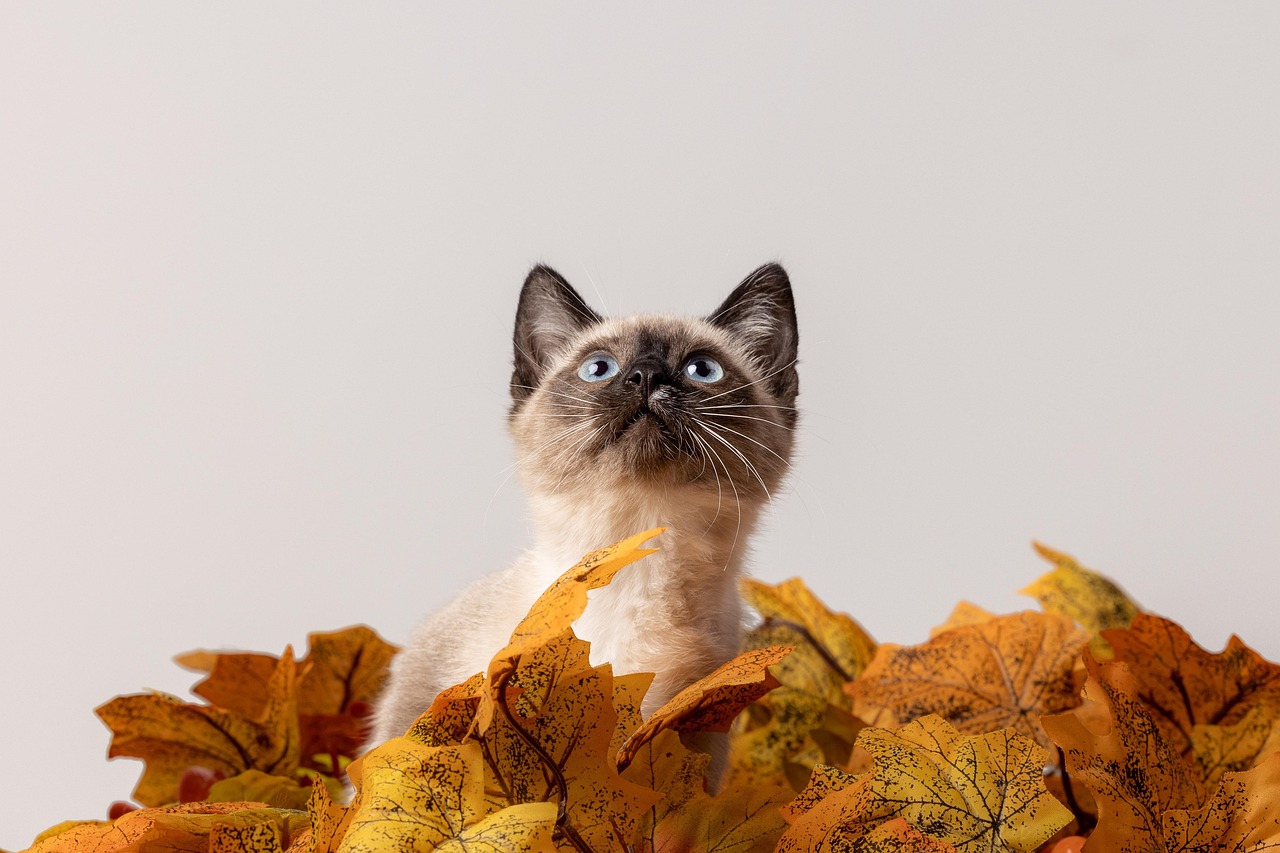

Nutrition and Health Tips for Rescue-Trained Cats
Training cats for rescue situations is a rigorous process that requires both mental and physical exercise. Proper nutrition plays a crucial role in preparing these cats for their missions. Ensure that your rescue-trained cat receives a balanced diet that includes high-quality proteins, taurine, and essential fatty acids. These nutrients support muscle development and overall health. Consider incorporating wet food into their diet, as it can help keep them hydrated and boost overall nutrition. It’s important to mix up their diet periodically to prevent them from becoming bored with their food and to encourage varied nutritional intake. Regularly assess your cat’s weight and adjust their diet accordingly. Overweight cats are less effective in rescue situations. In addition, provide fresh water at all times to keep them hydrated, especially before training sessions. If your cat displays any signs of dietary intolerance or allergies, consult a veterinarian promptly. This proactive approach will ensure your cat remains in peak condition for their training. Furthermore, always monitor their activity levels and nutrition, especially in stressful situations.
Maintaining a Healthy Weight
Maintaining a healthy weight is vital for rescue-trained cats. A weight management plan begins with assessing your cat’s body condition score, which can help track if they are underweight, healthy, or overweight. Ideal body weight allows cats to move swiftly in rescue tasks while preventing various health issues. To maintain weight, feed your cat appropriate portions according to their age, size, and activity level. Regular exercise is also essential; engaging them in play sessions using toys that stimulate both their mind and body can keep them fit. Activities like climbing on cat trees, chasing laser pointers, or interactive play can all contribute to a calorie-burning lifestyle. Monitor their food intake and avoid excessive treats, especially those high in calories. Instead, offer low-calorie treats or use portions of their meals as rewards during training. This way, you not only reinforce positive behavior but also keep their weight in check. If you suspect your cat is gaining weight, consult a vet for tailored advice on diet and exercise to ensure they stay at a healthy weight for rescue operations.
Regular veterinary check-ups are a necessary part of keeping rescue-trained cats healthy. Annual inspections often include vaccinations, dental checks, and overall health assessments. Make a schedule to take your cat to the vet for thorough examinations and vaccinations to ensure they remain healthy and safe. Often, health issues can be caught early during regular check-ups, which is crucial for active cats. Discuss any dietary or behavioral changes with your vet, as they may indicate underlying problems. Ensure that your rescue cat is spayed or neutered to prevent unplanned behaviors during training or missions. Furthermore, dental health is key; consider dental treats or water additives to assist with cleaning their teeth. Parasite prevention is also vital; keep your cat on a regular flea and tick preventative schedule. Regularly check your cat for signs of skin irritation or pests. Indoor rescue cats can benefit from occasional parasite preventive measures to avoid infections. A healthy cat is a happy cat, ready and capable of undertaking its rescue duties with enthusiasm.
Training and Socializing Your Cat
Training and socializing rescue-trained cats are equally important as nutrition. Teaching them commands such as ‘come’, ‘stay’, and ‘search’ can be essential in completing their tasks during rescues. Utilize positive reinforcement, offering treats and praise when they successfully follow commands. This will encourage them and strengthen their bond with you while instilling obedience. Additionally, socializing your cat with people and other pets will enhance their adaptability in various situations they may encounter during rescues. Gradually introduce your cat to new environments, so it becomes accustomed to different sounds, sights, and smells. Use a harness and leash to guide your cat during outdoor training sessions; this helps to keep them safe while allowing them the freedom to explore. Enroll in training classes tailored for cats, focusing on building essential skills while helping them engage with other cats. Practicing regularly keeps both you and your cat engaged and promotes learning. Always remain patient and consistent in your training approach, as every cat learns at its own pace, so encouragement is vital.
Incorporating interactive toys into your kitty’s routine can stimulate both their mental and physical abilities. These toys promote problem-solving and mimic hunting behaviors that cats enjoy. Puzzle feeders can offer another opportunity to make mealtime engaging, as they require your cat to work for their food. This practice encourages them to think critically while increasing their activity levels. It’s essential to monitor how your cat interacts with these toys, ensuring they are safe and durable enough for regular use. Avoid toys with small parts that can be swallowed; instead, choose those specifically designed for cats. Regularly rotate toys to maintain interest and provide new challenges; this will help to alleviate boredom and provide the mental stimulation that is crucial, especially for rescue-trained cats. A well-exercised cat is more likely to perform its functions effectively in rescue situations. Remember to spend quality time playing and engaging with your cat. This strengthens your relationship while fostering a sense of companionship, creating a happier and well-adjusted cat ready to take on any challenges.
The Role of Supplements
Supplements may benefit rescue-trained cats, especially if they have specific dietary needs or health concerns. Consult a veterinarian to identify any deficiencies or conditions that might require additional support. Omega-3 fatty acids, for example, are essential for maintaining healthy joints and coat quality, which can be crucial for physical activity. Probiotics can also aid in digestive health, especially under stress. During rigorous training or mission preparation, cats may experience anxiety that can affect their appetite and digestion. Therefore, a well-balanced approach with potential supplements can help maintain their health and efficiency. Additionally, consider integrating vitamins or minerals if your cat has heightened energy needs due to increased physical activity. Always prioritize high-quality products; avoid fillers or artificial ingredients that could have detrimental effects on their health. Remember, each cat is unique, so tailor supplementation to their specific needs and constantly monitor their reactions to new products. Regular follow-ups with your veterinarian can ensure that your rescue-trained cats receive the best care, enhancing their health and performance.
Creating a safe and comfortable home environment for a rescue-trained cat is essential for their overall well-being. A secure space allows them to relax and recharge between training sessions and missions. Make sure their living area is quiet and free from distractions, enabling them to focus when needed. Provide cozy bedding and hiding spots where they can retreat if feeling overstimulated. Arrange interactive spaces with cat trees, scratching posts, and toys to keep them entertained during downtime. Regularly check for potential hazards in your home; this includes securing window screens and hiding electrical cords as cats naturally explore their surroundings. Maintain a clean litter box, as a dirty litter box can cause stress and health issues. Remember to provide plenty of fresh water, ideally in various locations, to encourage hydration. Your cat’s emotional well-being directly affects its performance; creating a nurturing atmosphere keeps them calm and confident. Lastly, involve yourself in their daily routine; spend time grooming or snuggling with them, establishing trust and a deep bond that will blossom over time.
Maintaining a healthy weight is vital for rescue-trained cats. A weight management plan begins with assessing your cat’s body condition score, which can help track if they are underweight, healthy, or overweight. Ideal body weight allows cats to move swiftly in rescue tasks while preventing various health issues. To maintain weight, feed your cat appropriate portions according to their age, size, and activity level. Regular exercise is also essential; engaging them in play sessions using toys that stimulate both their mind and body can keep them fit. Activities like climbing on cat trees, chasing laser pointers, or interactive play can all contribute to a calorie-burning lifestyle. Monitor their food intake and avoid excessive treats, especially those high in calories. Instead, offer low-calorie treats or use portions of their meals as rewards during training. This way, you not only reinforce positive behavior but also keep their weight in check. If you suspect your cat is gaining weight, consult a vet for tailored advice on diet and exercise to ensure they stay at a healthy weight for rescue operations.