
The Importance of Regular Ear Checks for Early Detection of Mites
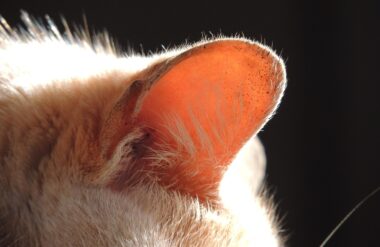
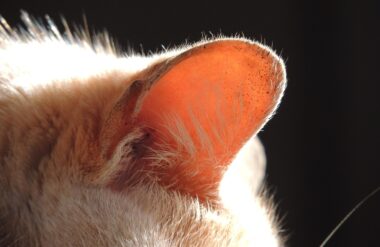
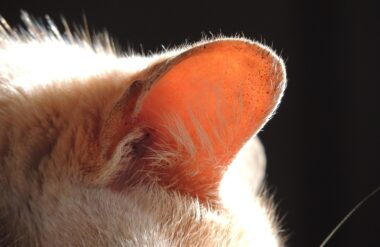
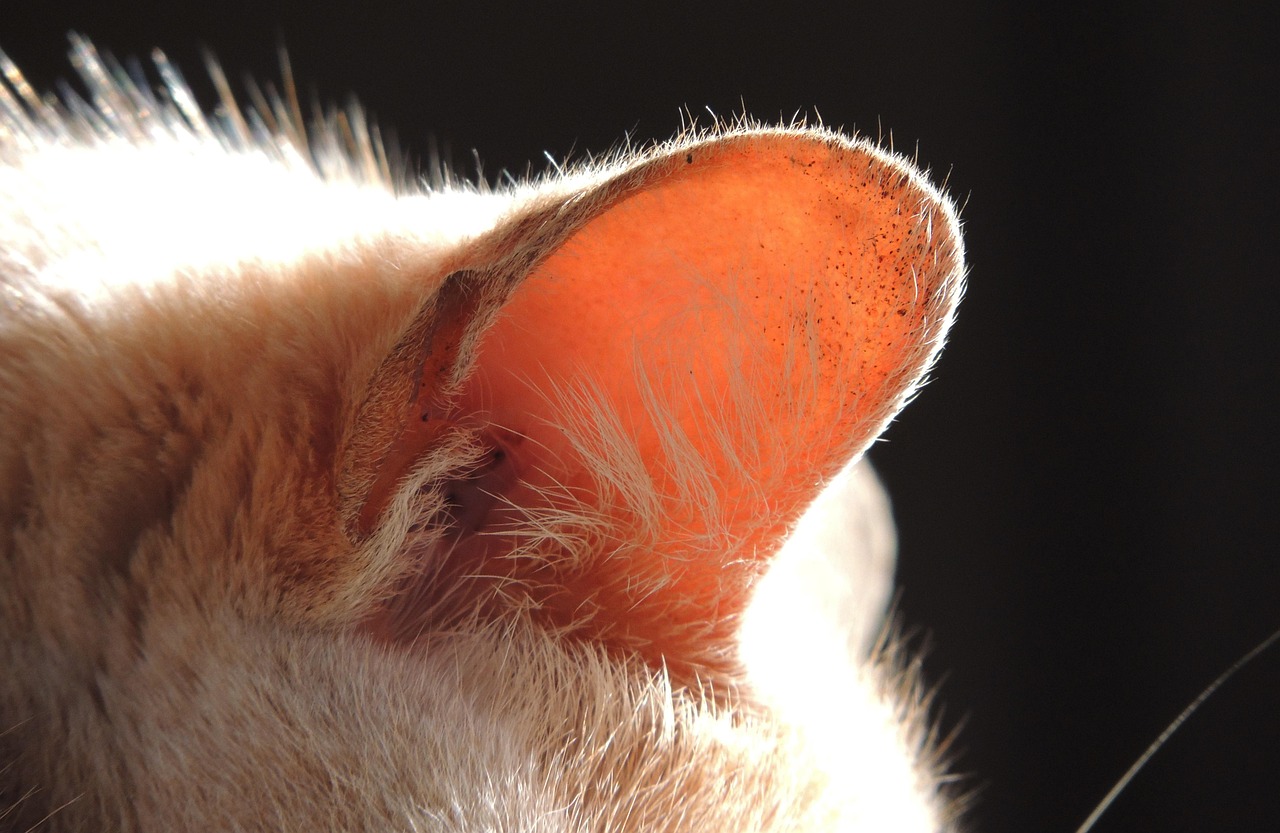
As a responsible cat parent, one must prioritize regular health checks that include the ears for signs of ear mites. Ear mites are tiny parasites that can cause significant discomfort to your beloved feline. By inspecting the ears regularly, you can catch any signs of infestation early. Symptoms may include excessive scratching of the ears, head shaking, or a dark, waxy discharge. The sooner you detect these indicators, the quicker you can take action to alleviate your cat’s suffering and prevent more serious health complications. Bring your cat to the vet if you suspect ear mites for a thorough examination and effective treatment. Treating ear mites promptly can minimize pain and enhance your cat’s quality of life. In addition to regular checks, ensure that you also keep your cat’s overall environment clean to reduce the risk of infestation. Regular cleaning, such as vacuuming or washing bedding, also minimizes other potential health concerns. Cats, being independent creatures, might sometimes avoid your attempts to check their ears, so it’s essential to create a comfortable situation to avoid any stress for your cat during these checks.
Understanding the life cycle of ear mites is crucial for effective treatment. Adult ear mites will lay eggs in the ear canal, leading to a continuous cycle of irritation unless interrupted. Regular ear examinations allow you to break this cycle before it becomes overwhelming. You should get to know your cat’s normal ear appearance, allowing you to spot any changes easily. Keep a record of your cat’s ear condition as part of your health notes, noting any scratches or discharge. This information can be helpful during veterinary visits, allowing your vet to make a more informed diagnosis. Prevention is equally important when it comes to ear mite management. Use preventative treatments as recommended by your veterinarian, especially if your cat regularly interacts with other animals. Understanding that some breeds have a higher predisposition to ear problems may also guide your check routine. Additionally, sometimes ear mites can manifest alongside other conditions, such as allergies or infections. Comprehensive care includes educating yourself about what can trigger ear issues in your cats, like waxy buildup or allergens.
Symptoms and Signs of Ear Mites
It’s crucial for cat parents to familiarize themselves with the various symptoms indicating ear mite presence. Common signs include persistent shaking of the head, scratching at the ears, and unusual behavior indicating discomfort. If you observe your cat frequently tilting its head, or if you notice an odor emanating from the ears, these could also be critical signs that you should investigate further. You might find dark, crumbly discharge in your cat’s ears, often mistaken for dirt. Inspect carefully as this could be a buildup of ear mites. To aid your evaluation, a flashlight can be quite handy. Examine both ears to compare, as differences may highlight an active infestation. If neglected, ear mite infestations can lead to serious issues, such as infections that might escalate towards more complex health problems. Once you detect any warning signs, consult your veterinarian immediately for consultation and potential treatment options. Prompt actions improve not just the physical health of your pet, but emotional stability and comfort as well. Early intervention is key to thwart the progression of ear-related diseases in felines.
Apart from recognizing the signs, regular ear cleaning is essential in your cat’s grooming routine. Using a veterinarian-approved cleaning solution can help keep the ears free from debris and wax buildup. Start by introducing your cat to the cleaning process gradually to foster trust. Place your cat on your lap in a safe spot and gently restrain them if necessary. Apply a few drops and massage the base of the ear to promote even distribution. Allow your cat to shake its head afterward to disperse the solution properly. After some minutes, use a cotton ball to wipe away excess debris without pushing further into the ear canal. Regular ear cleaning can prevent the establishment of ear mites and other conditions that could lead to ear infections. This can also fortify the bond between you and your cat, cultivating a positive grooming experience. Remember to be patient and gentle throughout this process to minimize stress. Monitor your cat’s reactions and always reward them with treats or affection following each cleaning, solidifying a positive association with ear care in their minds.
Treatment Options Available
If ear mites are detected, immediate treatment is essential to alleviate your cat’s discomfort. A vet usually prescribes a topical treatment that could come in the form of solutions, drops, or ointments readily applied in the ears. Make sure to follow the vet’s guidelines accurately for effective outcomes. Additionally, your veterinarian may recommend oral medications to reduce itching and inflammation during treatment. Utilize a warm compress to help ease discomfort before administering any medication. Complete the full course of treatment even if symptoms seem to improve quickly; this helps ensure all mites are eradicated. Never use homemade remedies without consulting your veterinarian as these can exacerbate issues or cause harm. After attending to the medication regimen, a follow-up visit may be necessary to ensure complete recovery and rule out complications. Investing time and resources into a proper treatment plan reinforces the health and well-being of your feline companion. A proactive approach, including consistent ear checks and management, is instrumental in curtailing ear mite occurrences.
Preventing future ear mite infestations involves more than just treatments; it requires a commitment to hygiene and environmental management. Ensure that you frequently sanitize your home and keep your pet’s sleeping areas clean. Regularly washing and replacing bedding can significantly limit exposure to ear mites carried by other animals. If you have multiple pets, check them for signs of ear mites as well. Since ear mites can spread easily, addressing all infected animals promptly is vital to prevent re-infestation. Speak with your veterinarian about regular preventative treatments or schedule routine checkups to catch any issues early. It’s surprisingly easy for responsible cat parents to let preventive measures slide in busy schedules, but making them a priority helps your pet thrive. Consider your cat’s overall health when planning treatments and prevention strategies. A well-balanced diet, adequate exercise, and stimulation can also boost your cat’s immune system, supporting its ability to fight off infestations. Create a multi-prong strategy for maintaining overall health, focusing on prevention and nurturing a cozy and clean home environment.
Conclusion: The Importance of Consistency
Consistent ear checks and prioritizing your cat’s ear health are crucial steps that every cat parent should take seriously. Regular inspections should be part of your pet care routine, allowing you to notice changes early. As comfortable companions, cats often hide their discomfort, making observant and attentive management imperative. A responsible cat parent takes proactive measures to maintain health, encompassing preventive strategies, regular check-ups, and immediate actions if issues arise. Prolonged discomfort from untreated ear mites can lead to chronic health problems that affect overall wellbeing, thus emphasizing how vital consistency is in ear care. In conclusion, be diligent in inspecting your cat’s ears. Deliver care with love and patience, and always consult your veterinarian for specific needs your cat may require. Together, you can create a healthy lifestyle for your feline friend that minimizes risks while maximizing happiness. Ultimately, your feline’s joy depends not just on attention but regular and thorough health management, so commit to making this an essential part of your routine.