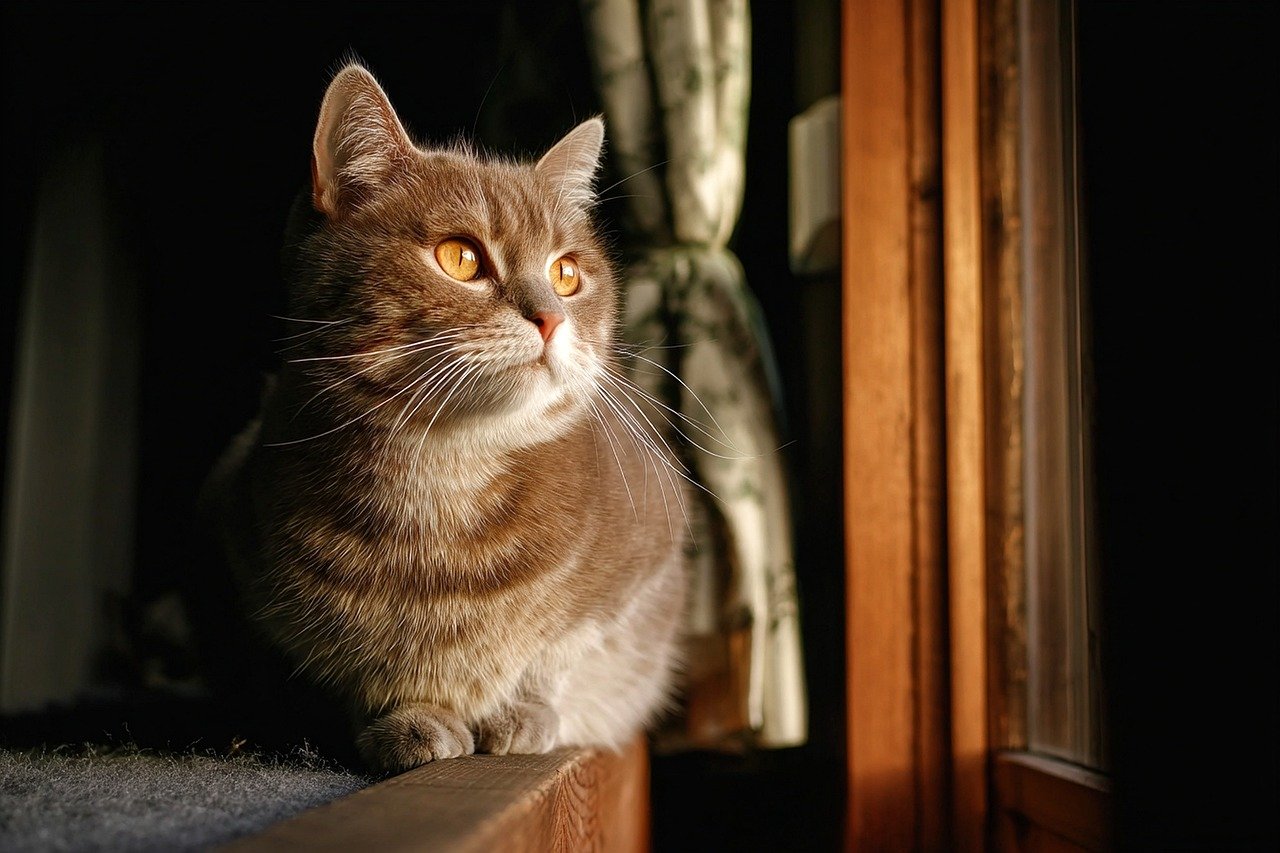

Understanding the Role of Natural Light in Cat Activity Patterns
Natural light plays a significant role in influencing cat activity patterns. The presence of daylight stimulates a cat’s biological clock, affecting their sleep-wake cycles and activity levels. Cats are crepuscular creatures, meaning they exhibit peak activity during dawn and dusk. With the right exposure to natural light, they become more active and engaged during these times. Aside from physical activity, natural light also contributes to their mental health. Proper sunlight exposure can help regulate mood patterns and prevent lethargy. It’s important to ensure that indoor cats receive adequate sunlight, as it can help mimic their natural behaviors. Even simple adjustments, like repositioning a cat tree near a window, can enhance their well-being. Additionally, cats often seek spots where they can bask in sunlight, as it provides warmth and comfort. Encouraging this behavior can improve their overall quality of life. Additionally, behavioral changes may result from limited exposure to natural light, leading to anxiety and stress. Ensuring a well-lit environment allows them to thrive and exhibit their natural instincts.
Understanding how environmental factors, such as daylight, impact feline behavior is essential in creating healthy living conditions. A cat’s activity levels are often closely tied to its surrounding environment, including lighting. Changes in the environment, such as the amount of natural light they receive, can lead to noticeable shifts in their behavior. For example, cats might become restless if they don’t have the opportunity to bask in sunlight. In contrast, a bright and sunny space can lead to increased playfulness and exploration. Furthermore, natural light helps to regulate a cat’s internal clock or circadian rhythm. When exposed to light during their active hours, they are more likely to be alert and engaged. On the contrary, inadequate light can cause disorientation and lethargy. Therefore, it is crucial to provide habitats that simulate natural light patterns, allowing cats to experience these behaviors authentically. This step helps maintain their physical health and tackles less desirable behavioral issues like aggression or boredom, promoting a happier and healthier pet overall. Enclosed outdoor spaces or catios can also be beneficial to achieve an improved quality of life.
Effects of Artificial Light on Feline Behavior
While natural light has significant effects on feline behavior, artificial light can create conditions that hinder these natural instincts. Prolonged exposure to fluorescent or harsh artificial light can stress cats because it disrupts their daily rhythms. Unlike natural light, artificial light can fail to provide the gradual transitions that help regulate activity levels. Many homes are outfitted with artificial lighting that may not mimic natural sunlight’s warm spectrum. Cats may behave differently in these settings, often leading to increased aggression and anxiety. In stark contrast, warm-toned lights imitate early evening sun, which can encourage relaxation and calmness. Additionally, the frequency and duration of artificial light exposure can affect a cat’s ability to settle into a routine. Therefore, being mindful of lighting choices within home environments can foster an atmosphere that promotes positive behaviors. Opting for lamps with adjustable brightness levels can help replicate the gradual changes in natural light, synchronizing with a cat’s innate behaviors. Understanding the balance between these light types allows pet owners to create an environment conducive to healthy sleep and play patterns for their cats.
Creating a balanced environment that encourages natural behaviors in cats involves utilizing both natural and artificial lighting effectively. Transitioning between light types may help simulate natural daylight, reducing stress while also keeping cats active. Additionally, analyzing the setup of one’s living space is essential. For instance, placing scratching posts or interactive toys near windows facilitates engagement with the outside world. This connection can stimulate natural hunting instincts and promote fitness. Furthermore, adding plants that are safe for cats might create an enriched environment that encourages exploration without the high stress associated with artificial lighting. Thus, including a variety of natural experiences is crucial for mental stimulation. Lighting can provide structure, promoting appropriate playtimes that align with natural instincts. Owners should also take note of their cats’ preferences for light and adjust accordingly, which allows cats to seek out what feels most comfortable for them. Ultimately, fostering a space where cats can thrive promotes their mental and physical health. Such considerations can enhance their quality of life, fostering a deeper bond between pets and their human friends while inspiring joyful living experiences for all.
The Importance of Outdoor Time for Cats
For indoor cats, outdoor time can significantly enhance their overall health and well-being. Exposure to natural sunlight encourages numerous activities and behaviors that indoor living can restrict. Outdoor outings can help cats experience environments rich in stimulating features like sounds, smells, and textures. Such experiences often promote playful behaviors that mimic the hunt, enriching their routine. Whether through a leash and harness or a secured outdoor enclosure, ensuring outdoor access allows cats to explore while basking in the sunlight. Exposure to varying environments also supports their adventurous spirit and improves their natural instincts. The interaction with elements, including wind and fresh air, positively impacts their mood and energy levels. Cats that experience the outdoors regularly tend to demonstrate better social interactions in multi-pet situations due to improved confidence. Furthermore, outdoor exposure can lead them to exhibit more affectionate behavior towards their owners, as they feel alleviated stress and improved mental clarity. Ultimately, the key is balancing safety while providing the benefits of natural light and stimulation through outdoor experiences for enhanced well-being. Embracing this opportunity allows more fulfilling lives for both owners and their cherished feline companions.
Understanding the impact of seasons on feline activity is also essential for responsible cat ownership. Natural light varies significantly throughout the seasons, leading directly to changes in cat behavior. For instance, many cats tend to exhibit higher energy levels during spring and summer due to longer daylight hours. Conversely, shorter winter days may encourage more sedentary behavior, contributing to weight gain and inactivity. Recognizing these seasonal shifts allows owners to adjust activities and routines accordingly. Incorporating multi-faceted play times can help combat lethargy during darker months. This period may encourage creativity in crafting engaging indoor activities that foster exercise and cognitive sharpness. Additionally, utilizing window perches and play setups allows them to observe and engage with outdoor wildlife, sustaining their interest throughout the year. Balancing their sun exposure with engaging toys and interaction provides much-needed stimulation for both mind and body. Importantly, being aware of these patterns can lead to healthier lifestyles and behavioral improvements. Such consideration benefits cats emotionally and fosters a stronger connection between pets and their human companions, ensuring well-rounded and fulfilling lives together.
Concluding Thoughts on Light and Cat Behavior
In conclusion, understanding the role of natural light in cat activity is vital to promoting healthy behaviors. By providing the right balance of natural and artificial light, pet owners can greatly enhance the well-being of their cats. Ensuring that cats receive adequate sunlight not only helps regulate their biological clocks but also facilitates social behaviors and emotional balance. Regular exposure to sunlit environments allows cats to express their natural instincts, significantly moderating stress and anxiety. Furthermore, recognizing individual preferences for light can empower owners to create ideal spaces tailored to their feline friends. Adjustment of indoor lighting to mimic natural cycles helps synchronize their sleep and play patterns. The adoption of outdoor experiences is also beneficial as it expands their exploration and boosts their overall morale, enriching their daily routines. Ultimately, promoting an environment filled with stimulating light enhances cat owners’ lives and breeds happier pets. By recognizing these essential dynamics between light and cat behavior, guardians can create a harmonious living space. Together, these details contribute towards a well-balanced, fulfilling existence for both humans and their cherished feline companions.