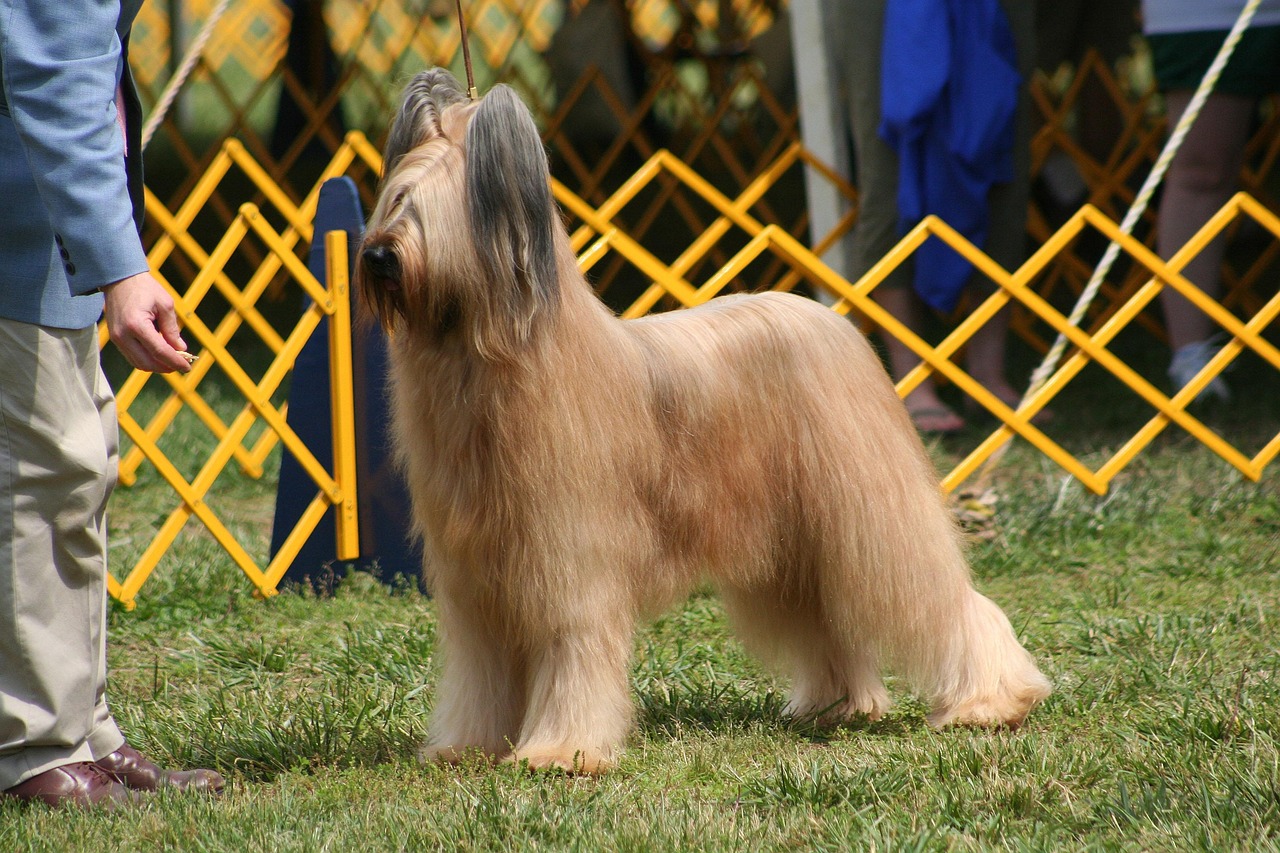

Understanding the Role of Stewards in Dog Shows
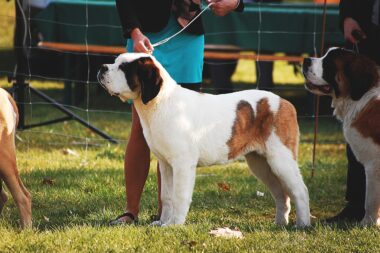
In dog shows, the role of stewards is pivotal in ensuring that events run smoothly. Stewards assist judges by facilitating the organization and operation of the show ring. Their responsibilities include managing the flow of dogs and handlers, ensuring all participants are ready to compete. Stewards must exhibit excellent communication skills as they relay information between judges and exhibitors. This role demands a comprehensive understanding of the show’s format, rules, and intricacies. They often provide clerical support, logging the results and keeping track of entrants. Moreover, stewards play a critical role in maintaining a respectful atmosphere. They must ensure that exhibitors and their dogs are treated fairly and respectfully throughout the competition. Stewards often serve as the first point of contact if issues arise. In essence, they help to create a positive experience for all involved. With a strong presence in the ring, they ensure that the event showcases the best dogs while adhering to established standards and practices. This non-judgmental support from stewards is essential in creating a harmonious and competitive environment.
Understanding the responsibilities of stewards extends to the welfare of the dogs. Stewards effectively monitor and address any health concerns during competitions. They are trained to recognize signs of distress in dogs and act quickly, ensuring their well-being. This includes providing water breaks and assisting handlers in giving their dogs necessary encouragement. Furthermore, compliance with the kennel club regulations is paramount; stewards must possess an in-depth knowledge of these rules. This understanding is critical for ensuring that all entries meet the necessary conditions for competition. Stewards facilitate this compliance by conducting periodic checks before the event. Additionally, they liaise with the veterinary staff present at dog shows, ensuring any health checks are processed swiftly. They also manage any disputes, addressing any disagreements professionally and impartially. Such mediation can help maintain a level of decorum at the show. Stewards must also be familiar with different dog breeds, acknowledging their characteristics and requirements. This knowledge assists in handling the dogs more effectively and providing proper guidance to exhibitors. Thus, stewards’ roles blend regulatory adherence with a compassionate approach to dog welfare.
Key Skills for Stewards
Successful stewards possess several key skills that contribute to the smooth operation of dog shows. Firstly, strong organizational skills are critical. Stewards must manage plenty of details, from scheduling to coordinating with exhibitors. These skills ensure that the event adheres to its timeline and that all participants are prepared when it’s their turn to compete. Secondly, communication skills must be top-notch. Stewards frequently relay instructions or information between judges and handlers, requiring clarity and precision. Additionally, a steward should have a solid understanding of dog behavior. Recognizing tension, excitement, or any sign of stress helps in managing dogs effectively in the competitive environment. Flexibility is yet another essential skill, as shows can become unpredictable, keeping the stewards on their toes. Moreover, calmness under pressure is crucial. Dog shows can be intense; thus, maintaining composure ensures the atmosphere remains professional. Stewards also need to demonstrate a high level of integrity. Trustworthiness is vital in serving a diverse community of dog enthusiasts. When competing, knowing the stewards are fair and impartial is essential for everyone.
The qualification of stewards is often an overlooked aspect of dog shows. Many organizations provide official training programs specifically tailored for stewards. These programs encompass various subjects including breed standards, showing procedures, and conflict resolution. Upon completion, stewards may receive certifications that enhance their credibility within the community. Being recognized by an authority fosters trust among participants. Furthermore, volunteering at dog shows can provide valuable hands-on experience. Engaging in this way allows aspiring stewards to work alongside seasoned professionals. This dual approach of formal education and practical experience equips stewards with the skills needed to navigate complex situations during the event. Participating in various regional and national shows also broadens their understanding of diverse breeds and judging styles. Networking opportunities arise as well, fostering connections among fellow dog enthusiasts. Understanding regional differences in dog shows can significantly improve a steward’s adaptability. This versatility is particularly beneficial when attending shows in different areas, where local practices may vary. Thus, the combination of education and experience becomes crucial for an aspiring steward to thrive in this competitive arena.
The Importance of Ethical Conduct
Ethical conduct is paramount in the role of stewards at dog shows. They are tasked with ensuring fairness, transparency, and respect throughout the event. This ethical foundation not only upholds the integrity of the show but also fosters the sport of dog showing itself. Stewards must advocate for ethical treatment of all participating dogs, ensuring that they are not subjected to undue stress or harm. Moreover, maintaining impartiality is essential; stewards must refrain from any favoritism that could undermine the judging process. This commitment to ethics establishes a level playing field for all exhibitors, allowing their hard work and dedication to shine during the show. It’s also important for stewards to encourage positive interactions amongst participants, promoting camaraderie rather than competition. This supportive environment can enhance the overall experience for both exhibitors and their dogs. Ethical conduct promotes trust in the dog showing process; participants are more likely to engage if they feel everyone operates under the same moral compass. Therefore, stewards play a crucial role in establishing and preserving an ethical framework at such events.
In preparation for dog shows, stewards should participate in briefings. These sessions provide essential updates about any changes in rules and how the show will be executed. Being well-informed helps stewards fulfill their responsibilities effectively. During such briefings, they may also engage with judges to discuss their preferences, allowing stewards to tailor their assistance accordingly. Another key responsibility of stewards is to manage the ring entrance. Coordinating the dogs entering the ring is vital to maintaining an orderly flow. A chaotic entrance could cause unnecessary stress for both dogs and handlers. Hence, stewards play a role in creating a calming atmosphere. Alongside managing entries, they can offer their insights on breed behaviors and handling techniques to new exhibitors. This guidance can be invaluable for those unfamiliar with the competition process. Furthermore, establishing rapport with exhibitors can lead to more efficient communication. The sense of community fostered by stewards aids in nurturing a positive and supportive environment at shows, ultimately enhancing the overall experience. Therefore, the various functions of stewards are integral to ensuring that each dog show runs smoothly.
Conclusion: Celebrating the Role of Stewards
It is clear that stewards are indispensable in the dog show arena. Their involvement extends far beyond basic organizational duties; they embody the spirit and integrity of the competition. By organizing, facilitating, and advocating for ethical practices, stewards contribute significantly to the overall success of dog shows. As they enhance the competitive experience, their presence brings stability and professionalism. The profession requires a blend of skills, knowledge, and ethical commitment. Stewards ensure that both dogs and handlers are treated with respect and fairness while keeping the show running efficiently. Diverse responsibilities illustrate their adaptability and ability to handle high-pressure situations gracefully. They serve as a bridge between exhibitors and judges, fostering communication and understanding. As the dog show community continues to grow, recognizing the vital role of stewards is essential. Their importance should not be overlooked, as they are a fundamental part of making dog shows successful. Together, they create a vibrant environment where the beauty, skill, and dedication of all participants can shine. Celebrating their contributions garners respect for both the profession and the dogs showcased.
In dog shows, the role of stewards is pivotal in ensuring that events run smoothly. Stewards assist judges by facilitating the organization and operation of the show ring. Their responsibilities include managing the flow of dogs and handlers, ensuring all participants are ready to compete. Stewards must exhibit excellent communication skills as they relay information between judges and exhibitors. This role demands a comprehensive understanding of the show’s format, rules, and intricacies. They often provide clerical support, logging the results and keeping track of entrants. Moreover, stewards play a critical role in maintaining a respectful atmosphere. They must ensure that exhibitors and their dogs are treated fairly and respectfully throughout the competition. Stewards often serve as the first point of contact if issues arise. In essence, they help to create a positive experience for all involved. With a strong presence in the ring, they ensure that the event showcases the best dogs while adhering to established standards and practices. This non-judgmental support from stewards is essential in creating a harmonious and competitive environment.