
Choosing the Best Toothbrush and Toothpaste for Your Dog
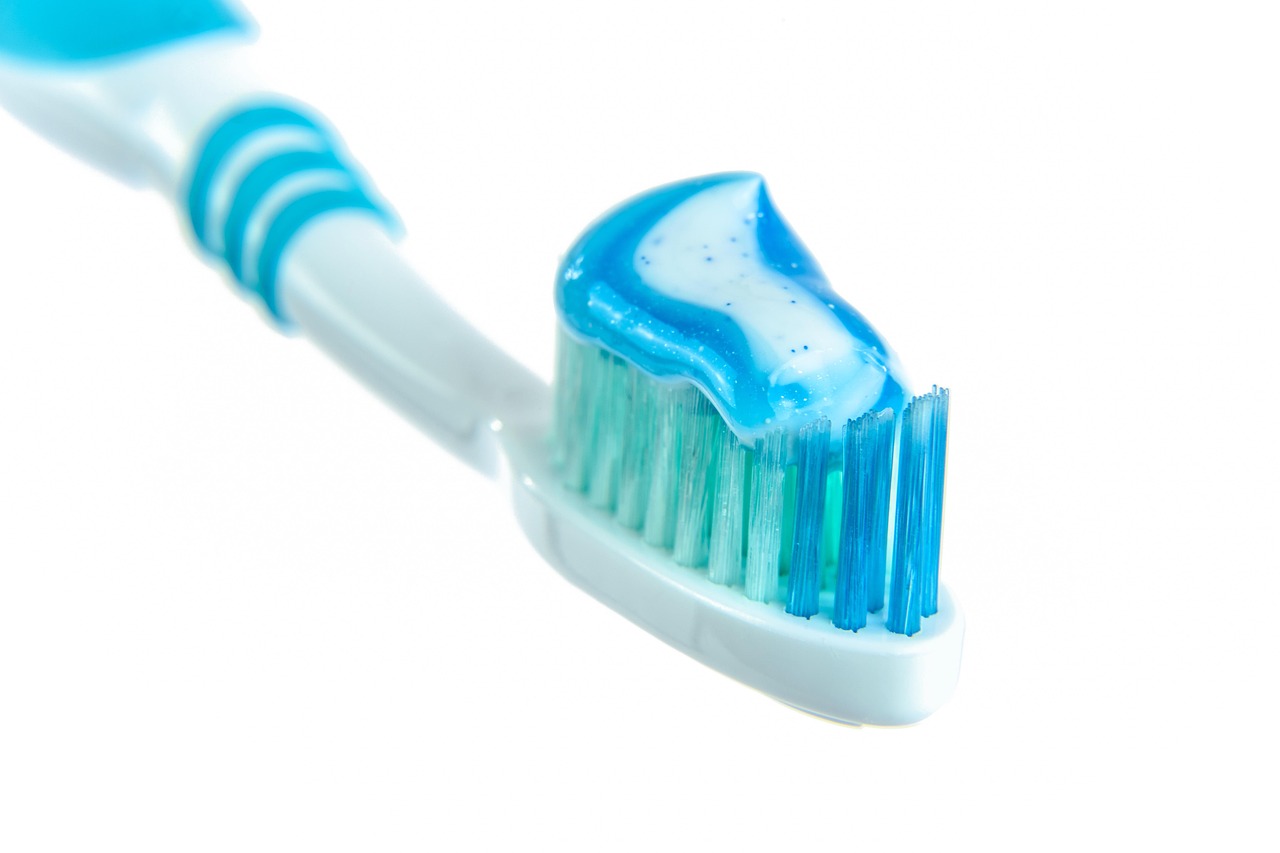
Taking care of your dog’s dental health is crucial, especially to combat bad breath. A common issue among pets, especially dogs, bad breath often signals underlying health problems. One primary solution involves selecting the best toothbrush and toothpaste for your dog. Dogs have different dental needs compared to humans, and they deserve products that cater specifically to their oral health. Typically, dog toothbrushes have softer bristles and angled heads to effectively clean their teeth without hurting their gums. When it comes to toothpaste, one must ensure to avoid human varieties as they may harm dogs. Pet toothpaste comes in flavors dogs enjoy, like chicken or peanut butter, to keep your buddy engaged during brushing sessions. Regular brushing, ideally every day, can significantly reduce bad breath and prevent dental diseases. Establishing a routine makes dental care less stressful for both you and your dog, helping maintain overall oral hygiene. If you’re unsure where to start, consult with your veterinarian for recommendations tailored to your dog’s specific needs. Let’s delve deeper into the factors influencing tooth care for dogs.
Factors Influencing Dental Health
Various factors contribute to your dog’s dental health and can affect the effectiveness of your dental care routine. Diet plays a significant role, as sugary and soft food can contribute to plaque buildup. Providing dry kibble can help scrape away food particles and prevent tartar formation. Additionally, just like humans, genetics can dictate the health of your dog’s teeth and gums. Certain breeds may be predisposed to dental issues, requiring more diligent care. Furthermore, age factors equally influence dental health. As dogs grow older, they might face a higher risk for periodontal disease. Regular vet visits, at least once a year, help monitor oral health and provide professional cleanings when necessary. Additionally, incorporating dental chews and toys into your dog’s routine can contribute significantly to oral health. These products can reduce plaque buildup and satisfy your dog’s natural chewing instincts. Always choose age-appropriate dental items and consult your vet for recommendations tailored to your dog’s needs for effective care.
Knowing the basic skills on how to brush your dog’s teeth is vital for effective dental care. First, choose a quiet and comfortable space where your dog is relaxed. It’s best to gradually introduce the toothbrush and toothpaste; let your pet sniff and taste them first to create a positive association. When ready, follow these steps: Hold the toothbrush at a 45-degree angle to the gum line, and gently brush in circular motions. Focus on the outer surfaces of the teeth, as these areas are more prone to plaque buildup. Aim to spend about two minutes brushing with patience and reassurance. Use finger brushes or gauze for smaller dogs or those uncomfortable with traditional brushes; this can ensure safety and ease. Remember, choose a dog-safe toothpaste since human options often contain xylitol, which is toxic to pets. Always reward your dog after a good brushing session to encourage them. With proper techniques and they’ll soon view teeth brushing as a fun activity rather than a chore. Consistent dental care promotes a healthier smile and fresher breath.
Finding the Right Products
When it comes to selecting the best toothbrush and toothpaste, quality should not be overlooked. Look for toothbrushes that are designed specifically for dogs, as they are more effective and safe. Many brands offer various sizes to accommodate both small and large breeds. Chewable toothbrushes are also available, which allow your dog to clean their teeth while playing. Make sure the bristles are soft enough not to irritate their gums. Furthermore, when choosing toothpaste, focus on natural ingredients. Avoid products with artificial flavors, preservatives, or colors; select those that contain enzymes to help break down plaque. Seek products with pet dental health certifications to ensure safety. Reading reviews and recommendations can also aid in making informed decisions, as experiences from other pet owners provide valuable insights. Pet stores and online retailers typically offer diverse options, helping you discover the right products for your furry companion. Take your time. Selecting the right products can lead to better oral hygiene and a happier, healthier dog for years to come.
Periodontal disease is a prevalent issue, with bad breath often being the first symptom that pet owners notice. Dental problems can cause significant pain and discomfort, leading to further health issues. Regular dental check-ups help catch these problems early; a professional cleaning can typically address the buildup of tartar and plaque. Be proactive about monitoring your dog’s dental health; if you notice persistent bad breath despite regular brushing, seek veterinary advice promptly. Potential underlying conditions could include gingivitis, tooth decay, or even systemic diseases affecting the organs. Maintaining a routine encourages your dog to accept dental care as part of their normal grooming habits. You might find selecting a specific day, such as “Dental Care Sunday,” brings excitement to your canine, creating a bonding experience. Good oral health impacts your dog’s overall wellbeing, reducing stress in both your lives. With consistent care, you can significantly diminish the chances of dental illness developing later. Ultimately, investing time and attention in your dog’s dental hygiene leads to enduring health and companionship.
Understanding Bad Breath
Understanding the causes of bad breath can help you take appropriate steps to address the issue. Bad breath in dogs can arise from various factors, including dental hygiene, diet, or other health problems. Commonly, the root cause stems from plaque accumulating on teeth, leading to dental diseases. Another potential cause might be dietary choices; certain foods can cause foul odors, particularly those high in protein or fat. This can be exacerbated by a lack of water intake, resulting in dry mouth, which contributes to odor. Additionally, medical conditions affecting internal organs can manifest as unusual smells, serving as a warning signal. If you suspect a more serious issue could be the cause of your dog’s breath, consulting with your veterinarian is imperative. They can guide you on effective preventive measures and treatments aimed at improving dental hygiene. As a pet owner, you not only want to ensure your dog’s mouth is clean, but you’re also concerned with their overall health. By recognizing the signs and being proactive, you can help your dog live a longer, healthier life.
In conclusion, prioritizing your dog’s dental care is essential for their overall health and wellbeing. Choosing the right toothbrush and toothpaste can significantly improve their dental hygiene and reduce bad breath. Remember to consider your dog’s size and breed when selecting products specifically designed for their oral health needs. Establishing a routine helps reinforce dental care as a vital aspect of grooming. Pairing regular brushing with dental chews, toys, and veterinary visits ensures your dog maintains healthy teeth and gums. Don’t underestimate the impact of proper dental care on your dog’s quality of life; fresh breath and a healthy mouth can make for happier, more playful pets. Equip yourself with knowledge about your dog’s needs, and seek professional guidance whenever necessary. The bond you build through attentive care will manifest in long-lasting love and companionship. As you invest time and energy in maintaining your dog’s dental health, remember that the rewards will extend far beyond fresh breath. Engage wholeheartedly and enjoy every moment with your furry friend.
By consistently practicing good dental hygiene, you ensure your dog’s mouth stays healthy, and they will be as happy as can be. Always maintain a positive approach when introducing dental care practices. Though the initial phases may require patience and care, the long-term benefits are undoubtedly worth it. Therefore, choose to start your journey today and continue to make dental hygiene a fun experience for your dog. Don’t forget to celebrate their progress; treat them with praise and affection as they learn to accept the routine. Be vigilant about their overall health and observe for any signs of discomfort or change. Regularly assess their dental products and replace them as needed to ensure effectiveness. Fear or reluctance should not be a barrier to maintaining healthy teeth; establish your dog’s dental routine through love, patience, and consistency. Taking the time to address your dog’s dental needs strengthens your bond, builds trust, and fosters good practices. Choose the right tools, create a routine, and your dog will surely benefit in more ways than one.