
Cleaning Your Cat’s Eyes and Preventing Infections
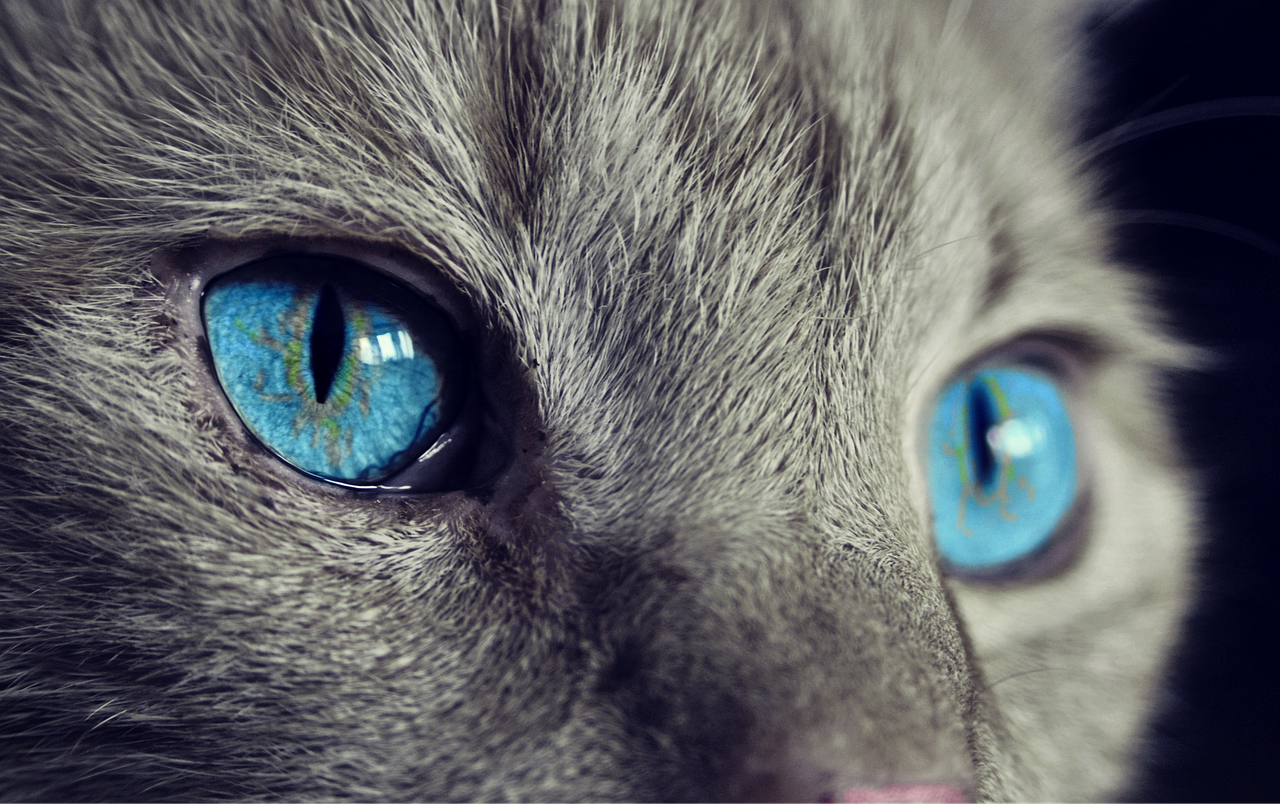
Keeping your cat’s eyes clean is essential for their overall health. Cat eyes can gather dirt, dust, and other irritants over time. Regular cleaning can help prevent infections, as bacteria and debris can lead to serious health issues. To start, you will need some materials. Get a soft, damp cloth; a bowl of warm water; and some cotton balls. Ensure that your cat is calm before you begin the cleaning process. Creating a serene environment will help both you and your cat throughout this task. Gently hold your cat while softly speaking reassuring words. Begin by dampening the cloth with warm water. Wipe away any discharge or buildup gently, using a separate cotton ball for each eye. Make sure to clean the inner corner moving out towards the edge to avoid spreading bacteria. After cleaning, check your cat’s eyes for redness or swelling. If you notice anything unusual, it is crucial to consult your veterinarian. Regular cleaning not only ensures your cat looks great but also maintains their overall health and well-being. So incorporate this routine into your cat grooming schedule for best practice!
Understanding the potential causes of eye discharge in cats can help you better care for your feline. Discharge can arise from various reasons, including allergies, foreign bodies, or infections. Allergies, for instance, can be environmental, such as pollen or dust. If your cat is prone to seasonal allergies, you might notice increased discharge during certain times of the year. You can minimize allergens in your home by vacuuming regularly and washing your cat’s bedding. Foreign bodies, such as grass seeds or small insects, can also cause irritation. If you suspect this, consult a veterinarian to remove any objects safely. Infections can also lead to eye problems, indicating that an underlying issue exists. Bacterial conjunctivitis, for example, may require antibiotic treatment. Always monitor your cat’s behavior; if they are squinting, excessively rubbing their eyes, or showing discomfort, it’s a red flag. Prompt veterinary attention is crucial in such cases as early diagnosis can prevent further complications. Regular check-ups with your veterinarian also play a significant role in your cat’s eye health. Keeping track of eye health helps in preventing severe vision problems later in life.
When to Seek Veterinary Help
While regular cleaning is essential, knowing when to seek professional help is equally important. If you notice persistent discharge or your cat’s eyes appear red and swollen, this indicates a potential medical issue. A visit to the veterinarian is essential if your cat experiences these symptoms for more than a few days. Another red flag includes excessive tearing or if your cat exhibits unusual behaviors, such as pawing at their face or avoiding light. These symptoms may indicate pain or discomfort associated with eye problems. Any change in eye appearance, such as cloudiness or significant swelling, should not be ignored. Your vet can perform a thorough eye examination to determine the underlying cause. In addition, injuries to the eye require immediate attention as they can cause severe complications if not treated promptly. Using an appropriate eye drop prescribed by your vet can help with dry eyes or irritation. Be attentive and proactive in your cat’s eye health—don’t wait for a small issue to become a major problem, ensuring a healthy and happy life for your beloved pet.
Prevention plays a key role in maintaining your cat’s eye health, so consider lifestyle adjustments that can contribute to this aspect. Keeping your cat indoors can significantly reduce exposure to allergens and potential irritants. Although outdoor exploration can be enriching, it can also expose your cat to various environmental hazards that could affect their eyes. Ensure that your home is a safe haven by removing potential allergens such as strong fragrances or smoke. Feeding your cat a balanced diet rich in vitamins A and C can strengthen their immune system, bolstering their ability to fight infections that might affect their eyes. Additionally, make sure your cat remains hydrated, as proper hydration contributes to overall eye health. Consider using a humidifier during dry months to maintain moisture in the air, as low humidity levels can contribute to eye irritation. Regular grooming, including brushing, helps reduce shedding and dander in your living space. Take proactive steps to eliminate potential risks and set a nurturing environment that advocates for your cat’s well-being. Keep your home free from clutter, and consider using air purifiers for improving air quality.
Tips for a Smooth Eye Cleaning Routine
Creating a routine for cleaning your cat’s eyes can make the process smoother and more efficient. Start by selecting a comfortable spot where your cat feels safe. Place a soft blanket or towel in this space to make the experience more enjoyable. You can also use treats to create positive reinforcement. Familiarize your cat with the cleaning materials beforehand by allowing them to sniff the cotton balls and cloth. Practice a gentle approach every time, and handle your cat smoothly to avoid unnecessary stress. You can include eye cleaning in your regular grooming schedule, perhaps after a brushing session. This way, your cat associates this important task with a pleasurable experience. Following the cleaning, remember to offer a few treats or their favorite toy for an instant positive association. Keeping grooming sessions calm and brief helps maintain your cat’s trust throughout the process. Make sure you are consistent with eye cleaning to promote habit formation. Document your cat’s eye health journey, noting any improvements or irritations that arise, bringing this information to your vet during check-ups.
In addition to cleaning your cat’s eyes, providing eye supplements can be beneficial. Specific supplements containing essential fatty acids or omega-3s may help maintain eye health. Ensure that these supplements are safe and approved by your veterinarian, as not all products are suitable for every cat. Increasing physical activity also contributes positively to your cat’s overall health, including eye circulation. Engage your feline in interactive playtime using toys that stimulate their hunting instincts. Regularly scheduled veterinary check-ups are essential for maintaining your cat’s overall well-being. Mention any eye concerns during these visits, as preventive care and professional evaluations can catch problems early. Your vet can recommend appropriate dietary adjustments, supplements, or eye care solutions tailored to your cat’s health needs. Considerations for your indoor environment also promote visual health—using natural light can stimulate your cat’s vision while being in a safe area. Protect your feline from harsh sunlight, as prolonged exposure can lead to adverse effects. By making these adjustments, you contribute positively to your cat’s health while preventing potential infections. Prioritize these aspects to ensure you are doing everything possible for your pet’s well-being.
Conclusion and Continued Vigilance
In summary, the health of your cat’s eyes is paramount and deserves your attention and care. Regular cleaning can prevent infections and ensure your cat maintains clear vision. Being aware of the common symptoms of eye problems allows you to act promptly, ensuring your pet receives the appropriate care when needed. Establishing a cleaning routine, as well as incorporating preventive measures, lays the foundation for a healthy lifestyle. Pay attention to their behavior—by monitoring any changes, you can catch potential issues early. Do not hesitate to consult your veterinarian for any concerns regarding eye health. Their guidance and professional evaluations are invaluable in keeping your cat safe. Furthermore, educating yourself about feline eye care is vital in becoming a better cat parent. Educate yourself using reputable sources to learn about the best practices for eye hygiene. Set a loving and attentive routine that incorporates your cat’s needs and preferences. Embrace the journey of cat parenting with love and dedication. Your cat’s eye health is an extension of your affection, and staying informed is the first step towards ensuring a healthy and happy life together.
Additionally, remember that proactive involvement in your cat’s eye care leads to a more rewarding relationship and better quality of life.