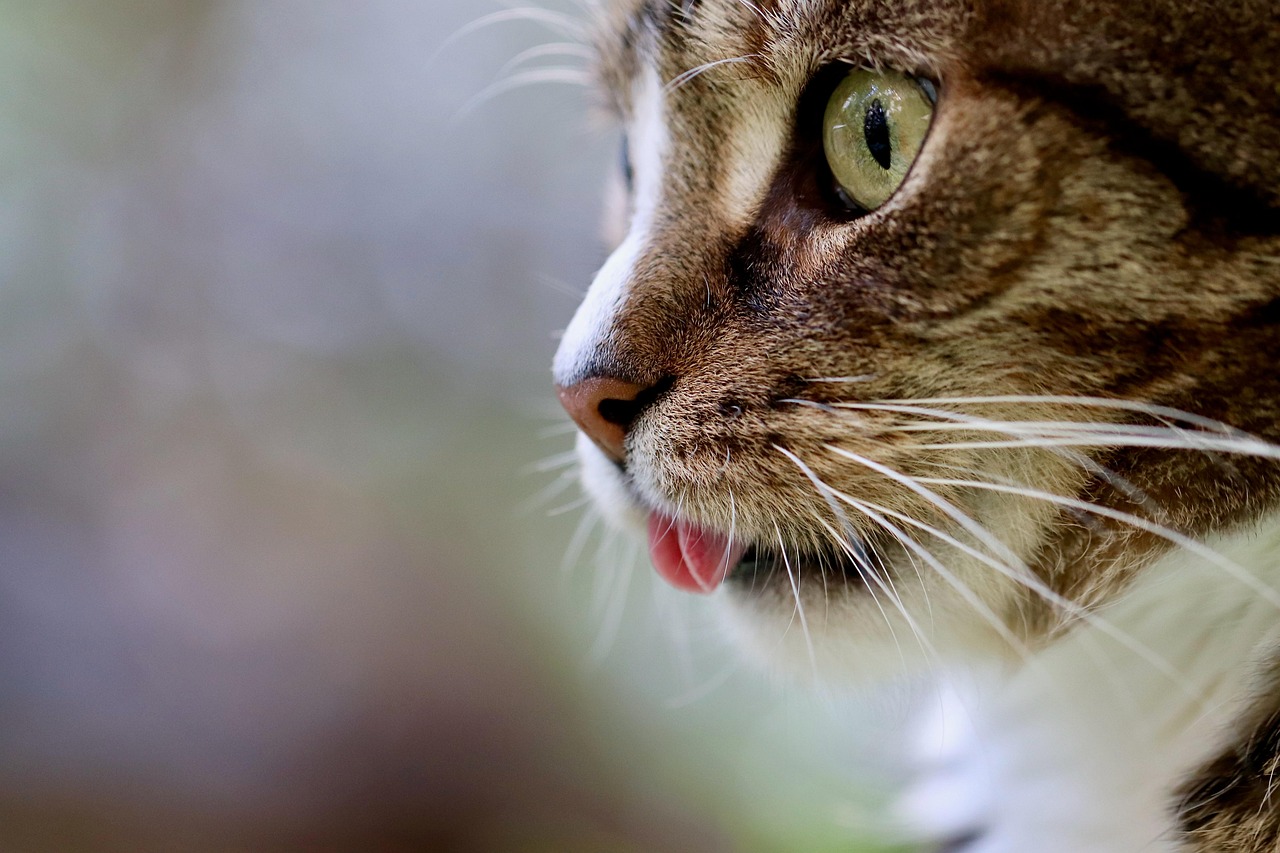

Distinguishing Between Normal Discomfort and Pain in Cats
Recognizing pain in cats can be challenging, as they do not express discomfort like humans. Understanding the differences between normal discomfort, which might include slight behavioral changes after exercise, and actual pain is crucial for proper feline care. Cats often hide their pain due to their instinctive survival behavior. Therefore, cat owners should be vigilant in observing any unusual behaviors. Normal discomfort might manifest as slight meowing or limited movement, whereas pain can lead to more drastic changes, such as aggression or withdrawal from loved ones. It is essential to observe your feline companion closely and understand their typical behavior to recognize when something is wrong. If your cat becomes unusually aggressive, it may be a sign of pain rather than true behavioral issues. Additionally, changes in appetite or grooming habits can indicate that your cat is in distress. Monitoring their litter box habits is equally important, as discomfort may prevent them from using it properly. Always consult with a veterinarian if your cat displays these symptoms, as they can provide guidance for effective pain management and ensure your pet’s well-being and comfort.
Understanding your cat’s body language is essential in assessing their pain levels. Common signs of pain in cats may not be as apparent as they are in other pets. Observing how your cat moves can provide vital clues; for instance, a cat that is limping or favoring a limb might be experiencing pain. Additionally, an increase in vocalization, especially if it seems more frequent than usual, can signal that your cat is uncomfortable. Cats might also hide more often or seek out quiet spaces, indicating they are in pain. In contrast, normal discomfort may lead your cat to rest more without drastic changes in their demeanor. Being attuned to these distinct behaviors helps you differentiate between pain and normal stress or discomfort. Furthermore, examining their physical condition regularly can help you identify any changes that might correspond with pain. Areas of concern include fullness in the abdomen, swelling, or unusual posture. Always consider any potential stressors in their environment that may contribute to discomfort, as these factors can require further attention to maintain your cat’s overall health and happiness.
When to Seek Veterinary Help
Knowing when to seek veterinary help is crucial in addressing a cat’s pain and ensuring their recovery. If you suspect your cat is in pain, it is advisable to consult a veterinarian as soon as possible, especially if their behavior changes drastically. Keep a diary of your cat’s behaviors, noting any signs of discomfort or pain. This act can provide valuable information for the vet, aiding in diagnosis and treatment. A sudden decrease in appetite or solid waste output alongside signs of pain necessitates immediate veterinary attention. Your veterinarian may conduct physical examinations, blood tests, or imaging techniques to accurately identify the issue. Some conditions indicating significant pain can be linked to injuries, dental issues, or internal diseases, so timely intervention is critical. Moreover, a vet can also prescribe pain relief medications customized to your cat’s needs and health conditions. Following the veterinary guidelines on managing your cat’s pain will contribute significantly to their recovery process. Keep communication lines open with your vet to ensure that any changes to your cat’s condition are continuously monitored and addressed promptly and properly.
Medications and treatments can vary widely depending on the cause of your cat’s pain. Over-the-counter pain relief should never be administered without veterinary guidance. Instead, consider discussing options that your vet might provide to manage pain effectively. Common treatment might involve anti-inflammatory medications or pain relief therapies appropriate for feline physiology. In more severe cases, a cat may require stronger prescription medications tailored safely for their specific health needs. Beyond medications, incorporating alternative pain management methods, such as acupuncture, may also be beneficial. Engaging in physical therapy can assist in maintaining mobility and gradual recovery. Cat owners should ensure any treatment plans include lifestyle changes that support comfortable living, such as changes in diet, as this helps in boosting overall health. Providing a stress-free environment can also significantly aid in pain management; clutter-free spaces and cozy resting corners allow your cat to feel safe. Regular follow-ups with the veterinarian will ensure that the pain management strategies are effective while allowing adjustments rooted in your cat’s ongoing needs.
Signs of Emotional Pain in Cats
It is also vital to recognize that cats can experience emotional suffering which may go unnoticed. Behavioral changes such as aggression, excessive grooming, or withdrawal are signs that can indicate emotional pain. These symptoms can arise due to changes in their environment, such as moving house, introduction of new pets, or stress from loud noises. Notably, a cat that suddenly stops eating may be dealing with emotional distress, and not only physical discomfort. Daily owners should emphasize more on the significance of emotional well-being and create a suitable living space that alleviates stress. Engaging in playful activities and dedicating time to bond with your cat can also help mitigate feelings of emotional pain. Understanding your cat’s personality will aid in recognizing abnormal behavior, allowing prompt action if they seem withdrawn or distressed. Providing mental stimulation through interactive toys or puzzle feeders can enrich their environment, minimizing emotional pain triggers resulting from boredom or anxiety. Assessing the emotional health of your feline companion is essential as it contributes directly to their overall happiness and comfort.
Managing pain in cats requires both vigilance and proactive measures. As a responsible owner, it is essential to dedicate time observing your cat’s daily habits and behaviors continuously. This attentive approach helps ensure that any emerging signs of discomfort or distress are identified quickly. Regular veterinary check-ups allow for health issues to be addressed before they escalate into painful conditions. Furthermore, keeping an open dialogue with your vet can lead to tailored strategies for both physical and emotional pain management. Special attention should be given to maintaining routines as abrupt changes can induce stress. It’s also important to monitor diet closely; providing a balanced diet supports overall health and can aid in preventing painful conditions, such as obesity in cats. Offering a safe environment where your cat can express itself freely is pivotal. Appropriately designed spaces can promote comfort, including soft bedding and secluded areas for resting. Lastly, consider using calming products, such as pheromone diffusers, to help maintain stress levels, thereby contributing to your cat’s overall comfort and peace of mind.
Conclusion
In summary, recognizing pain in cats involves a mix of keen observation, understanding the distinction between discomfort and pain, and applying proactive measures. Cat owners play a vital role in identifying changes in behavior and seeking veterinary intervention when required. Regular health check-ups and being informed about appropriate treatment options will empower owners to make educated decisions regarding pain management. Moreover, fostering a stress-free and supportive environment for their cat positively impacts emotional well-being and minimizes potential pain triggers. The psychological aspect of pain should not be overlooked; addressing emotional health is as important as responding to physical pain in cats. Each cat’s temperament is unique, necessitating personalized approaches for pain management tailored to their specific needs. By committing to understanding your feline companion’s behavior and maintaining a healthy dialogue with professionals, you can enhance their quality of life. Ultimately, with appropriate attention, care, and management, your cat can enjoy a comfortable, healthy, and fulfilling existence, effectively minimizing pain and stress for a happier life.
Incorporating routine preventive measures into your cat’s health regimen is paramount. Simple steps can enhance pain management as cats age or undergo health changes. Maintain an active lifestyle for your feline friend, including regular playtime and physical exercise. Serving a well-balanced diet will lend significant support to their health. Advocate for understanding feline body language and behavior changes, which can serve as early warning signs of discomfort or stress. Awareness is critical, and educating yourself about various aspects of cat health is invaluable. Promptly seeking veterinary advice for any worries, no matter how small, demonstrates commitment to their well-being. Lastly, ensure your home remains a sanctuary for your cat, filled with love and calming elements, to foster emotional and physical comfort. Striking the right balance between attention, professional guidance, and adequate environment management will go a long way in enhancing the quality of life for your beloved pet.