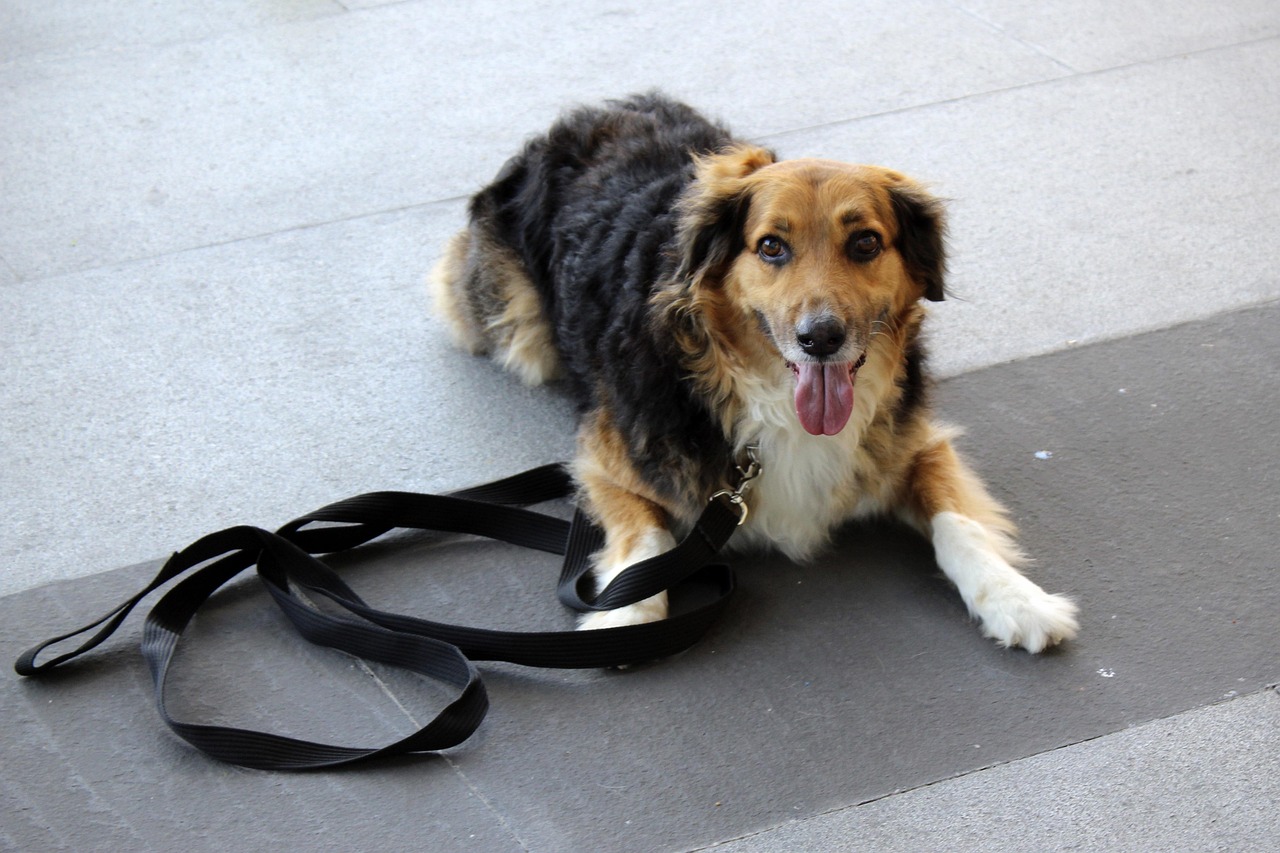

How to Use Praise and Affection in Dog Training
Incorporating praise and affection into dog training is crucial for fostering a strong bond between you and your pet. Dogs are naturally social animals that thrive on interaction. When a dog receives positive reinforcement, they associate their behavior with pleasure, making them more likely to repeat it. This strategy can be applied during various training stages. Initially, use mouth-friendly treats, along with exciting and positive verbal affirmations, when your dog successfully obeys commands. This establishes a positive feedback loop. Moreover, body language plays an essential role in training; your gestures support verbal commands. Offer belly rubs or ear scratches as an alternative form of affection, as these actions help reinforce loving behavior. This method not only teaches your dog commands effectively but builds trust within your relationship. To deepen your connection, be consistent with your praise and affection; it helps your dog understand that their good actions lead to positive outcomes. Utilize different types of praise for various situations—they all count! Eventually, this can lead to a more obedient dog that responds to commands readily and enthusiastically.
To effectively implement a positive reinforcement strategy, timing is essential. Dogs learn best when they understand immediately why they are being praised. When they perform an action that suits your desires, provide praise within a few seconds. This helps them associate the action with a positive reward. Use a combination of treats, verbal praise, and affection to reinforce specific behaviors. When your dog sits on command, say “good dog” enthusiastically while giving them a small treat. Gradually, you will find that verbal praise becomes enough as they associate your happiness with their actions. Consistency is equally important. If you praise your dog one day for a behavior and ignore it the next, this confuses them. Always reward them for good behavior to ensure they recognize its importance. Combining verbal cues with a physical touch, like a head pat or cuddle, enhances the reinforcement. Remember, your dog’s emotional state significantly affects their learning process, so keeping training sessions enjoyable and positive is key. You want your dog to look forward to training, treating it as a game rather than a chore.
Integrating Praise into Training Sessions
Integrating praise within training sessions requires a structured approach. Start by organizing short, manageable training sessions where your dog can remain engaged and focused. This is vital, especially for young dogs, as their attention spans are shorter. During these sessions, ensure your energy remains high. Dogs often mirror the emotional energy of their trainers. Being excited about their achievements will motivate them further. When your dog executes a command correctly, be quick to respond with enthusiastic praise. Make it a mix of verbal encouragement and gentle physical affection. Additionally, using a clicker can enhance your training effectiveness. Clickers provide a clear auditory cue that pinpoints the exact moment your dog performs correctly. After clicking, follow it up immediately with praise and a treat, reinforcing the behavior. Always alternate your praise types to keep things fresh; using varied tones and words prevents your dog from becoming desensitized. Lastly, ensure you conclude each session on a positive note with a successful command or trick. This will help to maintain enthusiasm and eagerness for the next session, ultimately helping your dog learn better.
Another compelling way to incorporate affection into training is through everyday activities. Dogs learn continuously; hence, each interaction can serve as an opportunity to reinforce good behaviors. During walks, if your dog remains calm and doesn’t pull on the leash, offer praise at that moment. This will reinforce their behavior outside of traditional training sessions, showing them that calmness is rewarded. Additionally, playing fetch or tug-of-war can be effective learning moments too. Celebrate their successes during playtime, associating these activities with enjoyable and rewarding experiences. When your dog successfully retrieves a toy, show excitement in your tone, letting them know they’ve done well. Furthermore, use downtime at home for bonding. If your dog lays quietly beside you, gently pet them and provide soothing words of affirmation. This builds their confidence and affirms the bond you share. Positive reinforcement doesn’t solely depend on training sessions; it can manifest in daily routines. The more you communicate affectionately through praise during regular interactions, the faster your dog will adapt their behavior. Thus, fostering a deeper connection ultimately leads to better training outcomes.
Creating a Positive Training Environment
Creating a conducive atmosphere for training with praise and affection is pivotal to your dog’s learning journey. Start by ensuring the training area is free from distractions. Find a quiet space to minimize noise and interruptions, ultimately aiding your dog’s focus. Having treats accessible helps facilitate immediate praise when a desired action occurs, reinforcing the behavior promptly. The environment should evoke a sense of safety and comfort. Dogs can sense stress or frustration, which can hinder learning. Thus, keep the atmosphere relaxed and fun. Incorporate games into training to make it enjoyable; this diminishes any potential anxiety. Try to limit training time per session to around ten to fifteen minutes. Short bursts maintain enthusiasm and keep your dog from getting bored or overwhelmed. Mixing it up with different commands or tricks will ensure the novelty. Finally, consistently evaluate your dog’s feedback. Pay attention to their body language and adjust sessions accordingly. If your dog appears less engaged, it may indicate a need for a change in approach or type of praise. A flexible mindset goes a long way towards achieving results.
Another critical aspect of effective training involves understanding your dog’s unique preferences. Each dog possesses distinct character traits and behaviors, shaping how they respond to praise and affection. For some, verbal praise may resonate most effectively, while others appreciate physical affection more, such as a gentle scratch behind the ears. Experiment with various forms of praise to find what motivates your dog the most. Some dogs respond to high-energy verbal affirmations, while others appreciate a softer, calming voice. Through observation, you can discover their preferences and adjust your training approach accordingly. Remember, not every dog will react positively to the same reinforcement techniques, so be patient while you evaluate their responses. You want your dog excited to meet your commands, and identifying their preferred praise method cultivates a more satisfying learning experience. Additionally, it’s essential to be mindful of the timing of your praise. For reinforcement to be effective, it should occur immediately following the desired action. This immediacy reinforces the connection between their behavior and the positive experience, solidifying their understanding of what you want.
Addressing Challenges and Maintaining Motivation
As you progress in your dog’s training journey through praise and affection, be prepared for potential challenges. Not all training processes follow a smooth path; setbacks can occur, but that doesn’t indicate failure. It’s essential to identify triggers that might lead to undesired behaviors and address them. If your dog becomes distracted, practice basic commands in a quieter environment before reintroducing more stimulating surroundings. Maintaining motivation is equally crucial. Dogs may become disinterested if they repeatedly hear the same commands or perform the same tasks. Mixing up commands, tricks, or even forms of praise will rekindle their excitement. Provide variety, integrating unexpected surprises during training sessions. Keep them engaged with quick play breaks, allowing them to relax and recharge before continuing. Additionally, celebrating milestones contributes to motivation. Acknowledge and reward accomplishments, however small. Using treats, special toys, or extra playtime can serve as motivation boosters. Above all, maintain a positive attitude: your enthusiasm and encouragement create an uplifting experience within training sessions that fosters a love for learning and strengthens the bond between you and your dog.
Finally, remember that patience is key throughout your training journey. Positive reinforcement requires time, and every dog learns at their own pace, so the best results will come from consistent effort and understanding. If your dog struggles to grasp a specific command, avoid frustration or punishment; this can hinder all previous training success. Instead, reassess your approach and adapt your methods to suit your dog’s learning style. Consider extending training sessions or taking a step back to build their confidence. Incorporating more playtime within these sessions can help reinforce learning by making it enjoyable. Additionally, allow for pauses during training, enabling your dog to process information or relax. Recognizing their emotional state is essential; a tired dog may not grasp commands effectively. Finally, treasure the moments spent together during training and celebrate the joys of learning. Remember that positive reinforcement is just one aspect of fostering a strong, loving relationship with your pet. Enjoy the journey together, and cherish the transformative moments that enhance your dog’s life while creating lasting memories. Overall, using praise and affection effectively paves the way for a happy, obedient dog.