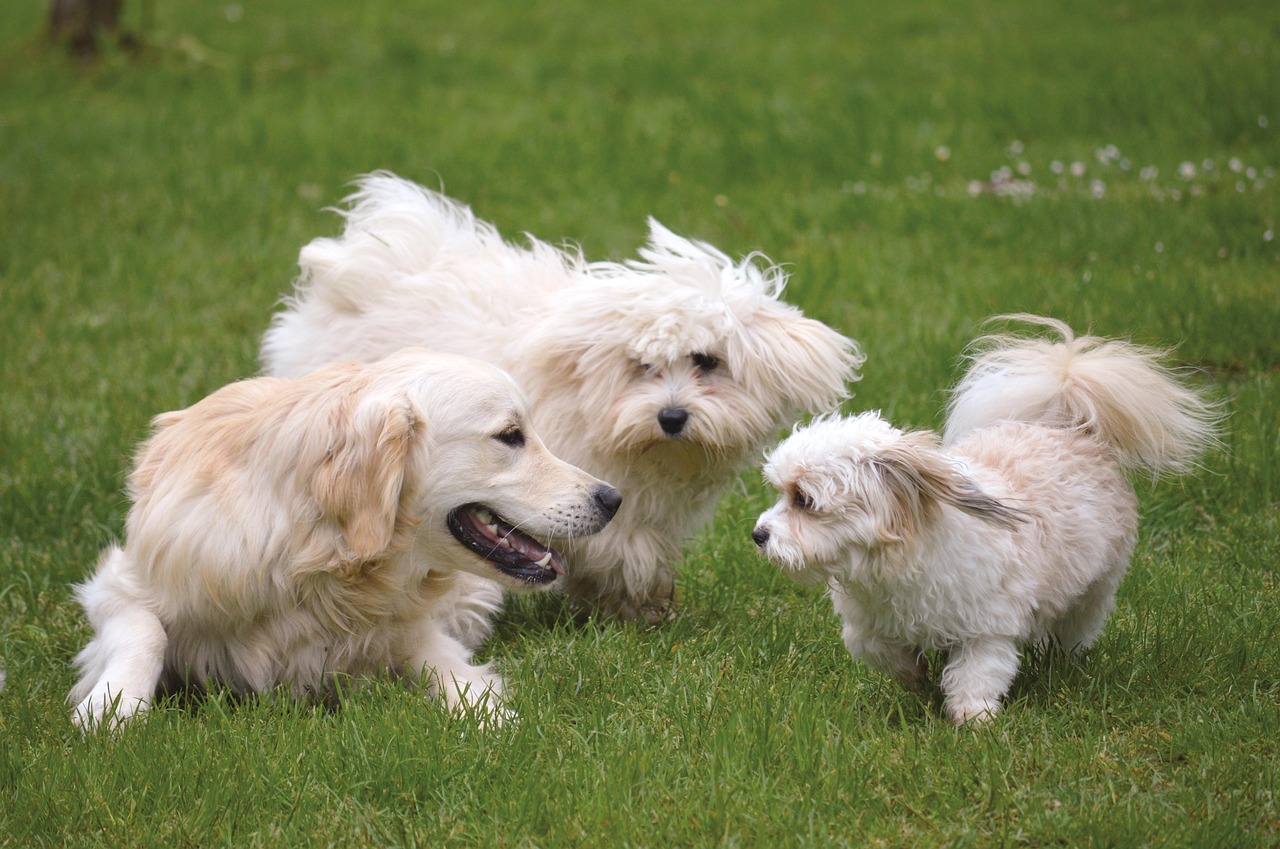

The Role of Positive Reinforcement in Dog Socialization
Dog socialization is a fundamental aspect of helping your canine companion become a well-adjusted member of society. The process involves exposing your dog to various environments, people, and other animals. Positive reinforcement is a strategy that rewards desired behaviors, which encourages dogs to repeat them. This technique strengthens the bond between you and your dog, making training more effective. Using rewards such as treats, praise, or playtime, you can create a fun learning atmosphere. Engaging in positive reinforcement during socialization helps to reduce fearfulness and anxiety. As dogs learn to associate new experiences with something enjoyable, they are more likely to face those situations positively in the future. A well-socialized dog is often more relaxed and adaptable, improving their quality of life and ease of handling. This method is preferable to punishment-based training approaches that can lead to behavioral issues. Understanding the importance of positive reinforcement can dramatically enhance your dog’s socialization experience, helping them become relaxed and confident during interactions with other dogs and people.
To effectively implement positive reinforcement in dog socialization, there are key strategies to follow. First, ensure that your treats or rewards are motivating for your dog. Experiment with different types of rewards, such as high-value treats, toys, or affection. Always ensure that you have these rewards handy when introducing your dog to new situations. Additionally, timing is crucial in delivering rewards; they should be given immediately after the desired behavior occurs to reinforce the connection. Gradually increase the difficulty of socialization scenarios as your dog becomes more confident. Start with low-stress environments and proceed to more challenging ones. It’s important to be patient and ensure that you’re not overwhelming your dog. Use clear commands and keep your training sessions short to maintain your dog’s attention. Monitor their body language during socialization; signs of stress may indicate it’s time to retreat from that particular situation. Celebrate small victories as they occur. By focusing on positive experiences and encouraging interactions, you will set the stage for successful socialization, helping your dog thrive in various environments.
Understanding the Impact of Fear
Fear can significantly hinder a dog’s ability to socialize effectively and confidently. When dogs are introduced to new experiences seemingly without preparation, they may associate those with fear, leading to anxiety during similar encounters in the future. In extreme cases, fear may manifest as aggression, which can further complicate socialization and training efforts. Avoiding fear-based training methods is essential, as these approaches can backfire, deepening your dog’s fear and insecurities. Instead, using positive reinforcement helps the dog learn that new experiences can be enjoyable rather than frightening. For instance, if your dog reacts negatively when meeting new people, introducing those individuals gradually while rewarding calm behavior will foster reassured social interactions. Supportive environments normalize positive experiences, gradually replacing fear with confidence. Developing social skills takes time and patience, but with positive reinforcement, you can cultivate a dog that embraces new situations with joy. A dog that fears social encounters may struggle to integrate within family settings, leading to isolation and stress. Therefore, it’s crucial to address fear through gentle exposure and rewarding confidence-building experiences.
Another significant aspect of employing positive reinforcement in dog socialization relates to the gradual adjustment of your training techniques. As your dog becomes more comfortable in social situations, gradually decrease the frequency of rewards while maintaining praise and encouragement. This transition helps reinforce the behaviors while encouraging your dog’s self-confidence in navigating social settings. Additionally, incorporating group classes or dog parks may provide valuable opportunities for socialization with other dogs and people. Ensure to monitor your dog’s responses during these experiences, rewarding moments of calm or curiosity with positive reinforcement. Interacting with other dogs under controlled circumstances creates a beneficial scenario for social learning. They can learn to read social signals, body language, and play etiquette from their peers. Maintaining a supportive presence during these interactions contributes significantly to your dog’s social development. It’s essential to remain adaptable with your training approach; every dog is different and may require a unique blending of rewards. Avoid putting your dog in excessively stressful situations that could negate their progress; patience leads to enhanced social skills and enjoyable experiences.
Benefits Beyond Socialization
The benefits of positive reinforcement extend beyond simple socialization; they contribute to an overall better relationship with your dog. When consistently rewarded for good behavior, dogs are likely to develop a deeper sense of trust and attachment to their owners. This relationship fosters a more willing participant in training exercises, as they desire to please their humans in return for positive experiences. Additionally, the principles drawn from positive reinforcement methods help improve behavioral issues arising from anxiety, fear, or frustration. Furthermore, well-socialized dogs tend to be more adaptable, which can ease travel, visits to the vet, and other challenging scenarios. Spending time early in your dog’s life focusing on integration through socialization and positive reinforcement lays the groundwork for lifelong habits. These foundational experiences contribute to well-mannered, socially capable companions. Alongside practical benefits, the emotional aspects of these interactions cultivate a loving and loyal bond between owner and dog. Ultimately, positive reinforcement creates a harmonious atmosphere for both parties and promotes a fulfilling partnership that thrives on mutual respect and understanding.
Engaging in regular socialization activities not only requires time and dedication, but it can also be enjoyable for both the owner and the dog. Joining training classes often facilitates a consistent schedule for practice while connecting with other dog owners sharing similar experiences. These environments can cultivate social bonds for both dogs and their owners, promoting community support and resources. Collaborating with trainers skilled in positive reinforcement techniques provides valuable insights and expert guidance in the socialization process. Here, trainers can introduce diverse exercises that enhance your dog’s ability to adapt to new experiences. Moreover, participating in storytelling can engage your dog’s natural curiosity while enhancing their learning. For example, creating exciting scenarios while incorporating games can make training sessions more engaging and productive. It’s essential to make learning fun! Remember, positive reinforcement is ultimately about fostering a joyful learning experience. As your dog becomes more socially adept, you will find long-lasting benefits not just for your pet, but for yourself as well, as interactions with your dog continuously strengthen your bond and shared experiences.
Conclusion
In conclusion, the role of positive reinforcement in dog socialization cannot be overstated. This approach encourages dogs to explore the world with confidence, leading to well-adjusted companions capable of enjoying a variety of experiences. Balancing patience, consistency, and reward strategies helps ensure your dog feels equipped to handle different situations, ultimately fostering their adaptability and resilience. Remember to introduce new experiences gradually and focus on celebrating small victories along the way. Additionally, collaborating with trainers can provide significant insights and enhance the learning process, benefiting your socialization journey. A strong bond develops with your dog as they thrive through positive reinforcement, altering their perception of social situations. As dogs learn to trust and engage with others while consistently benefiting from rewards, a lasting understanding develops, enhancing loyalty and companionship. By nurturing these experiences early in a dog’s life, you create a foundation for lifelong learning and enjoyment. Given the benefits associated with socializing your dog through positive reinforcement, dedicating time to this process is invaluable. Strive to create loving, positive learning experiences that ultimately pave the way for a happy, well-socialized canine.