
The Role of Safety Equipment in Preventing Dog Escapes
Dog safety is paramount for every responsible pet owner, given the risks involved with letting dogs roam freely. One key factor in dog safety is using appropriate safety equipment designed to prevent escapes. The importance of safety equipment such as collars, leashes, harnesses, and fences cannot be underestimated. These items serve vital functions in ensuring both the safety of dogs and the peace of mind for their owners. Firstly, collars can help identify dogs through ID tags, which is critical if they manage to escape. Secondly, harnesses distribute pressure evenly across the dog’s body during walks, ensuring their comfort and control. Thirdly, quality leashes accommodate different dog sizes and activities, playing an essential role in preventing sudden escapes. Finally, secure fences and gates not only inhibit physical escapes but also contribute to a dog’s overall safety. Owners can confidently allow their pets outdoor time when they know appropriate safety protocols are in place. Investing in quality equipment saves lives, prevents accidents, and fosters a secure environment for pets. Safety standards in dog equipment should be prioritized to ensure optimum effectiveness.
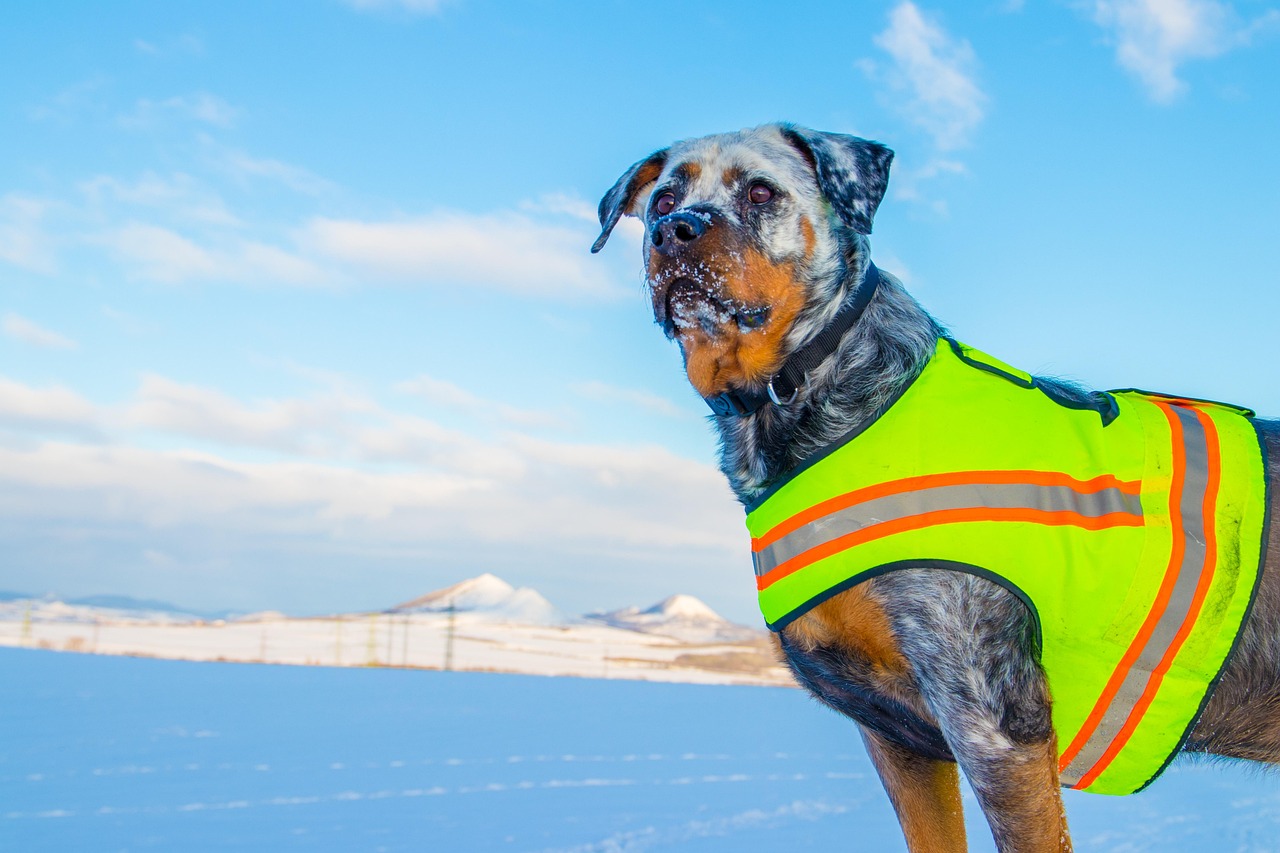
Choosing the right dog safety equipment is a pivotal task for pet owners wanting to prevent escapes. Many dog breeds have specific characteristics and behaviors that require a tailored approach when selecting safety gear. Owners must consider the dog’s size, energy levels, and personality while investing in suitable equipment. For instance, high-energy breeds might benefit from harnesses specifically designed for strength and control during walks. Additionally, owners would need to assess their environment, including whether they have a securely fenced yard or an outdoor space prone to distractions. When considering leashes, pet owners should choose durable materials to withstand any pulling or tugging from excited pets. Buying reflective or bright-colored leashes and collars could also enhance visibility during walks in low-light conditions. Moreover, investing in dog training for recall commands can reinforce behavioral safety, making it more unlikely for dogs to stray from their owners. Another essential element relates to weather considerations; equipment should withstand various conditions, protecting pets from injury or escape due to unexpected events. Evaluating safety gear on a routine basis also safeguards against wear and tear that could compromise safety.
Understand Local Regulations and Requirements
Understanding local leash laws and regulations is crucial in optimizing dog safety and preventing escapes. Each municipality may have diverse leash laws guiding how dogs should be restrained in public spaces. Familiarity with these regulations not only helps in avoiding fines but also ensures the safety of both pets and people. Certain areas may mandate leashes for all outdoor activities, while others may permit off-leash parks where dogs can roam freely under supervision. It is beneficial for dog owners to report lost animals immediately should they escape, aiding local shelters and organizations in returning them promptly. Moreover, tagging and microchipping remain essential; these techniques provide security if identification tags are lost during an escape. Educating oneself about local guidelines assists in proactive measures toward responsible pet ownership. Many communities offer resources, dog courses, and workshops focusing on dog safety and responsible care. Collaborating with fellow dog owners and community members can lead to enhanced public awareness and improved practices regarding dog safety. Ultimately, abiding by local laws can decrease escape occurrences and secure a safer environment for all.
Community engagement plays a significant role in enhancing dog safety through shared resources and knowledge. Establishing connections with fellow dog owners can serve as a support network, exchanging tips and experiences regarding challenges faced. Community dog training classes are also beneficial for helping dogs learn better obedience skills, providing essential socialization opportunities. Additionally, local dog parks can serve as both recreational spaces and forums for discussing safety issues. Owners can organize events to raise awareness about appropriate safety equipment and responsible ownership, promoting best practices among pet owners. Collaborating with local veterinarians or pet stores for safety workshops could further inform owners about the most effective safety equipment available. Together, the community can address various aspects of dog safety, from equipment to behavior modification. Engaging with local shelters and rescue organizations also encourages responsible practices, raising awareness about the importance of safely securing dogs and minimizing escape incidents. As conversations deepen, owners can develop friendships while benefiting their pets. Ultimately, community engagement fosters a sense of belonging, reinforces safety protocols, and positively impacts the lives of dogs and their families.
Invest in High-Quality Safety Gear
Investing in high-quality dog safety equipment is essential in minimizing risks associated with escapes. Many inexpensive options may seem attractive but can compromise safety. For instance, substandard leashes might snap under stress, leading to a potentially dangerous escape. In contrast, durable leashes made of strong materials are specifically engineered to withstand the force of even the strongest dogs. Likewise, harnesses designed for comfort and security can significantly reduce the chances of slips and escape attempts. Utilizing high-quality collars, leashes, harnesses, and fences minimizes weakening, fraying, or mechanical failures. Owners should carefully read reviews and consider brands renowned for their commitment to canine safety. Additionally, consulting with professionals within the dog care industry can help elevate the choices for equipment, ensuring compatibility with individual dogs. Spending a little more on reliable gear is often worth the investment considering the potential financial and emotional cost of losing a pet. Regular maintenance and check-ups on safety gear will ensure its readiness, preventing untimely accidents. In terminologies of safety, prevention often outweighs post-event responses, making careful investment crucial.
Training your dog complements the use of safety equipment in preventing escapes and bolstering safety. Dogs are naturally playful and curious, which can lead them to explore beyond boundaries. Engaging in positive reinforcement training can significantly curb escape behavior by teaching commands such as ‘stay,’ ‘come,’ or ‘heel.’ Consistent training helps create accountability, ensuring dogs understand their place during outings. Furthermore, socialization is pivotal in building confidence, allowing dogs to feel secure in various situations, reducing their urge to run away. Employing professional trainers or attending dog training classes could galvanize progress and commitment to safety protocols. It is equally important for owners to maintain a routine with their pets, incorporating daily training sessions while enjoying their environment. Regular practice strengthens the bond between owner and dog, fostering trust and understanding. Additionally, improvised training in real-life scenarios can further reinforce safety skills outside a controlled setting. Creating a collaborative environment with family while training furthers the commitment, ensuring everyone involved adheres to safe practices. This approach not only enhances training but also cultivates a deeper connection with pets.
Conclusion and Final Thoughts
Implementing effective dog safety protocols is critical for preventing escapes and ensuring the well-being of pets. From investing in high-quality safety equipment to understanding local regulations, countless steps contribute to a secure dog ownership experience. Owners significantly reduce escape incidents through adequate training, community engagement, and choosing appropriate safety gear. Creating an environment that prioritizes safety not only protects dogs but enables pet owners to enjoy their companionship without fear. Furthermore, ongoing maintenance and evaluation of safety equipment highlight an owner’s dedication to responsibility. Training methods adjusted to each dog’s unique needs can reinforce safety while enhancing the bond shared between pet and owner. Each element in this equation reinforces the other, creating a comprehensive approach to canine safety. Many resources are available for dog owners seeking to enhance their understanding, including community workshops, professional trainers, and the dog care industry. Investing in these areas should be seen as a positive step toward a secure future for dogs. In conclusion, the commitment to dog safety involves continuous efforts in education, community involvement, and proactive measures to keep dogs safe.
Collectively, embracing dog safety measurement transcends mere equipment; it celebrates the ethos of responsible ownership. Proper maintenance and abiding by safety regulations form the backbone of an effective dog safety strategy. Embracing a culture of vigilance among owners ensures that dogs enjoy life to the fullest without unnecessary risks. Making intentional efforts to prevent escapes fosters an environment where pets can thrive and enrich their owners’ lives. In this endeavor, teamwork is essential across owners to maintain best practices and share invaluable experiences. Interactions and conversations will contribute to a more informed community based on shared values around safety. This collaboration promotes a richer lifestyle for dogs and peace of mind for owners. Furthermore, evaluating safety techniques and receiving feedback from fellow dog enthusiasts enhances individual skills and approaches to safety. Destiny lies in the hands of well-prepared owners—assuring a safe, loving atmosphere where canines can run and play freely. Thus, it’s imperative to remain proactive and committed to continually adapting safety protocols to meet evolving needs and circumstances. This journey toward heightened safety is a testament to the love and commitment of dog ownership.