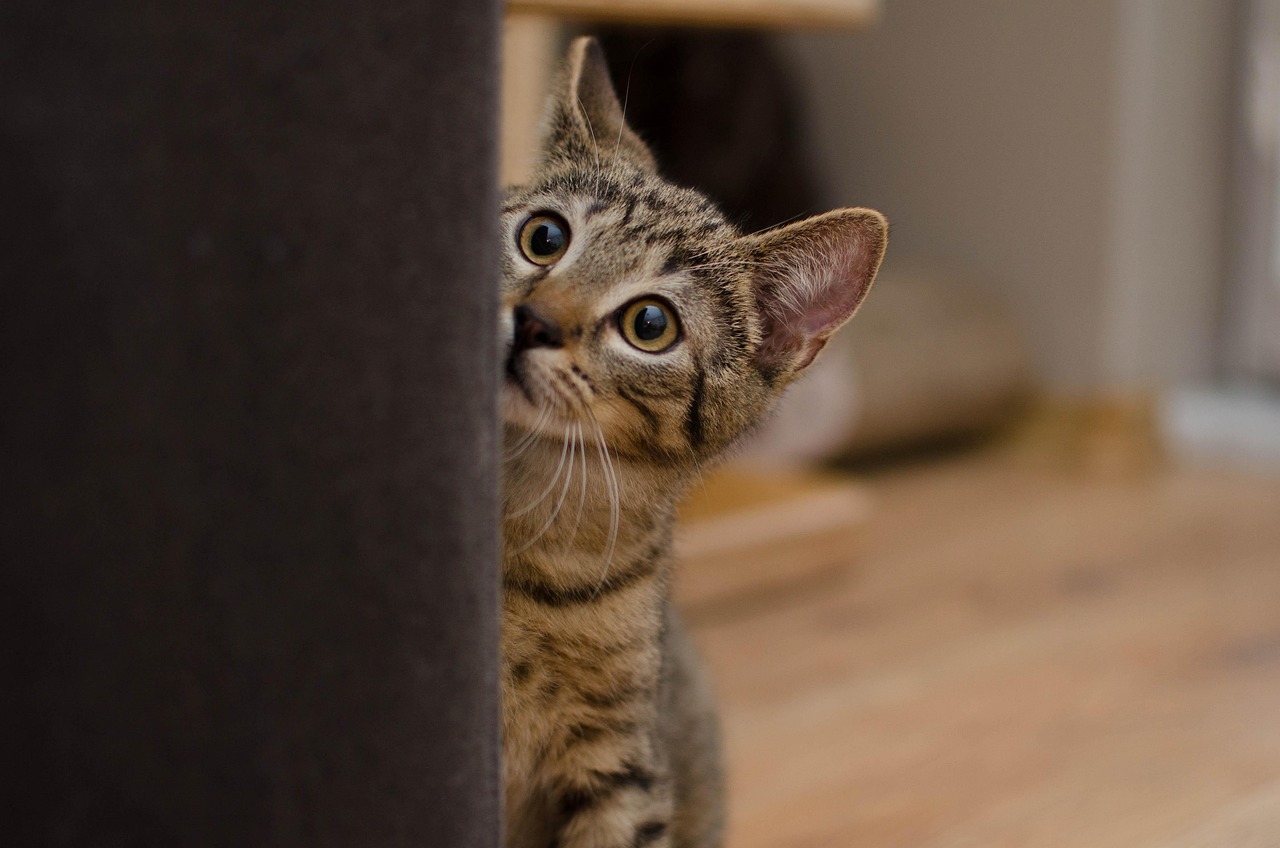

Tips for Training Shy or Timid Cats
Training a shy or timid cat can be a rewarding journey, especially if you understand their unique behavior. Start by creating a safe space for your cat, a quiet area in your home where they can explore on their own terms. Remember, cats are naturally independent creatures, and forcing them into interaction might cause stress. Instead, use a gentle approach to guide them. Rewards, in the form of treats or praises, can significantly encourage timid cats to engage. When they approach or interact with you, offer treats immediately to create a positive association. Introduce training sessions when your cat appears relaxed. Keep the sessions short; around five to ten minutes is ideal. Consistency is vital when working with shy cats, so establish a routine that makes them feel secure. You can also use clicker training, which provides immediate feedback and reinforcement. Gradually increase the challenges as they become more comfortable. Encourage them to explore different environments at their own pace, and never rush them. Patience and understanding are key components in the successful training of shy or timid felines.
One effective method to help your shy cat is through gradual introductions, especially if you have multiple pets. Begin by allowing them to observe from a distance. For instance, set up opportunities for your timid cat to watch other pets play without direct contact. This minimizes anxiety and builds their confidence. Remember, you’ll want to protect your shy cat from overwhelming situations that can increase their stress levels. Use scent swapping to introduce the presence of other animals; rub a cloth on one pet and let the others sniff it out later. This creates a familiar environment before physical introductions occur. Use treats to reinforce calm behavior during these interactions. For example, toss a treat in the direction of a more confident cat to encourage curiosity. If you notice signs of discomfort, give your shy pet space and allow them to retreat. It’s essential to let them set the pace. Tension among pets can impact a timid cat’s training progress, so be observant. Encourage a positive atmosphere where all pets feel safe. Positive reinforcement is important here too; reward any interaction between them with treats, maintaining a fun environment.
Creating a routine for your shy cat can significantly ease their anxiety. Cats thrive on consistency; it makes them feel secure in their environment. Schedule feeding times, playtimes, and training sessions at the same intervals daily. This predictability can help generate trust in your timid cat. Establish rituals that include donning a specific voice or sound during training sessions. This method can make training distinct and easily recognizable to your cat. Additionally, incorporate interactive toys into your routine, encouraging shy cats to explore the spaces safely. Simple toys like feather wands or laser pointers can stimulate their hunting instincts, making them more comfortable in their environment. You can even hide treats in puzzle feeders to inspire exploration and mental engagement. Alongside toys, ensure your cat has a resting space with cozy blankets and hiding spots. Cats love to observe their surroundings from a distance, so vertical spaces like shelves or perches are beneficial. Creating a stimulating environment with different elements will encourage self-confidence in your shy pet. Over time, this will help in reducing anxiety and encourage natural behavior during the training process.
The Importance of Positive Reinforcement
Positive reinforcement drives successful training sessions, especially with shy cats. This technique rewards behavior rather than punishing unwanted actions. By rewarding your cat for acts that align with your training goals—like approaching you or playing—you’re helping them associate training with positivity. Start small; even slight movements toward you can earn a reward. You can use a variety of treats, but ensure they are something your cat truly enjoys. Monitor your cat’s reactions to different types of rewards and adjust accordingly. Furthermore, avoid overwhelming your timid cat with excessive praise or stimulation, as this can frighten them. Instead, quietly reward them and gradually increase interactions as they grow comfortable. Other forms of rewards can include gentle petting or favorite toys. Never scold or reprimand your cat during training, as this can diminish trust. Shy cats need an environment where they can feel secure. Be mindful of their stress signals—ears back, hiding, or rapid tail movements indicate discomfort. React appropriately to these signs by backing off or allowing a break. Consistent, calm reinforcement will aid in forming bonds with your shy cat, enhancing their overall comfort and confidence.
Using body language effectively during training can enhance your connection with a timid cat. Felines are sensitive creatures, and understanding their cues helps foster trust. When approaching a shy cat, do so slowly and calmly, ensuring you are seated or lowered to their level. Avoid direct eye contact initially, as staring can be perceived as a threat. Instead, try to blink slowly; this gesture is often interpreted as a sign of trust among cats. Pay attention to your cat’s posture; a relaxed cat often has a straight body, ears facing forward. Utilize your own body language to exercise patience. If you notice your cat is becoming anxious or agitated, give them space to breathe. Enrich their environment with various stimuli they can explore independently, such as catnip plants or soft surfaces. Gradually increase your presence, letting your timid cat observe before initiating direct interaction. As they become accustomed to your presence, incorporate more structured play sessions. Over time, using positive body language will enable your cat to trust you, establishing a stronger foundation for training and social interactions. Such patience will ultimately lead to a deeper bond.
Creative Ways to Engage with Your Cat
Engaging with your shy cat involves creativity and an understanding of what interests them. Use toys to create a fun-filled atmosphere which encourages interaction without direct confrontation. Items like feather wands simulate hunting, allowing your timid cat to participate without feeling threatened. Incorporate playtime regularly, which reinforces bonding while capturing their interest. Consider engaging them in a game of hide-and-seek with treats to stimulate their adventurous side. For instance, hide their favorite snacks in various locations, encouraging exploration. You can build confidence through this type of interaction, as it invites independence. Puzzle toys are another inventive tool for training shy cats. They provide mental stimulation and can distract from anxiety. When your cat learns to solve the puzzle for treats, it boosts their self-esteem. Singing or talking softly can also create a calming environment, fostering a sense of safety. Utilize calming pheromones available in sprays or diffusers to ease anxiety further. Ultimately, the key is to maintain a balance of fun and security, allowing your shy cat to explore and engage in a way that feels comfortable.
In summary, training a shy or timid cat requires patience, understanding, and creativity. Creating a safe environment, utilizing positive reinforcement, and employing effective body language are fundamental practices that can make a significant impact on your cat’s behavior. Routines should be maintained to provide comfort, while short training sessions can help ease nervousness. Engaging in interactive play encourages your cat’s natural instincts, allowing them to feel confident in expressing curiosity. Effective communication through body language will establish trust throughout the training process. Additional strategies like gradual introductions can help shy cats adapt better to multi-pet households or new situations. Finally, being observant of your cat’s reactions allows you to adjust training techniques accordingly. Always prioritize your cat’s comfort and emotional well-being. The relationship developed through patience and understanding not only helps in training but also deepens the bond between you and your feline companion. With time and effort, timid cats can flourish into confident companions ready to explore the world with you. Remember, every cat is unique, so be prepared to adapt your techniques based on your cat’s individual needs and preferences.