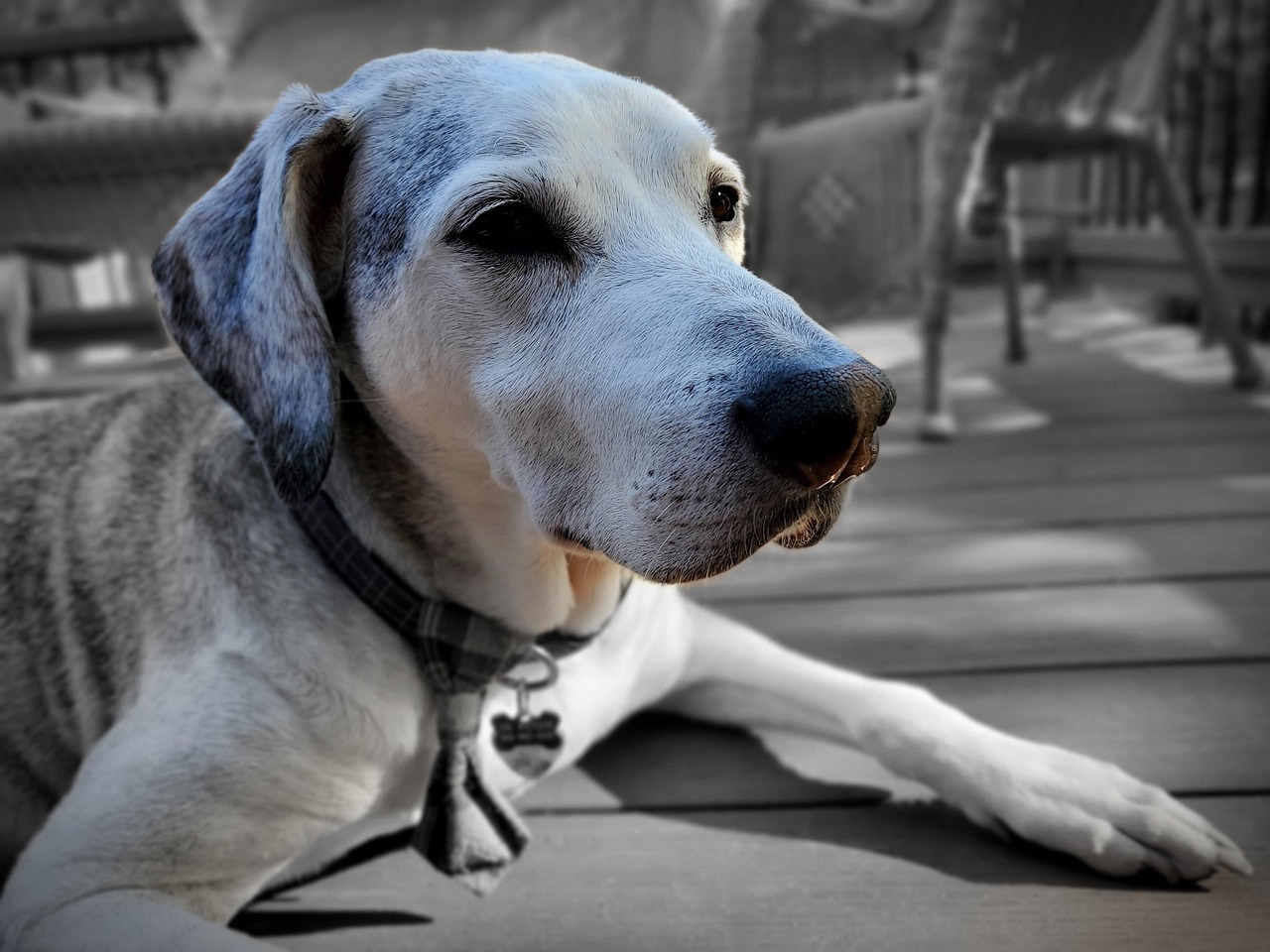

Top Safety Tips for Senior Dogs: Keeping Your Aging Pet Protected
Caring for senior dogs requires us to be vigilant regarding their health and safety. As dogs age, they experience various physical and cognitive changes that can increase their vulnerability. It’s essential to create a safe environment that accommodates their needs. First, consider adjusting your home to reduce potential hazards. For instance, ensure that floors are non-slippery and free of clutter. Create safe pathways for your dog that allow easy navigation. You can also add ramps to help them enter and exit vehicles comfortably. Keeping essentials like food and water within reach is important, too. Additionally, invest in a comfortable bed where your senior dog can rest without straining. Regularly checking for any changes in behavior, appetite, or mobility issues will alert you to any new conditions that may arise. For exercise, choose activities that accommodate your dog’s energy levels. Gentle walks and mild play sessions are advisable. Furthermore, consider using dog gear such as harnesses that provide extra support during walking. Always ensure your beloved senior dog is monitored whenever they interact with new situations, environments, or dogs.
Another critical aspect of senior dog safety is health monitoring and regular veterinary visits. Senior dogs should see a veterinarian at least twice a year for comprehensive check-ups. These visits can help detect issues that may not be apparent during regular life. Conditions such as arthritis, heart disease, or diabetes are common in older dogs and can be managed better when caught early. Discuss with your veterinarian about adjusting your dog’s diet to align with their aging needs. Proper nutrition plays a vital role in maintaining a dog’s quality of life. Look for high-quality senior dog food that contains essential nutrients and is easy to digest. Furthermore, consider supplements that might promote joint health and enhance mobility. Always consult your vet before introducing any new diet or supplements. Keep in mind, hydration remains crucial for older dogs, so ensure fresh water is always available. Also, monitor their water intake, as some conditions might lead to increased thirst. A safe and comfortable living space also encourages senior dogs to hydrate. Create a consistent routine to make it easier for them to adapt, promoting a sense of security and well-being.
Safe Spaces: The Importance of Comfort
Creating a safe and comforting environment is vital for your senior dog. As they age, many dogs may develop anxiety or stress when navigating unfamiliar areas. It’s crucial to establish a designated ‘dog zone’ in your home where they can feel secure. This could be a cozy bed in a quiet corner, complete with their favorite toys and blankets. Consider using crate training techniques if your dog is comfortable with them. Crates can serve as a personal den that provides a sense of safety. It should always be a positive space filled with treats and toys. Additionally, confinement should never be punitive but rather a safe haven for your dog. Make sure this area is easily accessible, especially with mobility challenges. Also, keep temperature in mind; ensuring good ventilation, avoiding drafts, and using heated beds during cooler months are strong recommendations. Hanging curtains or blinds can also help block outside distractions. Dogs, especially seniors, benefit from routine and familiarity in their space, decreasing anxiety while promoting relaxation. A calm environment with low noise and minimal activity helps create a sense of stability and comfort for aging pets.
Exercise routines for senior dogs need to smooth transitions that respect their aging bodies. While regular movement is essential, the intensity and duration should be adjusted based on the dog’s health and capabilities. Engage in mild activities, like short walks or gentle fetch games, that encourage low-impact exercise. Establishing a consistent routine helps senior dogs adapt better to their new activity levels. However, pay attention to any signs of exhaustion or discomfort. It is essential that you observe their behavior during and after exercise. Frequent breaks or slower paces might be needed to avoid overexertion, especially in hot weather. Additionally, consider socialization with other friendly dogs to maintain your senior’s spirits high while ensuring safety. Always supervise all interactions and monitor for signs that may cause distress or discomfort. You might even explore swimming, as it relieves pressure on joints while offering a full-body workout. Such activities promote both physical fitness and mental stimulation while keeping your dog happy. Beyond exercising, keeping them engaged cognitively through training or puzzle toys also greatly benefits their overall well-being as they age.
Monitoring Health: Key to Longevity
Regular monitoring of a senior dog’s health is pivotal to ensuring their longevity and quality of life. Observe for any behavioral changes, as they can provide insights into a dog’s well-being. For instance, if your senior dog seems less interested in play or eating, it could signify underlying health issues. Maintain a close eye on their weight and physical condition; maintain a log if necessary. Significant weight loss or gain can highlight health concerns that require immediate attention. Work with your veterinarian to implement weight management programs if necessary. Additionally, watch for symptoms such as increased thirst, frequent urination, lethargy, or changes in bathroom habits, as these can indicate medical problems. Regular dental check-ups should not be overlooked, as oral health can significantly impact overall health. Experts suggest introducing dental chews or appropriate diets that help maintain healthy teeth and gums. Besides physical health, keep an eye on their mental state by providing stimulating activities. Enrichment keeps their minds sharp, enhances well-being, and significantly boosts their happiness.
Implementing safety measures during your daily routines together plays a massive role in protecting aging pets. For instance, when going for walks, using a dedicated leash or harness designed for senior dogs offers added support. This specialized gear ensures secured control, significantly minimizing the risk of accidental slips or falls. Furthermore, avoid crowded spaces where your dog might feel overwhelmed or spooked by other dogs or people. Instead, opt for familiar routes or quieter paths that can soothe your senior dog’s nerves while ensuring their safety during strolls. Maintaining a close watch on weather conditions is essential too. Senior dogs often struggle with heat and cold sensitivity, requiring adjustments based on seasonal changes. On hot days, avoid long walks during midday and stay hydrated. In winter, consider protective gear like dog sweaters or boots to keep them warm. For grooming and bathing, use non-slip surfaces to prevent falls near water sources, ultimately creating a safer bathing experience. Whenever necessary, enlist help from professionals, especially for larger dogs requiring special attention, ensuring you and your pet enjoy harmonious experiences together.
Providing Mental Stimulation
Keeping your senior dog mentally stimulated is just as important as their physical activity. Engaging their minds through different activities can prevent boredom and improve emotional health. Introduce interactive toys that challenge their thought processes, such as puzzle feeders or treat-dispensing balls. Training sessions using positive reinforcement techniques can also provide excellent mental stimulation while improving their behavior. Practicing simple commands or teaching new tricks may delight both the dog and its owner. Exploring new environments or taking short trips can keep their interests piqued while offering different sensory experiences. Gentle social interactions with other dogs or people can also boost their spirits. A modified playdate with low-energy companions is sometimes beneficial. Hiding treats around the house or a yard encourages scavenging and enhances their sense of smell. For those that can’t engage in much physical activity, consider using scent games to challenge and stimulate them mentally. Reading your dog’s cues to ensure they are enjoying these activities is essential as mental capacity can decrease. Creating a blend of new experiences while considering their health enables a balanced lifestyle while thriving.
Ultimately, fostering a loving and secure environment is the hallmark of caring for senior dogs. These aging pets need our support in more ways as they grow older, making them feel secure and loved is vital. Spending quality time with your dog strengthens the emotional bond. Through shared experiences, you’re providing them the companionship, which is essential for their well-being at this stage of life. Engage in leisurely activities together, such as gentle brushing or simply enjoying a comfortable hug on the couch, nurturing the needed bond. Recognizing their unique personality, preferences, or even a few quirks can help enhance their overall happiness. Intuitive interaction significantly impacts their mental state and reminds them they are cherished members of the family. On a larger scale, involving them in family activities fosters a sense of belonging. Also, it’s crucial to communicate openly about their needs with family members. Keeping an open dialogue allows everyone to participate in their care, ensuring your dog’s daily routine is streamlined effectively. With attention to their safety and health, you foster an environment where your senior dog can live its golden years joyfully and peacefully.