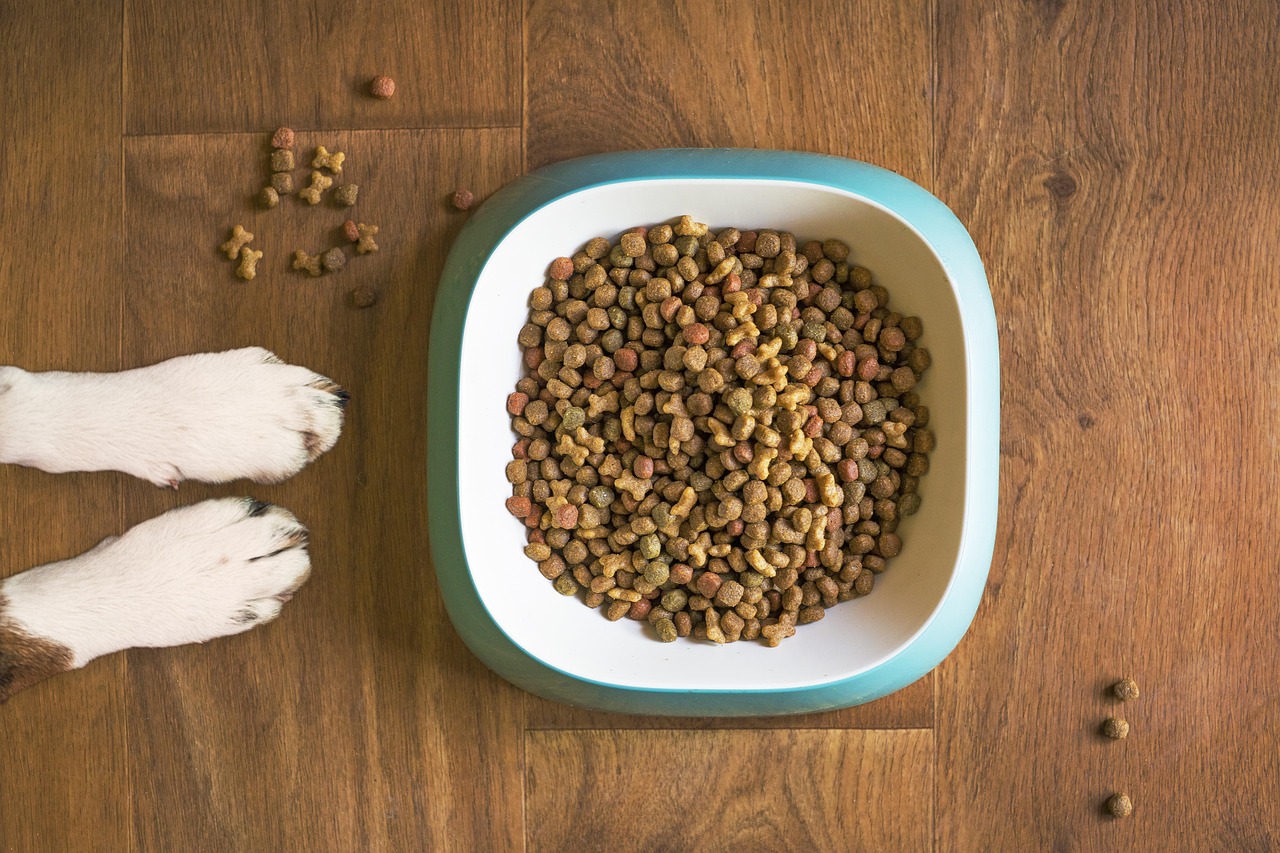

Understanding Protein Digestibility in Dog Foods
Dog nutrition is a fundamental responsibility for pet owners, impacting overall health. A primary focus within this domain is protein, an essential nutrient that supports various bodily functions. Protein sources for dogs can vary widely, including animal-based and plant-based options. Understanding the digestibility of these protein sources is essential for optimizing your dog’s diet and ensuring they receive adequate nutrition. Meat, fish, and eggs are typically high-quality protein sources. These animal-based proteins offer complete amino acid profiles necessary for growth and maintenance. Moreover, the digestibility of these proteins is generally higher than plant-based options. Plant proteins can include ingredients like soy or corn, which sometimes contain lower digestibility due to their amino acid compositions. When selecting dog food, examining the protein sources listed on labels helps identify digestibility levels. Furthermore, consulting with a veterinarian ensures that chosen proteins align with your dog’s specific health needs. Ultimately, prioritizing protein digestibility is vital in formulating an appropriate diet that promotes overall vitality and longevity. Careful attention to these details will result in happier, healthier dogs with robust immune systems.
Several factors influence protein digestibility in dog foods. One significant factor is protein quality, often determined by the amino acid profile and digestibility scores. Animal proteins usually rank higher due to their complete amino acid compositions. Measurement methods such as the biological value can help evaluate protein quality. For instance, eggs hold the highest biological value among commonly used protein sources. In contrast, while plant proteins can be less digestible, they also contribute essential nutrients and fiber. Balancing protein sources is essential when creating dog food recipes. Furthermore, processing methods impact protein digestibility. Cooking processes can denature proteins, making them more digestible by breaking down complex structures. However, over-processing can reduce nutrient quality, leading to insufficient amino acid availability. Natural, minimally processed foods typically maintain better digestibility. Moreover, some dogs may have food sensitivities affecting their ability to digest certain proteins. Identifying and adjusting to these needs may require consultations with pet nutritionists or veterinarians. Owners must be observant for signs of dietary distress, which can indicate improper protein sources and professional guidance may be warranted.
Evaluating Commercial Dog Foods
When evaluating commercial dog foods, scrutinizing protein sources is vital for responsible feeding. Pet food labels provide essential information about what proteins are included. The Association of American Feed Control Officials (AAFCO) sets guidelines for nutritional adequacy statements. Ideal dog foods should contain identifiable meat sources like “chicken” or “lamb” instead of vague descriptors like “meat by-products.” Ingredients listed higher up in the ingredient list are more prevalent, which helps assess dietary quality. Look for foods that specify the quality and source of protein, ensuring it meets the dog’s dietary requirements. Additionally, consider the sourcing and production methods since they may affect nutritional value. For owners interested in high-protein diets, whole meats or meals should be prioritized, as they offer concentrated protein content. Furthermore, consulting with veterinary professionals aids in selecting food that promotes the dog’s health. Each dog’s unique needs depend on age, breed, and activity level. One must remain well-informed about the latest developments in pet nutrition, as recommendations can change based on new research findings. Reading reviews and checking certifications can offer insights into product credibility.
As dog owners pursue optimal nutrition, understanding protein digestibility can significantly impact dietary choices. This understanding involves recognizing how ingredients like hydrolyzed protein sources function differently. Hydrolyzed proteins are often recommended for dogs with food sensitivities as they are broken down into smaller peptides. This process enhances digestibility while reducing allergic reactions. Additionally, incorporating animal-based proteins frequently leads to better nutrient absorption than plant-derived proteins. It’s essential to realize that not all proteins are created equal, and their digestibility is affected by various factors. For instance, how protein is processed can influence its bioavailability. Cooking techniques like steam cooking or extrusion may improve digestibility for many ingredients, whereas raw feeding enthusiasts often advocate for uncooked meals, claiming higher natural nutrient retention. However, raw diets require thorough research and possibly veterinary assistance to ensure they are nutritionally complete and balanced. The debate regarding raw versus cooked dog food provides a wealth of discussion among pet owners. Ultimately, making informed decisions based on protein digestibility will enhance your dog’s well-being, emphasizing the need for ongoing education in this vital area.
Raw vs Cooked Protein Sources
The debate between raw versus cooked protein sources for dogs continues to spark discussion among pet owners. Advocates for raw diets argue that cooking can destroy essential nutrients in proteins, making them less beneficial. Raw diets often consist of fresh meats, bones, and organ meats, providing dogs with what some believe is their natural dietary choice. However, raw diets must be carefully balanced to avoid nutritional deficiencies. Veterinary professionals will advise ensuring a balanced intake of vitamins and minerals. On the other hand, proponents of cooked diets cite the safety and digestibility factors. Cooking eliminates potential pathogens that can harm dogs, making cooked proteins safer. Furthermore, cooking can be seen as enhancing flavor, appealing to picky eaters. Ingredients such as eggs and fish often retain their nutritional benefits after cooking, maintaining their amino acid profiles. Additionally, fortified cooked dog foods often provide synthetically added vitamins and minerals to enhance nutritional value. Evaluating both methods warrants careful consideration of the individual dog’s health circumstances. Owners must decide on the type of protein that suits their dog’s needs based on health and lifestyle.
One increasingly popular trend is the use of novel protein sources in dog foods. These proteins include less common options such as venison, duck, or even insects, aimed at providing unique nutritional benefits. Novel proteins can benefit dogs with sensitivities or allergies to standard proteins such as chicken or beef. By introducing novel proteins, owners can reduce food sensitivity risks while offering balanced nutrition. Nutritional profiles of these alternative protein sources often contain important amino acids necessary for optimal health. Insects, for example, are high in protein and have lower environmental impacts compared to traditional livestock. As sustainability becomes a growing concern in the pet food industry, alternative protein sources gain attention for their potential environmental benefits. As this popularity grows, it’s vital to ensure that these protein sources are adequately processed. Dogs require a diverse range of nutrients for overall health, and the nutritional adequacy of these novel proteins must be guaranteed by regulatory standards. With further research and product development, consumers will find various alternative protein sources with promising nutritional potential for their pets.
Future Trends in Dog Nutrition
Looking towards the future, the field of dog nutrition is poised for exciting advancements, particularly in protein sources. Innovations in processed foods and alternative proteins are expected, including lab-grown meats offering ethical consumption solutions. These developments may provide additional options for owners concerned about animal welfare and environmental sustainability. Additionally, biotechnology plays a role in creating sustainable protein sources, possibly improving digestibility and nutritional quality. As the pet food market expands, transparency in ingredient sourcing will likely become a priority, helping consumers make informed decisions. Education on the benefits of unique protein sources will likely lead to surprising findings in dog health and wellness. Personalized nutrition tailored to a dog’s specific genetic predispositions and health needs is expected to become more common. Such advancements necessitate ongoing cooperation between pet nutritionists, food manufacturers, and regulatory bodies to continually improve safety and health standards. By understanding protein digestibility and keeping up with trends, pet owners empower themselves to provide the best nutritional care for their furry companions. As a result, our dogs will thrive in an environment that supports optimal health.
As a final note, always remember to monitor your dog’s health and behavior as changes to their diet occur. Recognizing and understanding protein digestibility is essential in ensuring wellbeing and vitality. Owners can maintain a healthy relationship with their pets, ensuring longevity through informed nutritional choices. Always seek professional guidance when adjusting your pet’s diet, ensuring substantial knowledge about protein sources and their digestibility. Regular veterinary check-ups will help track your dog’s health progression continually. Moreover, fostering a keen interest in pet nutrition builds a rewarding bond between owner and dog. This journey of understanding empowers pet owners to make the best decisions for their furry companions. A commitment to ongoing education in pet nutrition pays dividends in improved health outcomes. Ultimately, each dog presents unique needs for digestion and nutrient absorption. Together, with innovations in dog food and nutrition science, pet owners can be certain of their choices. As you navigate the diverse world of protein sources for dogs, remain open to learning to enhance your pet’s quality of life, ensuring a happy and healthy future together.