
Understanding Your Cat’s Body Language During Agility Training
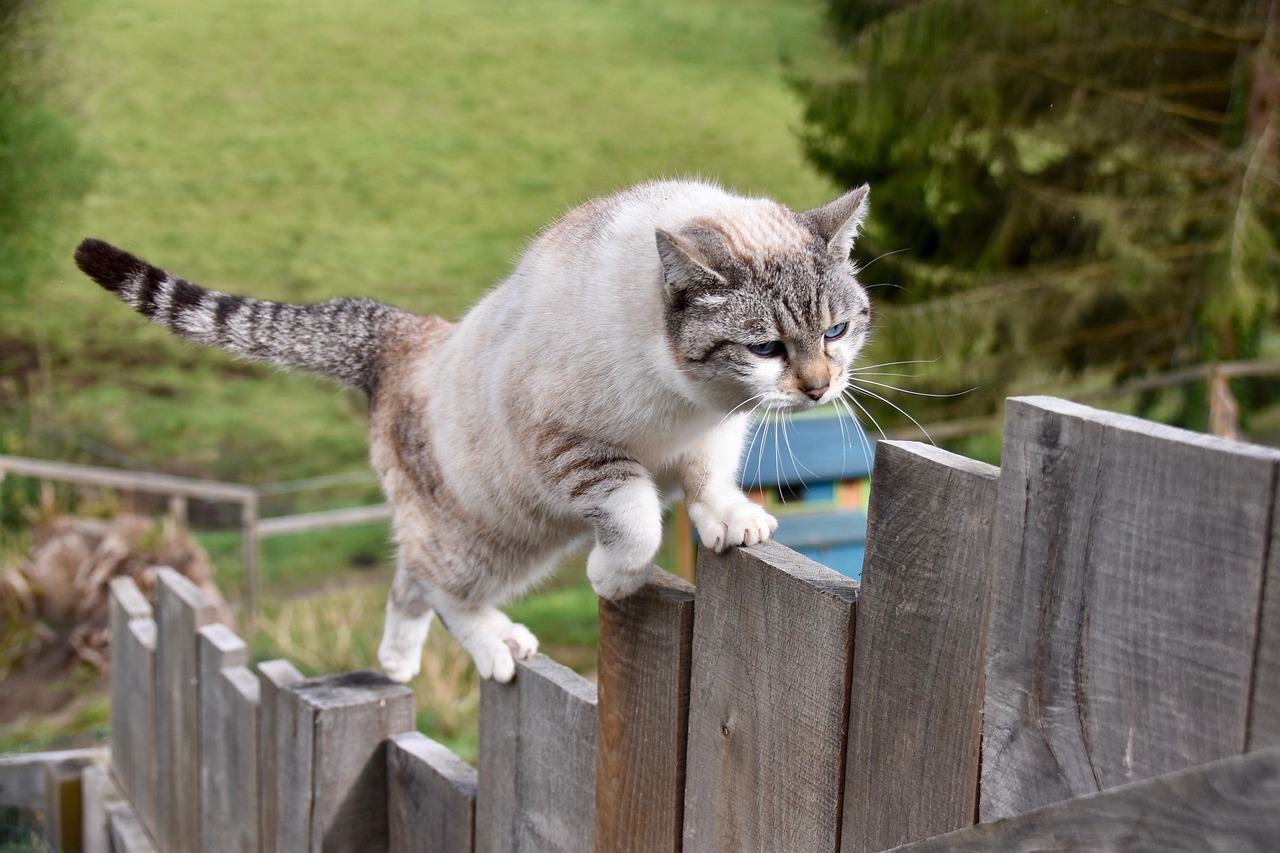
Agility training is a fun and rewarding activity for both you and your cat. However, understanding your cat’s body language is crucial to ensure their comfort and success in this sport. Cats communicate their feelings through various body signals, and recognizing these cues can enhance the training experience. For example, if your cat displays an erect tail, it usually indicates happiness and confidence. Conversely, if their tail is low or tucked, this suggests fear or uncertainty. Additionally, watch their ears; forward-facing ears signal curiosity, while ears pinned back may indicate stress or annoyance. It’s important to gauge your cat’s enthusiasm and willingness to participate during the training sessions. A cat that frequently bats at obstacles or jumps with excitement is enjoying the process. Conversely, if they are hesitant or disengaged, it may be time to reassess the training method and environment. Simplifying tasks and creating a positive space can also help your cat feel more comfortable. As you train together, always prioritize your cat’s well-being and enjoyment, as this will foster a long and fulfilling partnership in agility sports.
Every cat is unique, and their individual personalities may influence their body language during agility training. Therefore, it’s imperative to build a good rapport with your cat before beginning the training sessions. Frequent play sessions outside the agility equipment can establish trust and make your cat more comfortable with you. Observe how your cat reacts to various stimuli and situations as you progress. If they exhibit a tendency to swat or back away from the equipment, gently encourage them with their favorite treats or toys, gradually desensitizing them. Always remember that patience, consistency, and positive reinforcement are key elements in adapting your training approach. Provide encouragement by using a calm voice and gentle touches to boost their confidence. Consider incorporating short breaks during training to prevent your cat from feeling overwhelmed. Cats, unlike dogs, may require additional time to adapt to new challenges. Additionally, you can evaluate and celebrate small achievements to motivate your feline friend further. Pay attention to the rhythm of your cat, adjusting the session lengths according to their comfort level. Agility training should not feel like a chore; if done right, it becomes a delightful game for both of you.
Common Body Language Signals to Watch For
When observing your cat in an agility training environment, it’s important to interpret their body language accurately. Certain movements can reveal their emotional state and willingness to engage in exercises. One common signal is the dilation of their pupils. If your cat’s pupils appear large, it may either indicate excitement or fear; a careful observation of other body signals is necessary to gain the complete context. Additionally, when your cat crouches low before an obstacle, it often indicates they are assessing a situation cautiously. Cats may also perform “kill bites” on toys or obstacles, signifying overwhelming excitement or motivation to play. When they knead with their paws, this displays comfort and happiness in their surroundings. On the other hand, persistent licking of their lips could indicate anxiety or stress. Monitor their breathing rate as well; rapid breaths may also signal discomfort. Making adjustments to your training technique based on these observations can lead to a greater understanding and improved performance. Always ensure a safe environment, and prioritize your cat’s mental and emotional health during training activities to maximize their agility skills.
Consistent monitoring of your cat’s behavior while training can significantly impact the effectiveness of agility training. Recognizing when your cat appears fatigued or frustrated is crucial in maintaining a positive training atmosphere. If they show signs of disinterest, such as looking away or lying down rather than exploring obstacles, take a step back and offer them some downtime. Alternately, introducing a fun game between training tasks can rejuvenate their energy and keep their enthusiasm high. Also, ensuring frequent breaks provides your cat with opportunities to process their surroundings and prevents stress-related reactions. If they demonstrate revealing body language, like a tail flick or a sudden retreat, consider changing the approach or allowing them to walk away. Remember that agility training should be enjoyable and not a source of pressure. Understanding your cat’s comfort zone will help you tailor experiences that both challenge them and offer positive reinforcement. A happy cat is a more engaged learner. Make observations part of your training practice to build a solid connection and encourage their natural instincts in agility training. With a little adaptation and understanding, training can lead to joyful accomplishments.
The Importance of Positive Reinforcement
Utilizing positive reinforcement during agility training can greatly enhance your cat’s learning experience. Rewarding good behavior and encouraging their efforts builds trust and security. When your cat successfully navigates an obstacle or responds to a command, instantly praise them with verbal affirmations or treats. This method reinforces desirable behavior and motivates your cat to perform the tasks with even more enthusiasm. Cats typically respond better to positive reinforcement rather than punishment. It’s essential to maintain a supportive environment that encourages exploration and interaction rather than focusing solely on the completion of tasks. Celebrate even the smallest victories in agility training, reinforcing the joy of progressing together. When your cat realizes that their efforts lead to rewards, they become more willing to explore new challenges. Moreover, try to vary the rewards offered to maintain their interest and prolong motivation. Create a list of tempting rewards ranging from favorite treats to preferred toys and engage during training. Remember to adapt your techniques based on your cat’s perception of success. The focus should always be on the journey and building your relationship. Create lasting memories and mutual respect through understanding and supportive training mechanisms.
Training sessions can have varied lengths, and finding the optimal duration is essential for keeping your cat engaged. Short, frequent sessions are often more effective than longer, drawn-out periods of training, as cats may easily become distracted or disinterested. Aim for sessions lasting about five to ten minutes, tailoring activities accordingly. To determine the ideal length, observe your cat’s behavior and responses closely. If they gain attention during short bursts of play, prioritize shorter sessions that allow for frequent breaks and adjust as necessary. Keep in mind that every training session is a building block towards improved skills, but quality always trumps quantity. Being engaged and attentive during these moments will strengthen their learning experiences and reinforce positive behavior while preventing frustration. If your cat becomes overly tense or anxious, it may indicate that it’s time for a break. Rely on what you know about your individual cat and listen to their needs. Lean into the notion that agility training is a collaborative effort; your goal is to harmonize your expectations with their comfort levels as they grow and gain new skills.
Creating a Supportive Environment
Your cat’s environment plays a pivotal role during agility training. Cats thrive in spaces that feel safe and inviting. A cluttered or loud space may overwhelm them, making it hard to focus. Start by selecting a training area that is free from distractions, ensuring it is well-lit and spacious enough for your cat to maneuver. Incorporating familiar elements, like their favorite toys or bedding, can help provide comfort. Gradually introduce agility equipment while allowing your cat to familiarize themselves with it at their own pace. This not only ignites curiosity but builds a sense of control over their environment. Utilize gradual exposure strategies to help your cat adapt; for instance, begin with a single obstacle before gradually adding more complexity. Positive associations will emerge when your cat feels comfortable with the equipment. Always observe their reactions, and if you detect discomfort approaching, take a step back and reassess the situation. Building a supportive atmosphere will encourage adventurous exploration in agility training, allowing them to express their capabilities freely. Ultimately, a well-designed environment can be the foundation for effective agility training.
In Conclusion, understanding your cat’s body language is crucial for effective agility training. By recognizing signs of comfort or distress, you can create a positive and engaging experience for your cat. Remember that every cat is unique, and it’s essential to tailor your approach to their specific needs and personality. Maintain a focus on positive reinforcement and adapt the training sessions to suit their energy levels. Always ensure that training is fun and enjoyable, as this strengthens the bond between you and your feline companion. Celebrate achievements, no matter how small, and continue to foster an environment where your cat feels safe and confident. The ultimate goal is to nurture a harmonious relationship that allows both of you to enjoy the agility training journey together. With careful attention to their body language, you will enhance not only their skills but also their overall well-being. Therefore, prioritize patience, understanding, and encouragement as keys to success in agility sports. With this approach, both you and your cat will thrive in your agility training endeavors, creating lasting memories together.