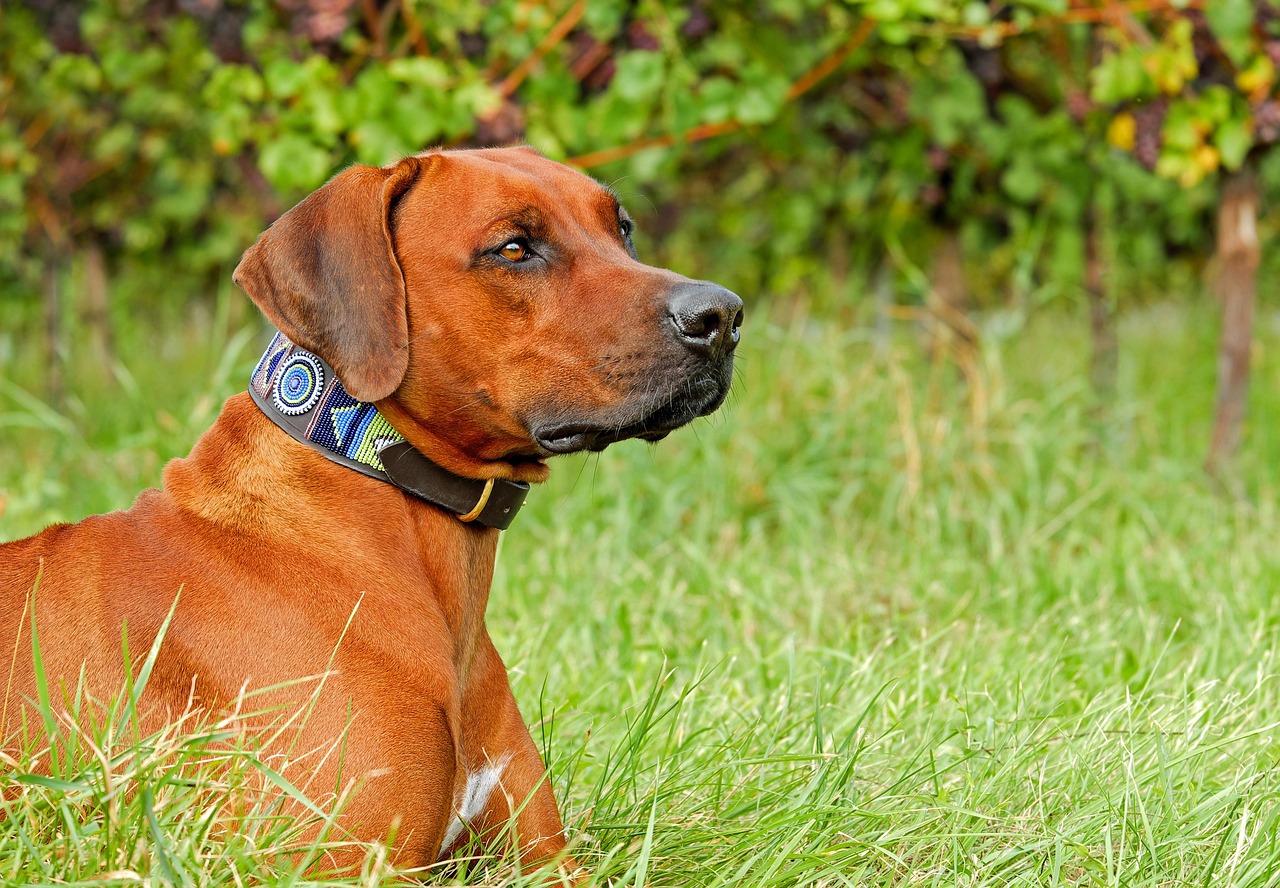

Adopting a Rhodesian Ridgeback: What to Consider
Choosing to adopt a Rhodesian Ridgeback can be a rewarding experience. These dogs are known for their loyalty, intelligence, and unique appearance. Before proceeding, it is crucial to research the breed thoroughly. Understanding the temperament of a Ridgeback helps ensure compatibility with your lifestyle and home environment. They are affectionate and protective, making them excellent family pets. However, their strong-willed nature demands consistent training and socialization from an early age. It’s understood that Rhodesian Ridgebacks require a significant amount of exercise. Regular physical activity is essential for maintaining their health and preventing behavioral issues. Potential adopters should be prepared for daily walks and playtime. Additionally, these dogs have a deep-rooted prey drive, which means supervision during outdoor activities is even more important. With proper training and socialization early on, Ridgebacks could thrive in varying environments. Furthermore, they can adapt to both urban and rural settings. Consider your living situation, including the space available for them to explore. Thus, adopting a dog is a long-term commitment, and understanding their needs ensures that you can provide a loving, fulfilling environment.
Before adopting a Rhodesian Ridgeback, consider their health considerations. Like all breeds, Ridgebacks can be predisposed to certain health issues. Common concerns include hip dysplasia, skin conditions, and certain cancers. It’s essential to ensure you work with a reputable breeder or rescue organization that provides necessary health checks. Regular vet visits are critical for ensuring a happy, healthy dog. Moreover, understanding your dog’s dietary needs will significantly impact their quality of life. Rhodesian Ridgebacks require a balanced diet rich in protein, carbohydrates, vitamins, and minerals. Consult with your veterinarian to determine the best food for your dog based on their age, weight, and activity level. Additionally, obesity is a common issue among dogs, which can lead to various health challenges. Providing appropriate portions and avoiding excessive treats ensures they maintain a healthy weight. Equally important is the importance you give to dental care. Bad dental hygiene can lead to severe health complications. Consider implementing a regular dental care routine that includes brushing, gel applications, or dental chews to keep your Ridgeback’s mouth healthy. Start with regular check-ups and monitor their eating habits closely. Awareness is crucial for preventive care!
Training and Socialization
Training and socializing a Rhodesian Ridgeback are paramount for a well-rounded dog. Being an independent breed, Ridgebacks can show stubbornness during training sessions, making the process a challenge. Employing positive reinforcement techniques is essential for success. Techniques such as treats, praise, or playtime, can motivate them. Basic obedience training should start as early as possible, teaching commands like sit, stay, and come. It’s also advisable to enroll in puppy classes, where Ridgebacks can socialize with other dogs and people. This exposure is crucial for their development and helps them become well-adjusted adults. These classes also provide an opportunity for owners to learn effective training techniques. Additionally, practicing leash manners during walks fosters proper behavior in public. Incorporating outdoor activities like agility training can also channel their energy positively. Consistent training sessions, lasting only around fifteen minutes, can keep Ridgebacks engaged without overwhelming them. Training should be a fun bonding activity, not just a task. Fostering their intelligence and curiosity plays a significant role in enhancing their behaviors. Remember, the objective is to encourage positive habits, paving the way for a respectful bond between the owner and dog.
Living arrangements significantly influence the success of a Ridgeback adoption. These dogs thrive in environments that offer plenty of space and mental stimulation. A home with a secure yard allows them to roam and explore freely. However, if you live in an apartment, adequate exercise and mental challenges become even more essential. Providing daily walks and playtime can adequately meet their needs. When determining living arrangements, consider their exercise needs as well. Their energy levels demand a considerable commitment in terms of activity. Engaging in activities as simple as fetch or agility training can keep them physically fit while providing mental stimulation. Additionally, satisfying their need for exploration is important. Taking them on various walks or hikes can help prevent boredom and promote well-being. Furthermore, it’s crucial to establish boundaries within your living space. Providing a specific area for them to relax will encourage comfort and a sense of security. A cozy bed or crate can serve as their personal space, allowing them to retreat when needed. Thus, adapting your home leads to a fulfilling life for both you and your Rhodesian Ridgeback.
Costs of Ownership
Understanding the costs associated with adopting a Rhodesian Ridgeback is crucial before proceeding. Owning a dog involves several ongoing expenses, and it’s essential to be realistic about these commitments. Initial costs may include adoption fees, vaccinations, spaying/neutering, and a basic supply of food and bedding. It’s important to ensure you budget for these upfront costs. Furthermore, consider long-term expenses such as regular veterinary check-ups, food, grooming, and any training classes. Depending on the specific needs of your Ridgeback, you may also need specialized diets or medication, adding to your expenses. Dog ownership often requires investment in quality supplies like leashes, toys, and bedding. Moreover, grooming needs can vary, and while Ridgebacks have a short coat, maintaining its health is crucial. Routine brushing and occasional baths will help minimize shedding. Think about dog insurance to cover unexpected medical expenses, ensuring your furry friend remains healthy. Planning for unforeseen circumstances is vital. By budgeting wisely, you can ensure a happy, healthy life for your Rhodesian Ridgeback without financial stress. Thorough financial planning will lead to a rewarding experience!
Another aspect to consider when adopting a Rhodesian Ridgeback is their compatibility with children and other pets. Ridgebacks are generally friendly and can be great family companions when properly socialized. However, they maintain a strong prey drive, meaning that they might pose challenges if you have smaller pets, such as cats or rodents, in the household. Ensuring introductions are conducted gradually and under supervision can help mitigate risks. In homes with children, educating them on how to interact with dogs is paramount. Teaching respectful interaction ensures that both kids and the dog feel safe. Supervision during playtime is necessary to build trust and confidence between the dog and kids. Furthermore, consider your future plans when adopting. If you anticipate significant life changes such as moving or increasing family members, those can impact your dog. Rhodisian Ridgebacks require stability and a consistent routine for their emotional well-being. The better prepared you are for these dynamics, the smoother the transition will be for everyone involved. Building a supportive environment leads to a harmonious household where they can thrive alongside all family members!
Conclusion
Ultimately, adopting a Rhodesian Ridgeback requires careful thought and preparation. The needs and challenges associated with the breed are significant, but the rewards can be equally impressive. If you are ready to commit to their exercise, training, and health needs, a Ridgeback can become a loving companion. Their noble demeanor and affectionate nature will enrich your daily life. Remember that every dog is unique, and patience will be your best ally in overcoming initial hurdles. Developing a strong bond with a Ridgeback can take time, but engaging in activities together fosters that connection. Whether enjoying outdoor adventures or quiet moments at home, each experience creates lasting memories. Keep in mind the additional responsibilities of dog ownership and embrace them without hesitation. Adopting a dog is a lifestyle choice that significantly impacts your life. Show them love and acceptance; your Ridgeback will thrive in a nurturing environment. Most importantly, remember that every effort you invest in training, exercises, and care will benefit your dog. Adopt responsibly, and you’ll enjoy a fulfilling life filled with joy, loyalty, and companionship.
In conclusion, adopting a Rhodesian Ridgeback can be a life-changing experience, bringing love and joy to your home. While understanding their unique needs and characteristics is essential, the rewards of having one as a companion far outweigh the challenges. Ensure you provide a stable and loving environment for the dog, promoting a bond that grows with time. Embrace their unique personality and quirks, and watch them thrive in your care. From dedicated exercise regimens to proper grooming and health management, each aspect contributes to your Ridgeback’s well-being. Be prepared for ongoing learning about dog behavior and needs as this journey unfolds. Engage in community activities and meet other Ridgeback owners to share experiences and tips. This can prove beneficial for both you and your dog. Educating yourself continuously ensures you’re well-equipped to address any issues that arise. As you embark on this rewarding journey, remember that your efforts directly influence your dog’s happiness and quality of life. By being a responsible and informed owner, you can enjoy countless fulfilling moments alongside your beloved Ridgeback.